


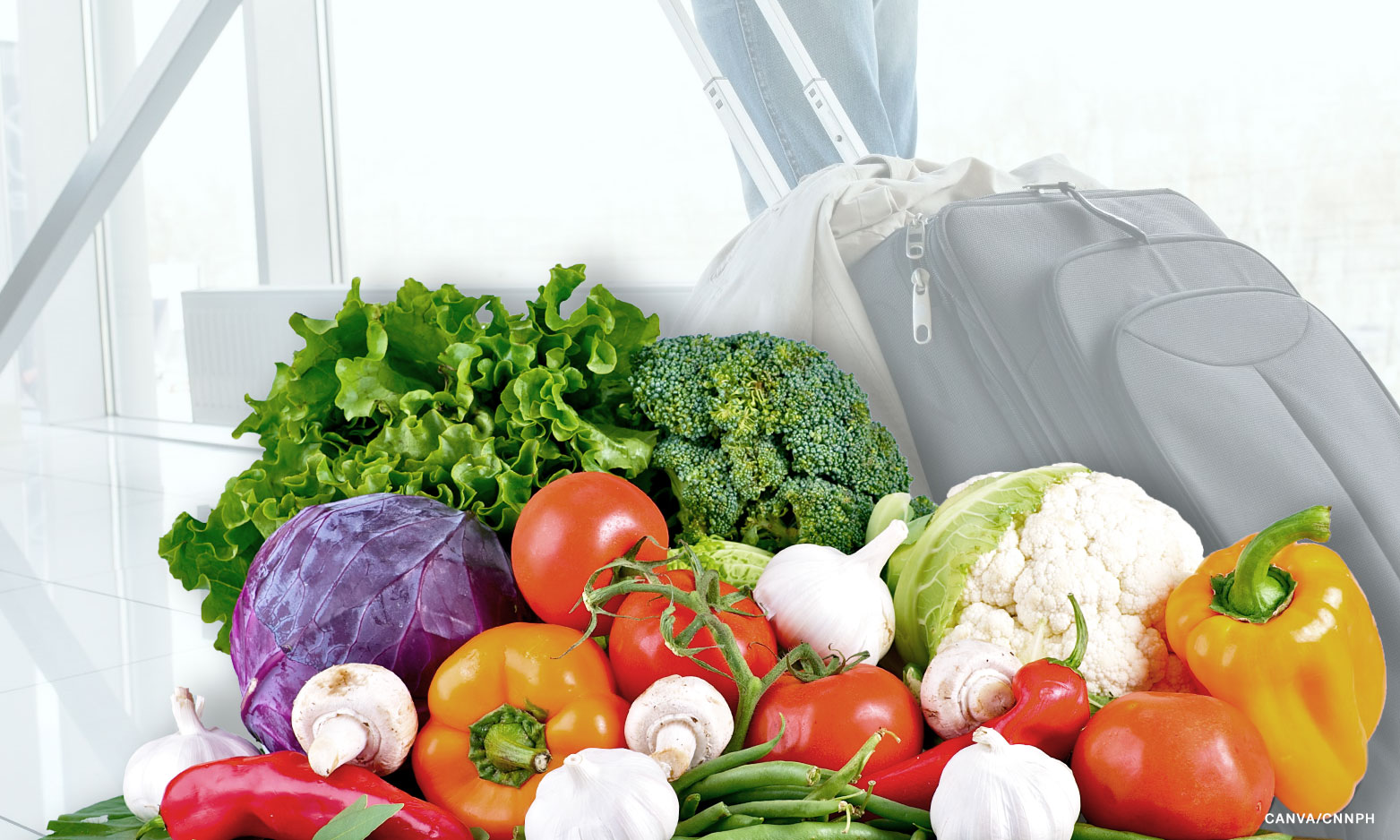


Metro Manila (CNN Philippines, January 18) — The Bureau of Customs (BOC) on Wednesday said the case of 10 Philippine Airlines (PAL) flight attendants who tried to sneak in several agricultural products is not isolated.
‘
“Maging sa mga ordinaryong pasahero sa ating mga bayaning OFWs (overseas Filipino workers), sila po ay may nakikita sa kanilang bagahe na mga hindi lang meat products and also mga prutas at malilit na halaman. Kung ito ay walang permiso or clearance from port of entry na kung saan sila nanggaling, ito ay kinukumpiska,” BOC spokesperson Arnaldo dela Torre Jr. told CNN Philippines’ The Source.
‘
[Translation: Even from ordinary passengers and OFWs, authorities find in their luggage not only meat products, but also fruits and small plants. If these do not have permission or clearance from port of entry from where they came from, these will be confiscated.]
‘
Dela Torre said the incident with PAL personnel occurred on Jan. 10 when the airlines’ personnel were caught with agricultural products inside their luggage. When the staff were asked to fill out their declaration form, they did not specify there that they have agricultural commodities in their luggage.
‘
The official said no cases will be filed against the PAL personnel since the Plant Quarantine Decree of 1978 only imposes penalties on violators. Under this, authorities are allowed to confiscate any undeclared commodity that may harm the country’s agricultural industry.
‘
He noted this is different from the cases they filed under the Anti-Agricultural Smuggling Act of 2016. This declares large-scale smuggling, with amount ranging from P1 million to P10 million, as economic sabotage.
‘
Dela Torre clarified that bringing in agricultural products is not totally banned, but there is a maximum allowable amount, as stated by the decree.
‘
In order to bring in agricultural products from other countries, travelers must secure necessary permits from the Bureau of Plant Industry and a sanitary and phytosanitary permit from the country of origin, he noted.
‘ ’17’: ‘contentWidth’: ‘100%’ ’embedCode’: ‘