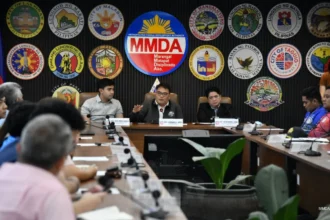
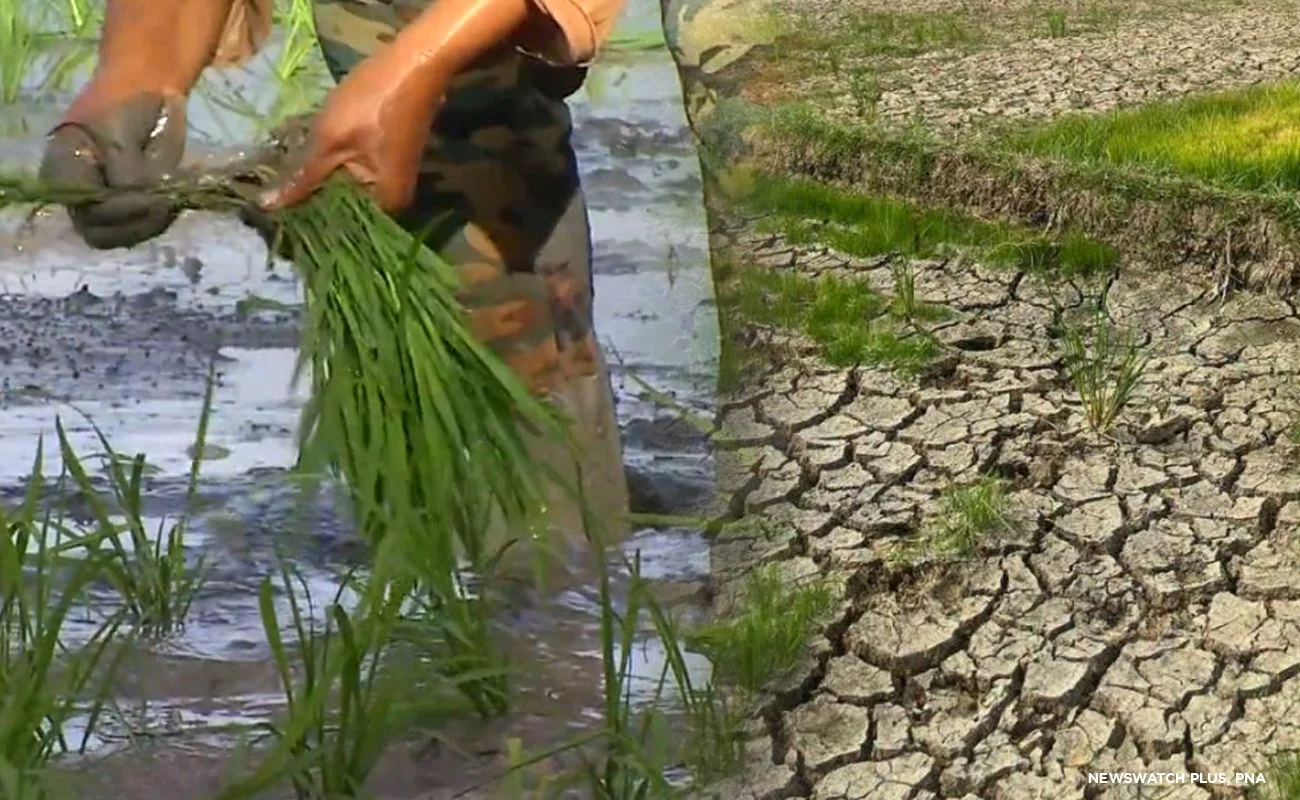


Metro Manila, Philippines – The looming Super El Niño could cut rice production by at least 700,000 metric tons next year, the Department of Agriculture (DA) warned, while the Department of Social Welfare and Development (DSWD) cautioned that funding constraints could hamper aid to families.
Agriculture Secretary Francisco Tiu Laurel Jr. told a Senate budget hearing on Wednesday, Oct. 21, that the country could potentially lose at least 700,000 metric tons of rice in a worst-case scenario. This would be on top of the 163,000-metric ton losses as of last month.
“We would need an additional 863,000 tons of rice para ma-ensure na may bigas tayo through this El Niño plus strategic buffer stocks pa na kailangan,” Tiu Laurel said.
[Translation: We would need an additional 863,000 tons of rice to ensure that we have enough supply throughout El Niño, including the strategic buffer stocks we need.]
The DA said it expects the weather phenomenon to peak between January and April. It added that it is accelerating solar-powered irrigation projects and exploring other mitigating measures to protect farms and fisheries.
Tiu Laurel also said the agency needs more funding for solar irrigation, fertilizer assistance, and small water impounding projects. He said the DA’s proposed 2027 budget lacked ₱271 million for cloud seeding.
Meanwhile, Social Welfare Secretary Rex Gatchalian said in a separate hearing that his agency’s funding constraints next year could curtail the government’s capacity to help families in what senators described as a “triple whammy” next year: Super El Niño, rising oil prices, and the fallout from the Middle East conflict.
Gatchalian asked senators to restore the Assistance to Individuals in Crisis Situations (AICS) budget to at least ₱63 billion, citing the program’s role in providing emergency aid.
He said the department used nearly ₱10 billion in one month to help transport workers at the height of the energy emergency.
“It became our lifeline,” he said, adding, “Nangangamba kami na yung natira na AICS ay maaaring di sasapat na sana ibalik manlang to the minimum sa GAA level.”
[Translation: We are concerned that the remaining AICS budget may not be enough, so we hope it can at least be restored to the minimum level provided in the General Appropriations Act.]
The Cabinet official further said insufficient disaster funds could impact emergency cash transfers, food packs and logistics for relief operations.
Senate President Win Gatchalian flagged the proposed reduction in the National Disaster Risk Reduction and Management Fund, which helps replenish quick response funds.
He said the government must prepare for the next six to 12 months, when drought and rising prices could make it harder for farmers, fisherfolk and low-income families to earn and afford basic needs.
Sec. Gatchalian said the DSWD had begun emergency cash transfers in parts of Cagayan, Isabela, and Camarines Norte, subject to declarations of a state of calamity due to the severe dry spell.
The DSWD and its attached and supervised agencies have a House-approved 2027 budget of ₱262.757 billion, while the DA and its attached agencies have a proposed allocation of ₱182.47 billion.