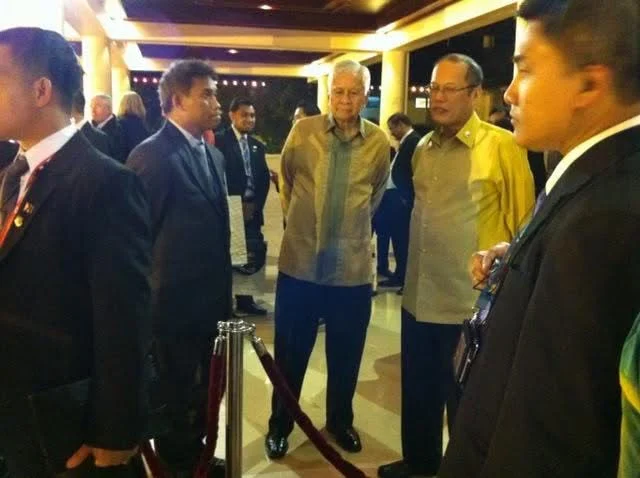


Metro Manila, Philippines – It was during a gala dinner on the sidelines of the 2012 ASEAN Summit in Phnom Penh, Cambodia, after China’s rejection of the Philippines’ proposal for a peaceful settlement of the South China Sea dispute, that then-President Benigno Aquino III decided Manila should begin preparing its landmark arbitration case, said former ambassador Henry Bensurto.
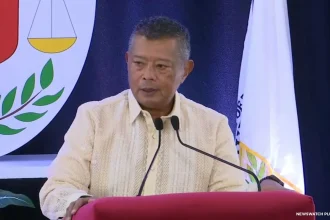
In an interview with NewsWatch Plus, Bensurto, one of the architects of the Philippines’ legal strategy, said Aquino called him and then-Foreign Affairs Secretary Albert del Rosario aside after the event and concluded that Beijing would not agree to the Philippine proposal to resolve the dispute through international adjudication.
“The president gathered me and Secretary del Rosario after, I think it was a gala dinner, and then told us, ‘Secretary, Henry, I think China will not agree with us. So we need to start working on filing a case,'” Bensurto recalled. “He gave us the marching orders, essentially.”
Bensurto said the directive marked the turning point after months of failed diplomatic efforts following the Scarborough Shoal standoff. He said the government had been quietly studying arbitration as a last resort while pursuing bilateral and regional negotiations.
“We tried to resolve it bilaterally, then multilaterally,” Bensurto said. “China did not honor its commitment for a mutual pullout. This was something that was very hard on the secretary and the president and kind of galvanized the resolve that we have to look at other options.”
He said Aquino’s instruction immediately set preparations in motion, including the drafting of the notice of arbitration, coordination with lead counsel Paul Reichler and preparations to formally notify China.
Bensurto said officials also moved quickly because they feared news of the filing could leak before it was submitted.
“There was a concern that there may be a leak and if there’s a leak, there was a concern that they may file a withdrawal from UNCLOS,” he said, referring to the United Nations Convention on the Law of the Sea. “The decision to do this must be taken with a lot of care, with a lot of urgency, but prudently.”
Cabinet meeting
According to Bensurto, Aquino insisted the decision should not rest on the president alone and sought the backing of the entire government before proceeding.
“He thought that he could not make that decision entirely by himself,” Bensurto said. “He understood that for this decision to be good and lasting, it needs the support of the Cabinet.”
Aquino later convened the full Cabinet, along with former Presidents Fidel Ramos and Joseph Estrada, before giving final approval to file the case. Bensurto said government agencies were ready to move as soon as the decision was made, with diplomatic notifications prepared for China and instructions sent to Reichler’s legal team to initiate arbitration proceedings.
Bensurto said the moment capped years of legal work and left him emotional.
“I was a little teary-eyed because finally, we will stand up for our rights,” he said
“Finally, we’re not going to back down. Finally, we will do what is right with a lot of sincerity, with a lot of commitment, with a lot of resolve,” he added.
The Philippines marked 10 years of the landmark ruling invalidating China’s historic claims in the entire South China Sea.