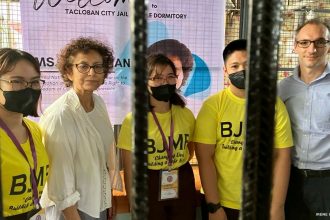
Metro Manila (CNN Philippines) — Department of Social Welfare and Development Sec. Corazon “Dinky” Soliman hopes the administration’s poverty alleviation measure will be institutionalized before the end of President Benigno Aquino III’s term.
According to Soliman, this is the best way to ensure that gains reached through the Conditional Cash Transfer (CCT) program will be sustained beyond 2016.
“Sana maging batas ang CCT. Kasi sa karanasan ng Mexico at Brazil meron talagang mga batas na ipinaloob. [Ang] elemento kung paano naging matagumpay pangunahin diyan kung paano pinipili ang beneficiaries,” she said.
She added that there are pending bills in Congress seeking to institutionalize the CCT program and is confident there is enough time to pass such measure before Aquino steps down.
From 2010 to the first half of 2015, the administration has expanded the coverage of the program from less than a million to about 4.4 million households.
But this is only the beginning, Soliman said, as six years is not enough time to help beneficiaries stay above the poverty line.
The department is looking to register more households in the program in the next year, particularly those living in areas affected by Super Typhoon Yolanda and the Zamboanga siege.
Soliman said the effectiveness of the CCT program, which was introduced in 2008 during the presidency of Gloria Macapagal-Arroyo, can be seen in numbers — 94% of children beneficiaries attend their classes. Some 300,000 kids have graduated high school through the program last March 2015.
Soliman said the program also increased the access of mothers and children to health care services, as one of the conditions in receiving cash grants is to have regular check-ups.
The DSWD also belied fears that the CCT program leads to dependency or decreased work effort among adults in beneficiary households.
Soliman said studies show most working age members in beneficiary households are employed and continue to look for additional work.