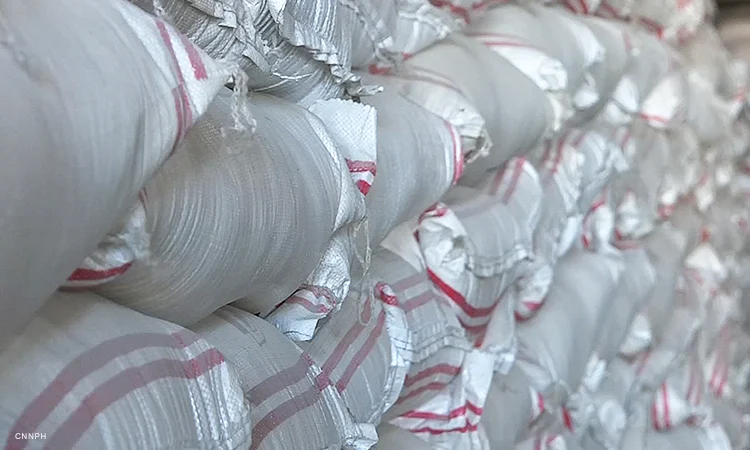


Metro Manila (CNN Philippines, September 11) — Imported rice could soon enter Philippine borders tariff-free — albeit temporarily — under a proposal crafted by the Department of Finance (DOF), the approval of which will be timed when Congress adjourns session next month.
Finance Secretary Ben Diokno said a zero tariff on rice imports dovetails with efforts to boost supply of the grain at a lower cost. “The DOF is proposing to reduce the 35% rice import tariff rates, both ASEAN and MFN [most-favored nations] rates, temporarily to 0 percent or maximum of 10 percent to arrest the surge in rice prices,” Diokno said in a press briefing on Friday.The proposal comes a week after Malacañang announced a P41-per-kilo price cap on rice sold in the wet market and retail stores.Diokno explained rice price ceiling “serves as a short-term measure against non-competitive practices by some market players,” adding that more have “misbehaved” this time compared to the 2018 episode when there was also speculative play on the price of the grain.The Marcos administration could reconsider the policy for possible lifting come harvest season and when the Philippines takes delivery of rice imports, the DOF chief said.Asked on whether the cuts in rice tariffs to zero will be gradual, the Finance chief said: “I don’t go for gradual. Hindi necessarily bad ang drastic (drastic is not necessarily bad).”“The biggest contributor sa inflation is rice,” he pointed out.Consumer prices rose at a faster pace of 5.3% in August from 4.7% in July, driven mainly by food, restaurants, accommodation, water, electricity, gas and fuels. Food inflation alone accelerated to 8.2% last month from July’s 6.3%. Food has the biggest contribution accounting for 53.2% of overall inflation.An executive order by President Ferdinand Marcos Jr. will likely pave the way for the temporary removal of the tariff on imported rice.Section 1608 of Republic Act No. 10863, or the Customs Modernization and Tariff Act, gives the president the power to “increase, reduce, or remove existing rates of import duty including any necessary change in classification.”The provision states, however, that this power of the president can be exercised “only when Congress is not in session.”Under the legislative calendar, Congress will adjourn on Sept. 30 and will resume session on Nov. 6.