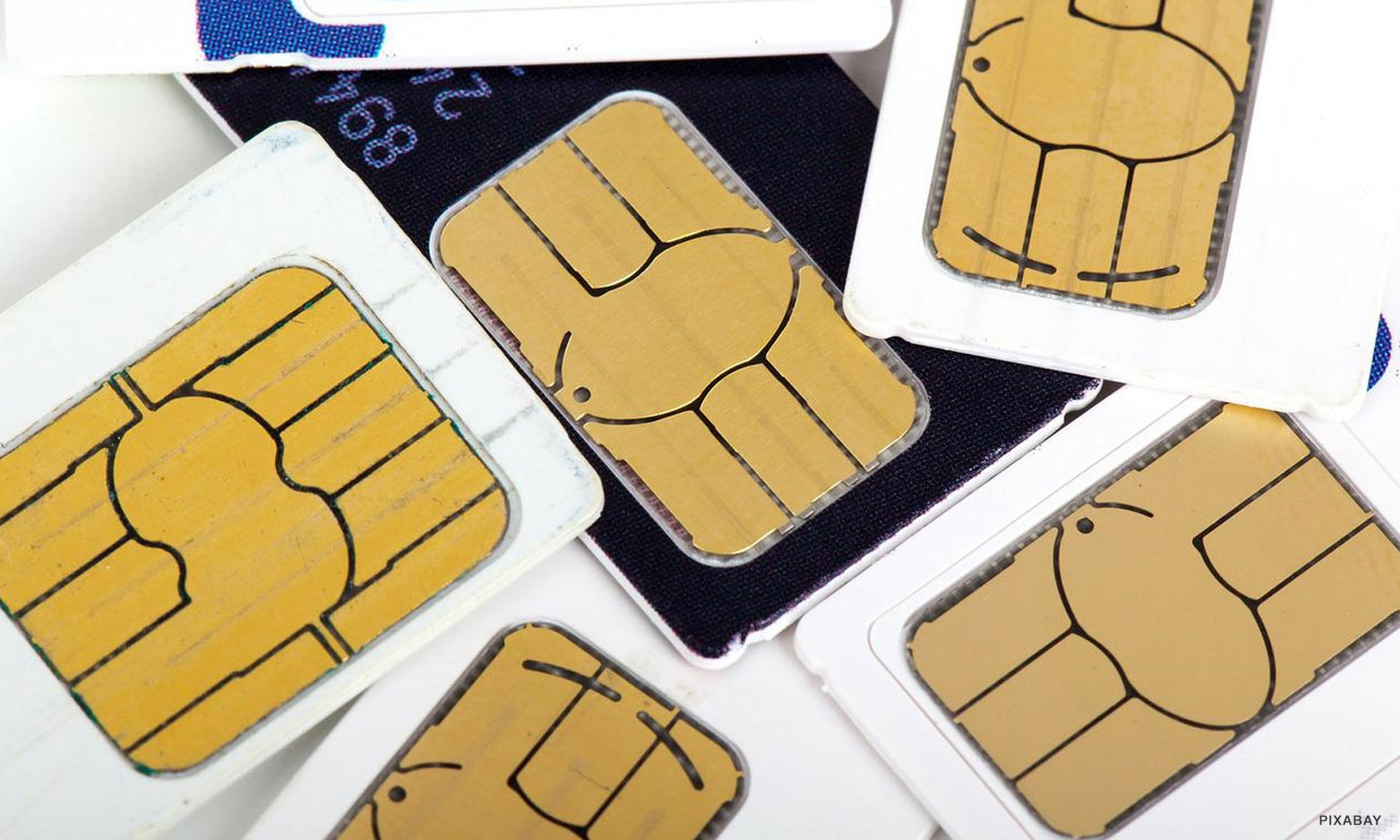


Metro Manila (CNN Philippines, April 21) — A telecommunications company on Friday called on the government to extend the SIM (subscriber identification module) registration period for 120 days to make sure that all its subscribers will be compliant.
Speaking to CNN Philippines’ The Source, Cathy Yang, first vice president and group head for corporate communications of PLDT and Smart, said around 55.8% or more than 37 million of Smart and TNT subscribers have complied with the law since the registration began on Dec. 27.
“We are asking for another 120 days from after April 26 to allow the 44% prepaid and postpaid subscribers to get to register their SIMs,” she said.
The implementing rules and regulations of the SIM Registration Act states that users have 180 days to register from its effectivity, but the DICT may extend this for a period not exceeding 120 days.
If granted, Yang said the telco may be able to fast track the process as it observed an increase in registrations since April 1. From 200,000 to 300,000 daily, the company has so far logged as high as 450,000 registrations in a day, she noted.
In case the extension request is denied, Yang warned that at least 44% of Smart and TNT users will have their SIM deactivated. Losing access to connectivity and services that require a mobile number is against the spirit of financial and social inclusion, she added.
Information and Communications Technology Secretary Ivan Uy said the agency will meet with telcos and other stakeholders on April 24 to discuss all matters related to the SIM registration.
Yang said among the issues the telco is facing is the requirement to use a government-issued ID, which many subscribers have no access to.
“If we can simplify it for the subscribers, that’s going to be a big help,” she said.
Based on the study they conducted, Yang explained that SIM registration in other countries has been effective because their national ID system was already in place. Their governments also allocated up to two years for the public to comply, she pointed out.
“One to two years would be a better timeframe in which to disseminate this education and awareness campaign that we’ve done in just less than 121 days,” she added.