


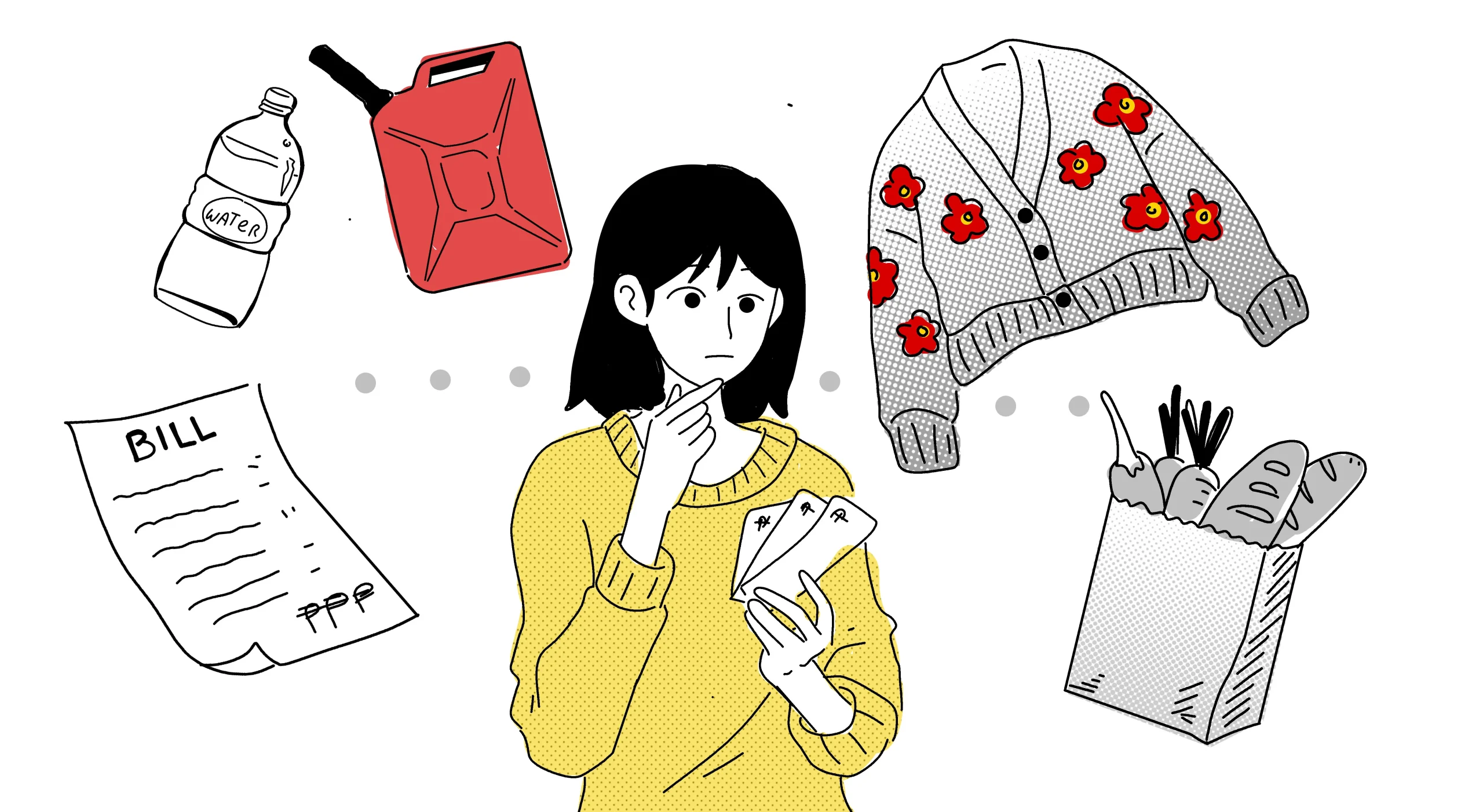


Money stretches differently these days. Groceries take up more space in your budget, bills feel heavier, and saving often gets pushed to “next month.” It’s not just a feeling either. A recent study on Filipino financial readiness, based on research by NielsenIQ for EastWest Ageas, shows that many Filipinos are working with limited emergency savings while costs continue to rise.
It sounds familiar because it is. The difference now is being more intentional about how you respond to it.
1. Start with one month, not three
Only about 20% of Filipinos have enough savings to last beyond three months. That number can feel intimidating if you’re starting from scratch.
A more realistic approach is to aim for one month of essential expenses first. Rent, groceries, utilities. Once that’s in place, you can build from there. It feels more achievable, and you’re already in a better position than before.
2. Don’t let one hospital bill undo everything
The study shows that 8 out of 10 Filipinos use personal savings to pay for medical expenses. That’s where most emergency funds disappear.
Even a small, separate fund for health-related costs can help protect the rest of your savings. If you can, look into basic coverage options that fit your budget so you’re not relying on cash alone.
3. Stop waiting for “extra” money to save
On average, only about 7% of income goes into savings or financial planning. It’s not surprising when most of your salary is already spoken for.
Instead of waiting for leftover money, set aside a fixed amount as soon as you get paid. It doesn’t have to be big. What matters is that it happens regularly.
4. Accept that your budget needs updating
With inflation at 4.1%, prices have quietly gone up across the board. Groceries cost more, bills feel heavier, and what worked last year may not work now.
Take a look at your current spending and adjust where needed. Even small tweaks can free up a bit of room for savings or protection without completely changing your lifestyle.
5. Keep your financial plan simple enough to stick to
Most people already know financial protection matters, but many still put it off because it feels complicated or expensive.
It helps to start with something straightforward. A plan that fits your budget and is easy to maintain is more useful than something ideal that you can’t sustain long-term.
Where this leaves you
There’s no perfect way to do this, especially right now. But staying prepared doesn’t have to mean doing everything at once. It can be as simple as building one layer at a time and making sure each one holds.
If you’re figuring out your next step, it may be worth exploring options from providers like EastWest Ageas or speaking with a financial advisor who can help you map things out based on what you actually need.
At the end of the day, the goal is simple: to make sure that when something unexpected comes up, you’re not starting from zero.