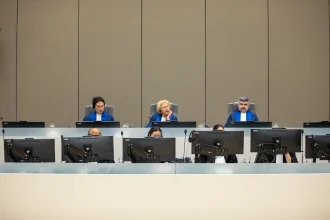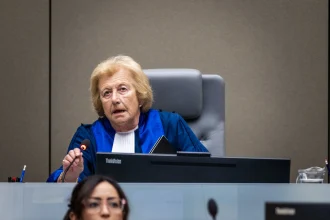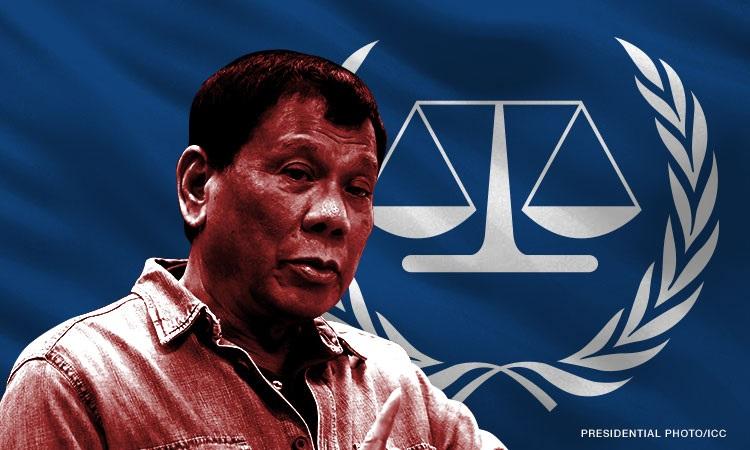


Metro Manila, Philippines – The International Criminal Court’s Appeals Chamber will decide Wednesday, April 22, whether it retains jurisdiction over former President Rodrigo Duterte in a ruling that could shape the future of the case and set a precedent for other countries.
The decision will determine whether the ICC can continue prosecuting Duterte for alleged crimes against humanity linked to his administration’s war on drugs, despite the Philippines’ withdrawal from the Rome Statute in 2019.
The defense has argued that the court no longer has authority over Duterte following the country’s exit from the ICC, while prosecutors and earlier rulings have maintained that jurisdiction remains over alleged crimes committed while the Philippines was still a member.
The ICC Pre-Trial Chamber previously rejected Duterte’s jurisdiction challenge, saying a country’s withdrawal does not erase obligations or ongoing proceedings that began while it was still part of the court.
A test case for ICC authority
Legal experts say the case is among the first of its kind before the ICC, raising complex questions about the limits of international jurisdiction.
In an interview on The Newsmaker, ICC assistant to counsel Kristina Conti said the situation presents an “issue of first impression” for the court.
“Sa ganitong level ng sa atin issue of first impression before the court, but there is plenty of jurisprudence that supports its jurisdiction,” Conti said.
(Translation: “At this level of our case, it is an issue of first impression before the court, but there is plenty of jurisprudence that supports its jurisdiction.”)
She noted that unlike other tribunals, the ICC operates as a permanent international court, making the case distinct and potentially far-reaching.
Conti said the ruling could have global implications, particularly if the court finds it has no jurisdiction.
“Kapag sinabi na walang jurisdiction… magiging paraan ito para umiwas sa pananagutan,” she said.
[Translation: If the court says there is no jurisdiction, it could become a way to evade accountability.]
She added that such a decision could encourage other countries to withdraw from the ICC to avoid prosecution.
At the same time, Conti said affirming jurisdiction would reinforce accountability and keep legal avenues open for victims seeking justice.
“Kapag walang jurisdiction sarado ang avenue para sa karamihan sa mundo,” she said.
[Translation: If there is no jurisdiction, the avenue for justice will be closed for many people around the world.]
Stakes for victims and the case
Families of drug war victims are closely watching the decision, which is expected to influence not only Duterte’s case but also ongoing investigations.
Conti said victims remain hopeful ahead of the ruling.
“Humihingi sila ng dasal, humihingi sila ng suporta gusto nilang ma-reaffirm ang humanity ng bawat tao,” she said.
[Translation: They are asking for prayers and support. They want the humanity of every person to be reaffirmed.]
The Appeals Chamber ruling will also affect whether the case proceeds further, as the ICC Pre-Trial Chamber is separately expected to decide whether to confirm the charges and move to a full trial.
Duterte has requested to waive his appearance in the hearing.