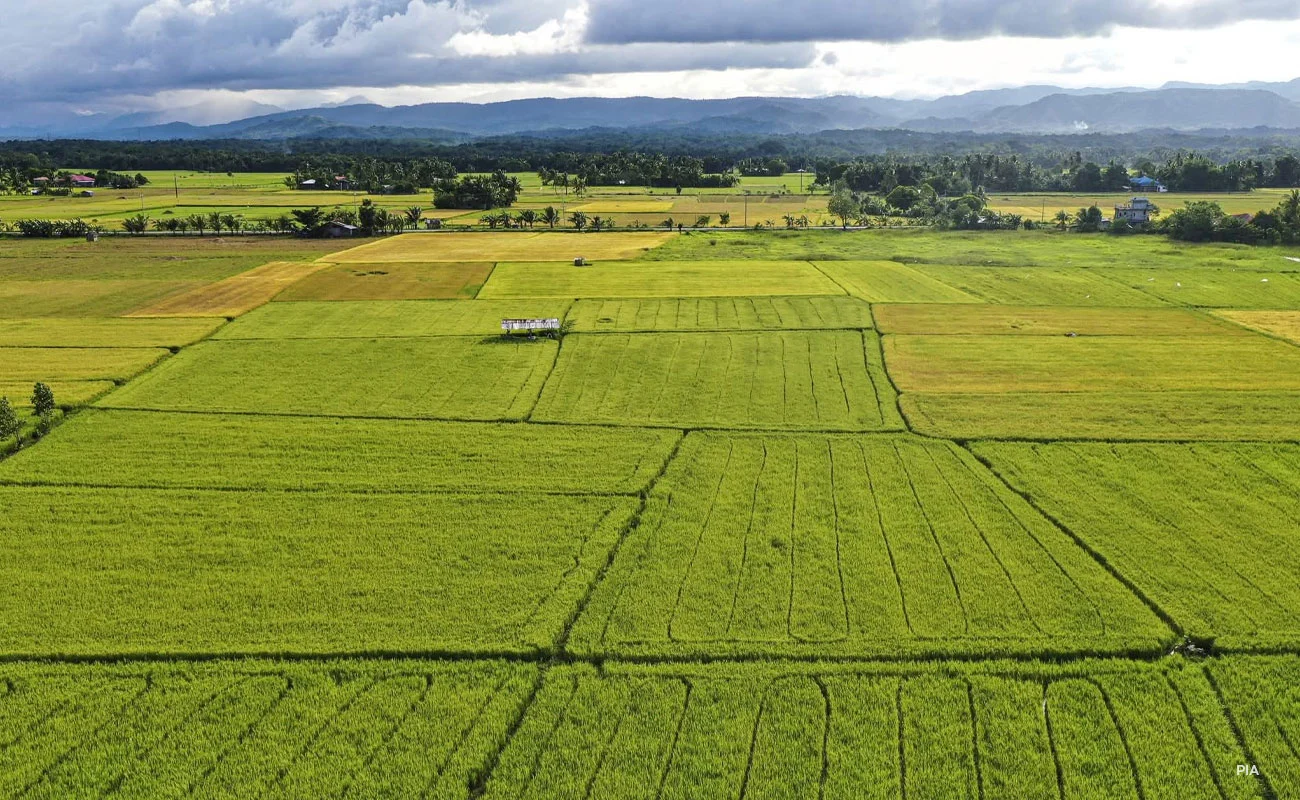


Metro Manila, Philippines – Rice output could decline by up to half over the spike in fertilizer and petroleum costs as a result of the Middle East crisis, the Department of Agriculture (DA) said.
“The initial projection — what we say the minimum or the best-case scenario — is 20 percent reduction. That’s the best-case scenario. It can even go up to 50 percent decline in productivity,” Agriculture Undersecretary Asis Perez told a Senate hearing on Wednesday, April 8.
“‘Pag wala hong fertilizer, walang magagawa ‘yung farmer. Kung hindi niya kayang bumili ng gasolina, hindi siya, wala siyang magagawa, walang kalabaw eh,” he explained.
[Translation: If there is no fertilizer, farmers cannot do anything. If they cannot afford to buy fuel, they also cannot operate — they have no means to farm.]
“And so the initial projection is about 20 percent. That’s the minimum decline if we don’t do anything,” he added.
Senate agriculture committee chairman Francis “Kiko” Pangilinan said this could translate to around two million metric tons of palay losses.
Perez said the farm sector may encounter the impact in May and June, potentially reducing harvest in August and September.
The Samahan ng Industriya ng Agrikultura (SINAG) said farmers may halt planting by May or June over high costs.
Senator Bam Aquino asked whether rice imports could offset the projected shortfall, but Perez said other countries may restrict exports to secure their needs.
Perez said the DA is pushing for preventive measures, including expanded subsidies to help farmers purchase fertilizer and fuel products. The agency estimates that around ₱37 billion is needed to support the production of palay, corn, and fisheries for three months.
Pangilinan explained that the closure of the Strait of Hormuz — a key global oil route — has also affected fertilizer supply and prices, as a significant portion of global supply passes through the waterway.
“We are currently facing an energy crisis, but we believe that this energy crisis can eventually lead to a food crisis, and therefore we have to prepare,” Pangilinan said.
“Experts are saying that unless this is resolved sooner rather than later in terms of the war in the Middle East, we should prepare for a food shock,” he added.
Aquino noted that around ₱200 billion in the budget could be tapped for assistance, while Pangilinan cited ₱63 billion available under the Assistance to Individuals in Crisis Situation program.
Social Welfare Undersecretary Aliah Dimaporo said she would raise with the agency the possible use of these funds.