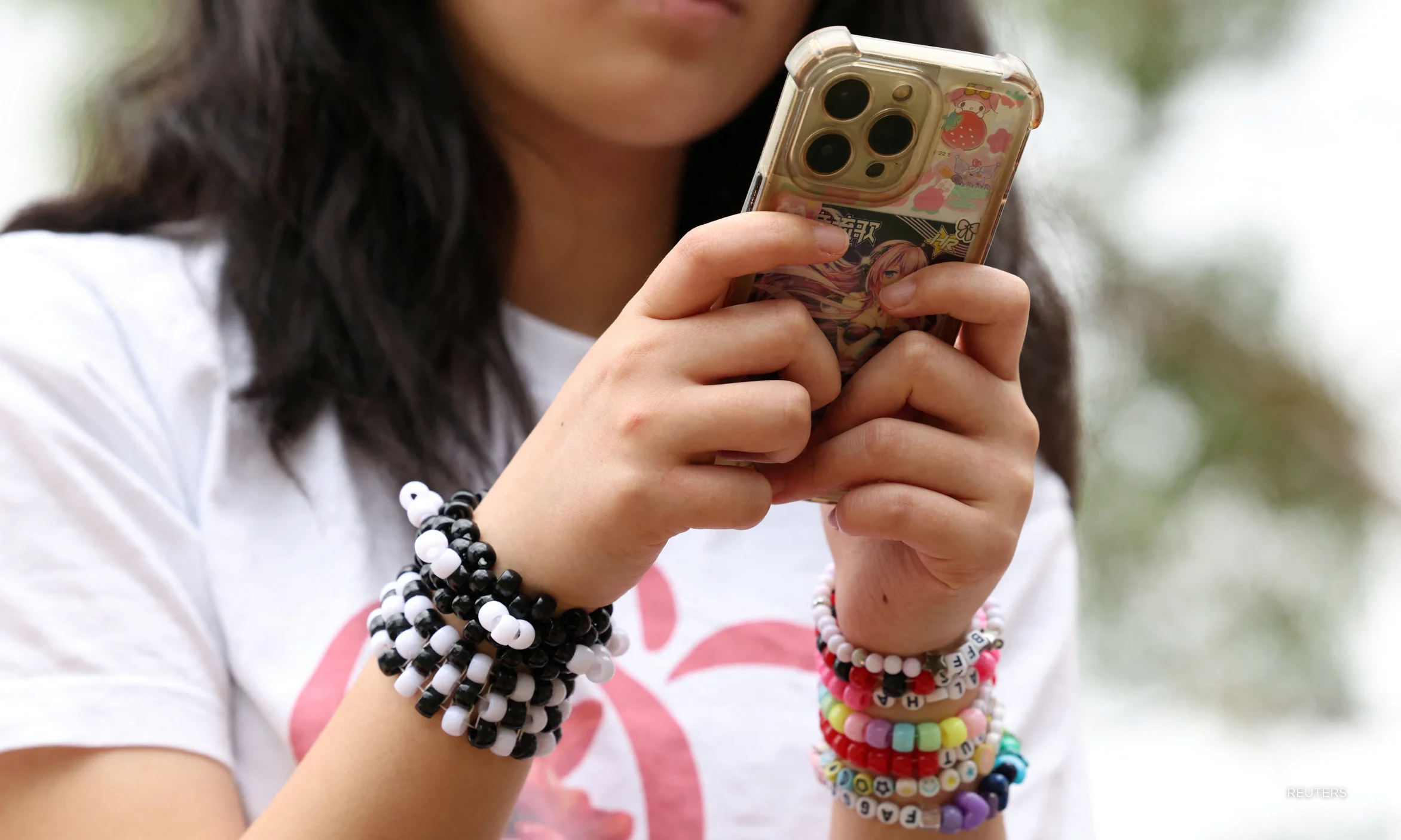


Sydney, Australia – The Australian internet regulator said it was investigating five of the biggest social media platforms for suspected breaches of its new under-16 ban, its strongest signal yet that companies may face enforcement action under a world-first regime.
The announcement marks the government’s first public assessment of compliance with the law that is being studied by policymakers globally. Weak adherence by the biggest platforms could undermine the momentum of governments considering similar restrictions.
eSafety Commissioner Julie Inman Grant said Meta’s META.O Facebook and Instagram, Snapchat SNAP.N, TikTok and Google’s GOOGL.O YouTube had been flagged for potential noncompliance and the watchdog was gathering evidence for possible penalties, with a decision by mid-year.
“While social media platforms have taken some initial action, I am concerned through our compliance monitoring that some may not be doing enough to comply with Australian law,” she said in a statement.
“We are now moving into an enforcement stance,” Inman Grant added.
TikTok declined to comment, while spokespeople for Meta, Snap and Google were not immediately available for comment.
Under the Australian law, platforms face a fine of up to A$49.5 million ($34 million) for noncompliance, and the regulator added on Tuesday they also faced reputational damage if found in breach of the law.
The global push for greater regulation of such platforms has gained momentum after U.S. courts found social media companies negligent for designing addictive algorithms that hurt children.
Australia’s eSafety initially hailed the ban’s success, saying in the initial weeks the platforms took down 4.7 million suspected underage accounts, and on Tuesday it said platforms had stopped another 300,000 underage accounts being activated.
But the regulator reported compliance gaps, including platforms prompting children who had previously declared ages under 16 to do fresh age checks, allowing repeated attempts at age-assurance tests until a child got a result over 16 and poor pathways for people to report underage accounts.
Some platforms did not use age-inference, which estimates age based on someone’s online activity, and some only used age-assurance measures like photo-based checks after a user tried to change their age, rather than at sign‑up.
That made it “likely many Australian children aged under 16 have been able to create accounts on age‑restricted social media platforms by simply declaring they are 16 or older”, the regulator said.
Communications Minister Anika Wells accused the platforms of using tactics “right out of the big-tech playbook … to undermine Australia’s world-leading law”.
(Reporting by Byron Kaye; Editing by Stephen Coates)