

Metro Manila, Philippines – President Ferdinand Marcos Jr. called on transport operators and drivers to work with the government to ease the burden on commuters, as a new round of fuel subsidies for public utility vehicles was rolled out nationwide.
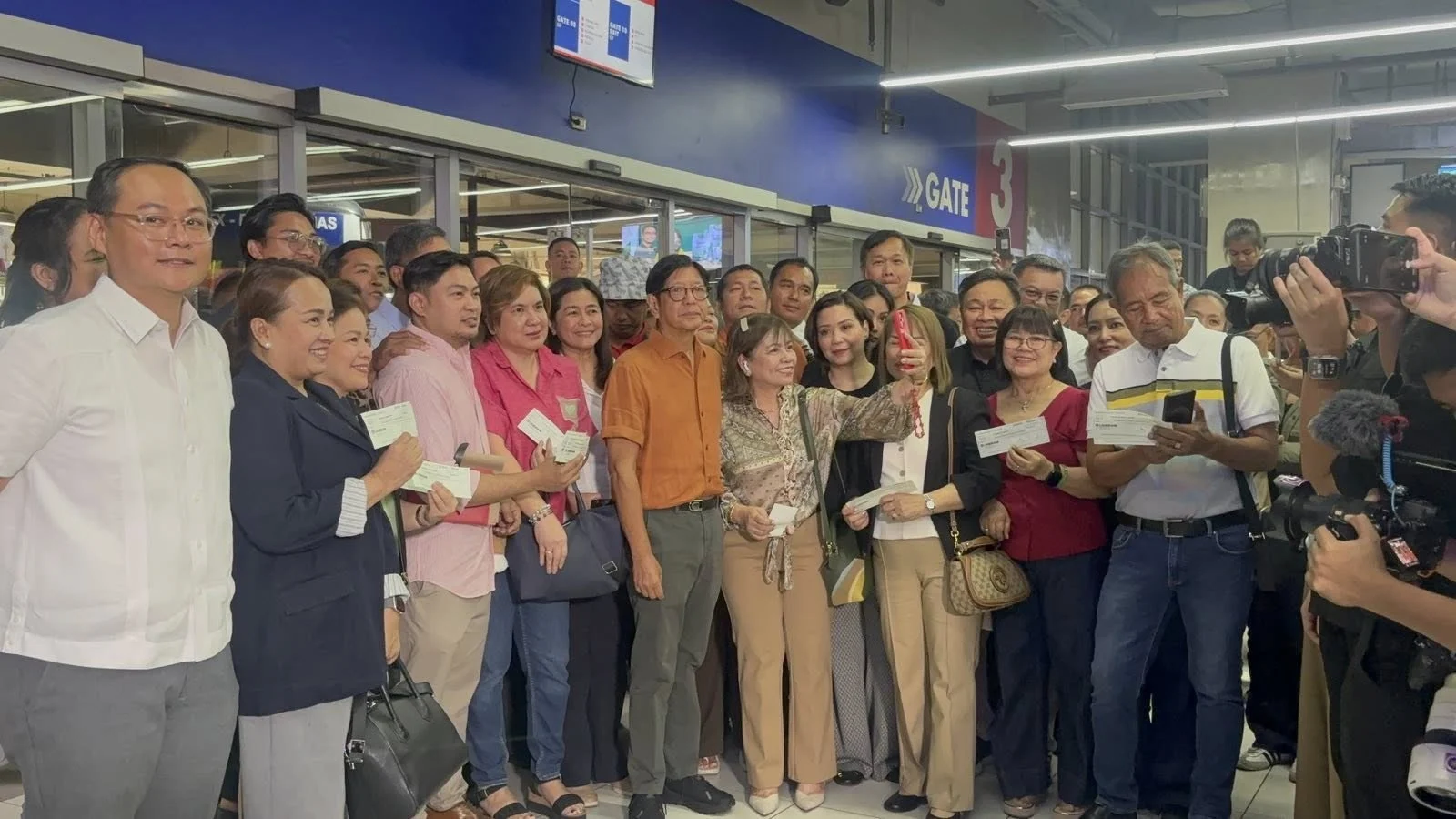
Speaking at the Parañaque Integrated Terminal Exchange on Tuesday, March 24, Marcos said the government has begun distributing subsidies of P10,000 per bus unit as part of its response to rising global fuel prices.
Marcos said the assistance is being implemented across the country, with multiple payment options available to ensure faster and more convenient distribution.
“We are now providing a P10,000 subsidy for each bus unit,” Marcos said, noting that payments can be made through digital platforms, automated teller machines, or other available channels.
While encouraging digital transactions, Marcos said traditional methods remain available.
The president urged transport stakeholders to cooperate with the government to help prevent additional strain on passengers.
“So, tulungan ninyo naman kami para ‘yung mga ating riding public ay hindi masyadong mahirapan… at hindi sila masyadong mabigatan sa pamasahe,” Marcos said.
[Translation: So please help us so that the riding public will not suffer too much… and will not be overly burdened by fares.]
He said the subsidy program is part of broader efforts to cushion the impact of fluctuating oil prices driven by developments in the global market, and that the government continues to rely on cooperation with the private sector, operators, and drivers.
Marcos also asked transport groups to provide feedback to improve the system, emphasizing the need for speed and efficiency as fuel prices continue to change.
“Kung mayroong maging problema o kung mayroong sa palagay ninyo maging mas magandang sistema… sabihin niyo kami,” he said.
[Translation: If there are problems or if you think there is a better system… let us know.]
The government has rolled out fuel subsidies alongside other measures, including transport discounts and financial assistance, as it seeks to mitigate the impact of rising fuel costs on commuters and the broader economy.
Marcos said sustained cooperation between the government and the transport sector is key to ensuring that Filipinos continue to have access to affordable and reliable public transportation.
“Basta’t nagtutulungan tayo… matiyak natin na maging maayos ang kanilang pagbiyahe,” he said.
[Translation: As long as we work together… we can ensure that their travel remains smooth.]