

Metro Manila, Philippines- Southeast Asian foreign ministers on Friday, March 13, called for an immediate cessation of hostilities in the escalating Middle East conflict, warning that the crisis could disrupt global energy markets, threaten regional economic stability and endanger thousands of ASEAN nationals in affected areas.
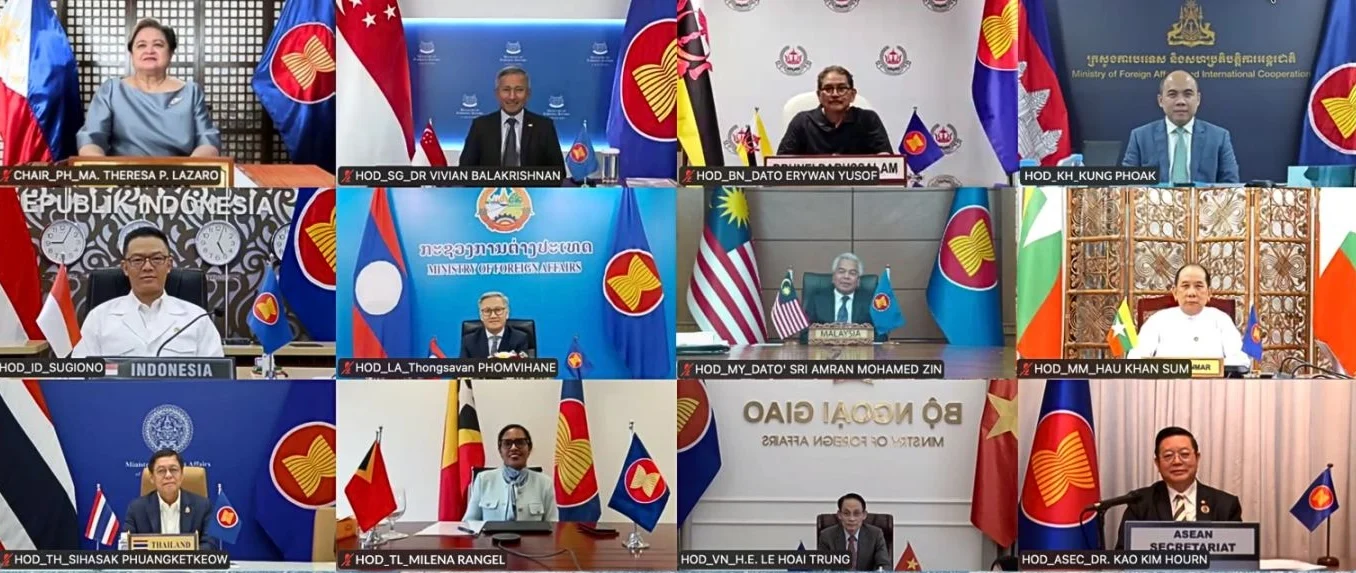
The emergency meeting was convened by the Philippines in its capacity as chairman of the Association of Southeast Asian Nations (ASEAN) in light of the rapid escalation of fighting in the Middle East.
Foreign Affairs Secretary Ma. Theresa Lazaro presided over the special ASEAN Foreign Ministers’ Meeting held via videoconference on March 13.
“ASEAN calls for the immediate cessation of hostilities and urges all parties to exercise utmost self-restraint and avoid actions that could further aggravate the situation,” the ministers said in a joint statement.
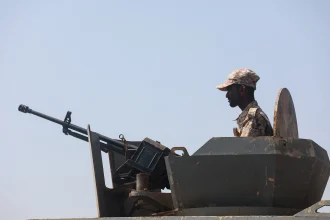
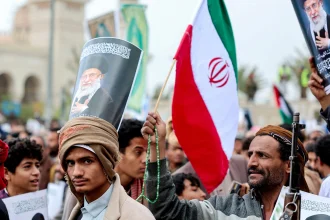
The meeting was convened after the widening regional conflict triggered by attacks initiated by Israel and the United States against Iran on Feb. 28, followed by retaliatory strikes across Middle Eastern countries.
ASEAN foreign ministers expressed “serious concern over the escalation of conflict in the Middle East,” warning that the situation poses “a grave threat to the lives and safety of civilians, as well as to regional and global peace and stability.”
They urged all parties to adhere to international law and the principles of the United Nations Charter.
Energy, economic risks
Ministers warned that prolonged fighting could disrupt critical global supply chains.
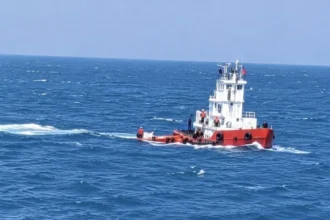
“The meeting discussed the impacts of the conflict on global economic activity, particularly energy markets and maritime and air transport routes,” the statement read.
ASEAN emphasized the importance of keeping global energy supply chains and trade routes open to prevent shortages or price spikes that could affect Southeast Asian economies.
The bloc also stressed the need to strengthen regional energy cooperation and resilience mechanisms, including the ASEAN Power Grid, the Trans-ASEAN Gas Pipeline network and the ASEAN Petroleum Security Agreement.
“These frameworks can be further mobilized to enhance consultation, information sharing and cooperation among ASEAN member states,” ministers said.
Safety of ASEAN nationals
Foreign ministers also discussed the safety and welfare of ASEAN citizens in conflict-affected areas.
They reaffirmed the bloc’s shared commitment to provide emergency and consular assistance to nationals abroad and to coordinate closely among diplomatic missions.
The Philippines urged member states to coordinate policy responses to cushion potential economic shocks while ensuring the protection of ASEAN nationals.
“Solidarity and collective action remain ASEAN’s most powerful instruments in navigating the present crisis,” Lazaro said during the meeting.
The bloc reiterated that dialogue remains the only viable path to resolving the conflict.
“The meeting reaffirmed the obligation of all states to resolve their differences through peaceful means and to respect the sovereignty and territorial integrity of all nations,” the statement said.
ASEAN foreign ministers agreed to continue monitoring developments in the Middle East and to coordinate responses to mitigate the crisis’ implications for the region.