

Metro Manila, Philippines – The government is considering alternative modes for transportation to repatriate over a thousand overseas Filipino workers (OFWs) as the Middle East crisis worsens, Migrant Workers Secretary Hans Cacdac said Wednesday, March 4.
Cacdac said officials are studying land transportation options because of closed airspace.
He said in a news briefing that the agency is coordinating with the departments of foreign affairs and defense, as well as host government authorities because of dangers in taking land transportation.
The Department of Migrant Workers (DMW) is also monitoring the limited flights of regional airlines Etihad and Emirates.
“We want those risks down to zero as much as possible before we undertake repatriation. We do not want to place any of our citizens, nationals, or OFWs in harm’s way,” Cacdac said.
More than 2.4 million Filipinos are living and working in the Middle East, including an estimated 975,000 in the United Arab Emirates, according to government figures.
Most of the OFWs who signified intention to return to the country are from Bahrain, Abu Dhabi, and Dubai.
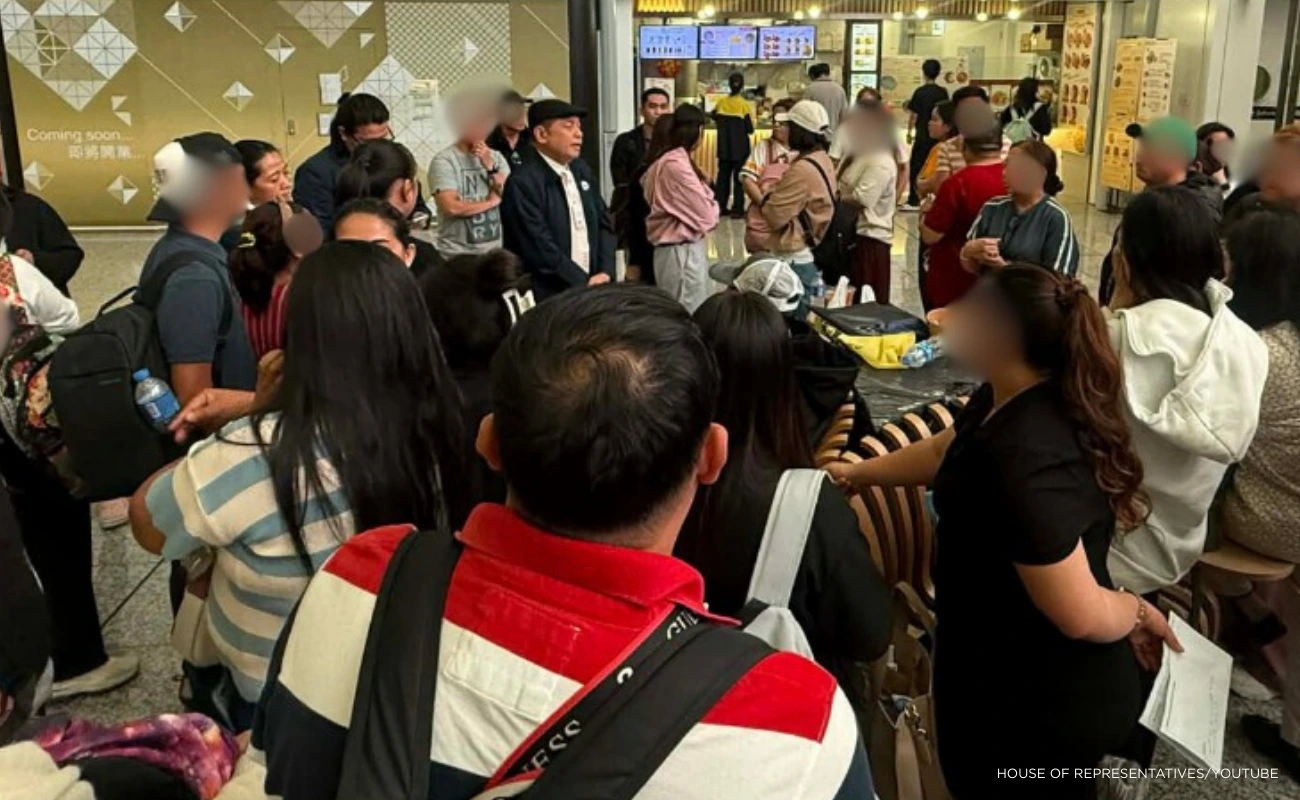
The government has assisted around 1,800 OFWs on the ground, as well as aid to more than 800 others whose flights were canceled in Manila, and 200 more stranded in international transit hubs.
OWWA Administrator PY Caunan appealed to those provided with temporary hotel accommodation in Manila to avail of government help in returning to their provinces with no announcements on the resumption of flights to the Middle East.
US President Donald Trump earlier projected that the conflict could last four to five weeks, or even longer.
Cacdac and Caunan said it’s difficult to place timelines on the crisis.
“Nakikiusap kami sana ay pumayag na silang maihatid namin or sa recruitment agency ihatid na rin sila. Tulungan na rin kami to assure them once maging okay itong lahat back to normal, pwede na rin silang ulit umalis at maihatid dito sa airport sa manila,” Caunan said in the same briefing.
[Translation: We appeal to them to let us send you home or for recruitment agencies to send them home. We ask the recruitment agencies to assure them that once the situation goes back to normal, they can go back to the airport in Manila with transportation assistance.]
Meanwhile, Cacdac confirmed they have received reports of Filipino seafarers in ships anchored off the Strait of Hormuz.
Iran has claimed the important waterway is under its “complete control.”
“We have been in touch with seafarers themselves,” Cacdac said. “We are now talking to licensed manning agencies and the shipowners to get them out of there.”
“In the meantime, on board, their conditions are good enough for them to last until they’re taken out of there. Hopefully, hindi ganun katagal [it’s not that long].” he said.
Here are the latest alert levels in the Middle East and Africa:
- Alert Level 4 (mandatory evacuation) – Gaza, Syria, Yemen
- Alert Level 3 (voluntary repatriation) – Iraq, Lebanon
- Alert Level 2 (restriction phase, deployment ban in effect) – Iran, Kurdistan, Israel, West Bank
- Alert Level 1 (precautionary phase) – Jordan
- No alert – Qatar, United Arab Emirates, Saudi Arabia, Bahrain, Kuwait