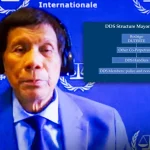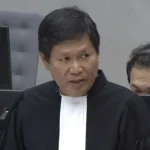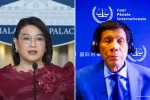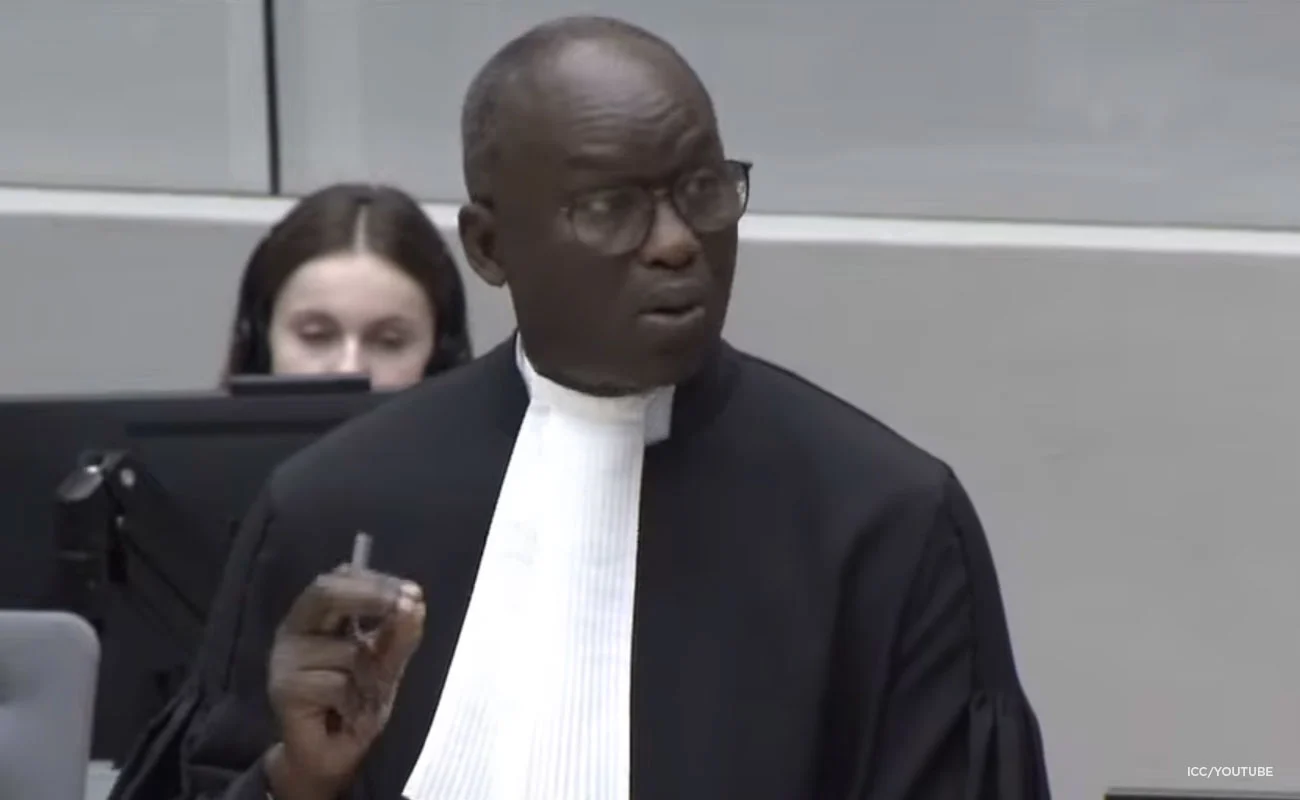


The Hague, Netherlands – Insider witnesses described how police officers and alleged hitmen carried out killings out of “blind loyalty,” fear, and the promise of rewards and promotions during former President Rodrigo Duterte’s anti-drug campaign, an International Criminal Court deputy prosecutor told judges Monday, Feb. 23, at the opening of a pivotal pre-trial hearing.
Deputy Prosecutor Mame Mandiaye Niang said prosecutors will rely on testimony from insiders and documentary evidence to show how alleged perpetrators were encouraged by cash incentives, career advancement, and assurances of protection.
“One insider witness explicitly says that the police killed ‘because of the directive of the president,’” Niang said.
The prosecutor added that some participants complied “because of their blind loyalty to Mr. Duterte,” while others acted because of fear or the expectation of rewards.
Niang told judges that insider accounts described killings that sometimes became “a perverse form of competition,” with officers seeking quotas that could lead to advancement within police ranks.
“For some killings, it reaches the level of a perverse form of competition with effort to attain killing quotas which in turn would lead to promotions and rewards,” he said.
According to the prosecution, financial payments were allegedly offered for each killing and perpetrators were reassured by repeated promises of immunity. Niang quoted Duterte as telling officers that pardons were available and that promotions could follow.
“For as long as there is a power to pardon in the constitution, that’s my weapon against crime,” Niang said, citing Duterte’s remarks. “If you massacre 100 … you will all be pardoned … plus a promotion to boot.”
Such statements, prosecutors said, reinforced a belief among alleged perpetrators that they would not face consequences. One insider witness, Niang said, described feeling confident to continue killing because he knew he “wouldn’t be arrested for that.”
The deputy prosecutor portrayed Duterte as exercising decisive influence over police units and alleged death squads, first in Davao City and later nationwide as president.
“He was feared and his order and instruction were obeyed,” Niang said, describing a command structure in which alleged perpetrators followed directives without question.
Niang told judges that Duterte’s authority allowed him to expand operations across the Philippines and to suspend anti-drug operations temporarily following public outcry, which prosecutors say demonstrated control over the campaign.
“These were not random crimes,” he said. “They were part of a widespread and systematic attack.”
No witnesses are expected to testify during this phase; lawyers are presenting arguments based on evidence already filed with the court, including speeches, government documents and insider statements.
The hearing would determine whether the case proceeds to trial — a step that could make Duterte the first former Philippine president to face full proceedings before the ICC.
Duterte’s defense team has denied the allegations and continues to challenge the court’s jurisdiction, arguing that speeches cited by prosecutors do not demonstrate criminal intent.
Opening the prosecution’s presentation, Niang framed the hearing as a test of accountability for leaders accused of serious crimes.
“Today marks an important day for international justice,” he told the judges. “It is also a reminder that those in power are not above the law.”