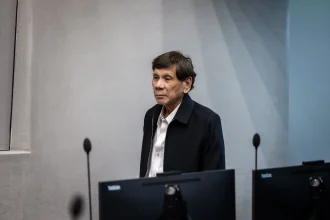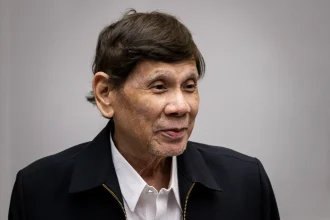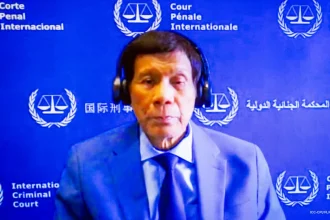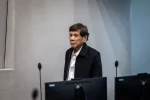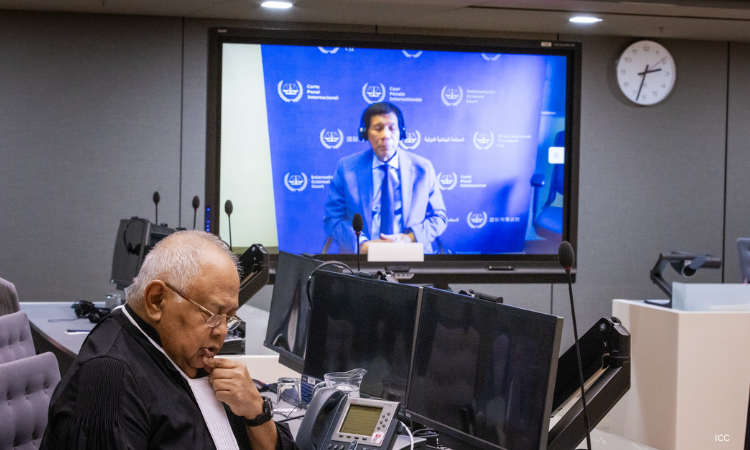

Metro Manila, Philippines – The family of Rodrigo Duterte does not have approved in-person visits while he faces the International Criminal Court’s pre-trial hearings on crimes against humanity related to his drug war.
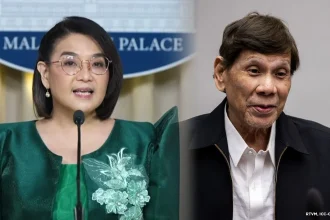
The Duterte family made the announcement as the patriarch goes through the confirmation of charges hearing before the ICC Pre-Trial Chamber I starting Monday, Feb. 23, according to a notice from the Office of the Vice President on Sunday, Feb. 22.
They said telephone calls will continue to be made available for them.
The ICC Pre-Trial Chamber I judges have allowed Duterte to skip appearance after he waived his right to attend.
READ: ‘Old and tired’: Duterte seeks to skip ICC hearings, says he accepts possibility of dying in prison
The Duterte family also announced that their father will have a group of Filipino lawyers during the hearings. They are:
- Salvador Medialdea, former executive secretary
- Martin Delgra III, former Land Transportation Franchising and Regulatory Board chief
- Silvestro Bello III, former labor secretary
- Alfredo Lim Jr.
- Caesar Dulay, former Bureau of Internal Revenue commissioner; and
- Salvador Panelo, former chief presidential legal counsel.
Medialdea served as Duterte’s legal counsel during the former Philippine leader’s initial appearance to the ICC Pre-Trial Chamber I on March 14.
British-Israeli lawyer Nicholas Kaufman leads the defense team of Duterte. Dov Jacobs, a veteran trial lawyer, stands as an associate counsel.
The Duterte family thanked their father’s legal team and supporters in The Hague.
The ICC Pre-Trial Chamber I will conduct the confirmation of charges hearing from Monday to Friday to determine whether there is sufficient evidence for Duterte’s case to go into a full trial.
The charges against Duterte involved murders in or around Davao City during the mayoral period by the Davao Death Squad (DDS), murders of high-value targets during the presidential period, and murders and attempted murders in barangay clearance operations during the presidential period.
The government said the bloody war on drugs killed around 6,000 people but human rights groups claim higher figures.