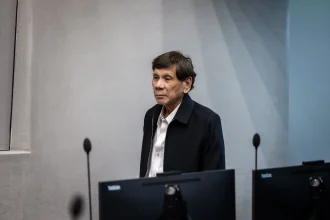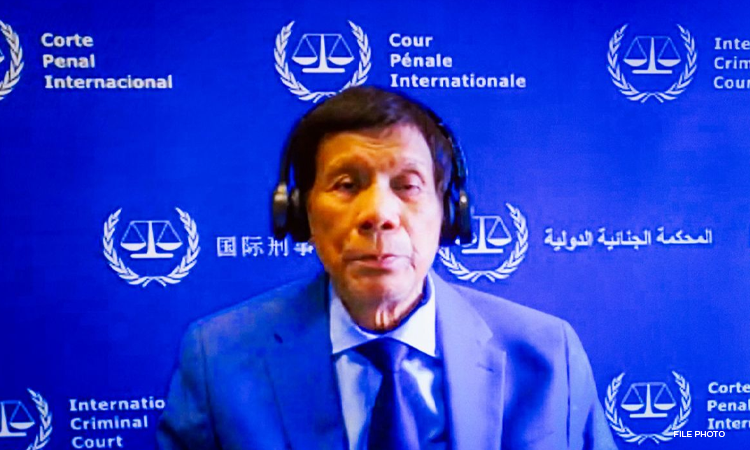


Metro Manila, Philippines – Former President Rodrigo Duterte has asked the International Criminal Court (ICC) to excuse him from attending his upcoming confirmation of charges hearing, citing his age, frailty and continued refusal to recognize the tribunal’s jurisdiction, according to a letter attached in a six-page document submitted to the ICC Pre-Trial Chamber.
Duterte said the implications of waiving his appearance had been fully explained by his lawyers but insisted he does not accept the authority of the court.
“I do not recognize the jurisdiction of the International Criminal Court over my person,” he wrote.
Duterte alleged he was “a Filipino citizen forcibly pushed into a jet and renditioned to the Hague in the Netherlands in flagrant contravention of my country’s Constitution and of national sovereignty,” and claimed his “kidnapping” was “facilitated by the Office of the incumbent President of the Philippines.”
The 80-year-old former leader said his physical condition influenced his decision to seek exemption from the four-day proceedings scheduled to begin next week, Feb. 23.
“I do not wish to follow these proceedings from outside the courtroom through the use of communication technology,” he wrote.
“I do not wish to attend legal proceedings that I will forget within minutes. I am old, tired and frail. I wish for this Court to respect my peace inside the cell it has placed me,” he added.
Duterte added that he had “accepted the fact that I could die in prison, but those that desire this fate for me should know that my heart and soul will always remain with the Philippines.”
Despite requesting to skip the hearing, Duterte said he remains confident in his defense team’s ability to contest the allegations.
“The claim that I oversaw a policy of extra-judicial killings is an outrageous lie,” he wrote, adding that the accusations were “peddled by my political opponents for many years.”
Under Article 61 of the Rome Statute, suspects are generally required to attend confirmation of charges hearings but may waive that right. Judges can allow proceedings to continue without the accused if they determine it is in the interests of justice, with legal counsel representing the defense.
Prosecutors, defense lawyers and legal representatives of victims are expected to present oral arguments on whether there is sufficient evidence to send the case to trial during the confirmation hearing.
Judges typically issue a written decision within 60 days after the hearing concludes, determining whether to confirm the charges, request additional evidence or decline to move the case forward.