

Metro Manila, Philippines – The Philippines slipped to its worst ranking since its inclusion in the global Corruption Perceptions Index more than a decade ago, highlighted by corruption in flood control projects that should have been protecting a nation vulnerable to the impact of climate change.
The Philippines slid six spots to rank 120th out of 182 countries in the 2025 edition of the index published by Transparency International, a global movement seeking to end the injustice of corruption, released on Tuesday, Feb. 10.
Manila scored 32 out of 100, one point down from 33 in the previous version.
Transparency International explained that a country’s score is the “perceived level of public sector corruption on a scale of 0-100, where 0 means highly corrupt and 100 means very clean.”
The Philippines score was way below the average score of 45 in the Asia-Pacific region.
The index noted that the global average score was 42, “which was the lowest level in more than a decade, pointing to a concerning downward trend that will need to be monitored over time.”
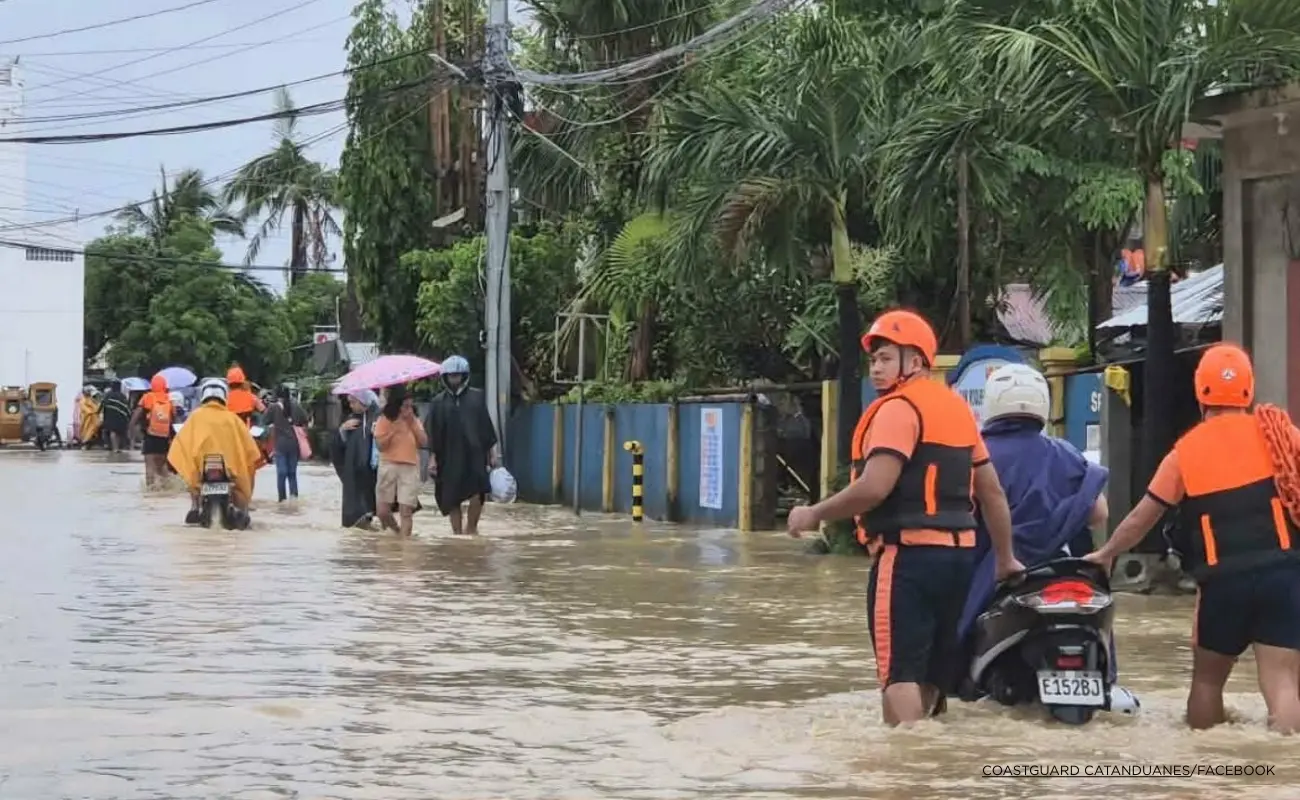
For the Philippines, the latest Corruption Perceptions Index was marked by the flood control mess. Last year, the Department of Finance said the economy may have lost up to P118.5 billion in the last two years due to the project anomalies.
In an article, Transparency International noted the impact of the corruption scandal would go beyond financial losses if the allegations were proven to be true.
“It erodes public trust in climate governance, impairs the country’s ability to implement effective adaptation strategies, and risks compromising future public and private investments in climate resilience,” it said.
“The scandal illustrates how mismanagement and opaque use and distribution of funds in public sector adaptation projects can directly undermine climate goals, as it can create conditions in which resources meant to protect communities from climate change may be diverted for personal gain,” it added.
In response to the Philippines’ performance in the index, Malacañang said it was “expected.”
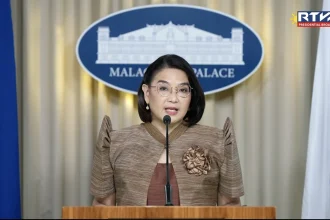
“Expected talaga na mabubunyag ang korapsyon na naganap noong nakaraan,” Communications Undersecretary Claire Castro told a Palace briefing on Wednesday.
“At sa paglilinis pong ito, makikita nila ang pagbabago para mas makita nila na pinipigilan at tinatanggal na ang korapsyon sa pamahalaan,” Castro said.
[Translation: It is expected that the corruption in the past will be exposed. And in cleansing, the public will see the reforms that prevent and end corruption in the government.]
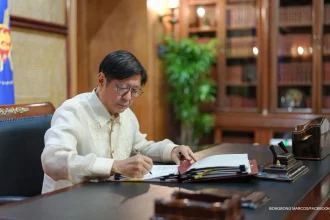
Malacañang sticks with its rhetoric: that President Ferdinand Marcos Jr. highlighted the perennial issue of flooding and ordered a corruption crackdown during his State of the Nation Address last year.
Marcos formed the Independent Commission for Infrastructure to probe anomalies, but critics raised it is expected to end soon only after five months of investigating work. The ICI, after losing two of three commissioners, has submitted a final report for review of the president.
The Corruption Perceptions Index collects insights from 13 data sources from 12 independent institutions specializing in governance and business climate analysis.
Transparency International said the index source data captures:
- bribery
- diversion of public funds
- prevalence of officials using public office for private gain without facing consequences
- ability of governments to contain corruption and enforce effective integrity mechanisms in the public sector
- red tape and excessive bureaucratic burden which may increase opportunities for corruption
- meritocratic versus nepotistic appointments in the civil service
- effective criminal prosecution for corrupt officials
- adequate laws on financial disclosure and conflict of interest prevention for public officials
- legal protection for whistleblowers, journalists, investigators when they are reporting cases of bribery and corruption
- state capture by narrow vested interests; and
- access of civil society to information on public affairs.