




Last year, the prestigious MICHELIN Guide made its way to the Philippines, touring the country and recognizing over 100 restaurants with awards and distinctions for their food, mastery of technique, excellence in service, consistency, and more. In this series, we take you through different eateries and dining establishments featured across the MICHELIN Guide’s categories.
Many restaurants dream of earning a MICHELIN Star, awarded to those offering exceptional culinary experiences. Beyond this, the Guide also grants a Green Star to restaurants with outstanding sustainability practices, the Bib Gourmand award to places serving exceptionally good food at moderate prices, and the Selected list, which highlights recommended restaurants just below star or Bib Gourmand status.
1. Hapag (1 Star)
Hapag showcases the freshest local ingredients sourced from the mountains, seas, and jungles of the Philippines. During our visit, we experienced a tasting menu inspired by Western Mindanaon cuisine, shaped by extensive research through the chef’s travels. If earthy flavors aren’t your thing, this might not immediately suit your palate, but an open mind goes a long way here.
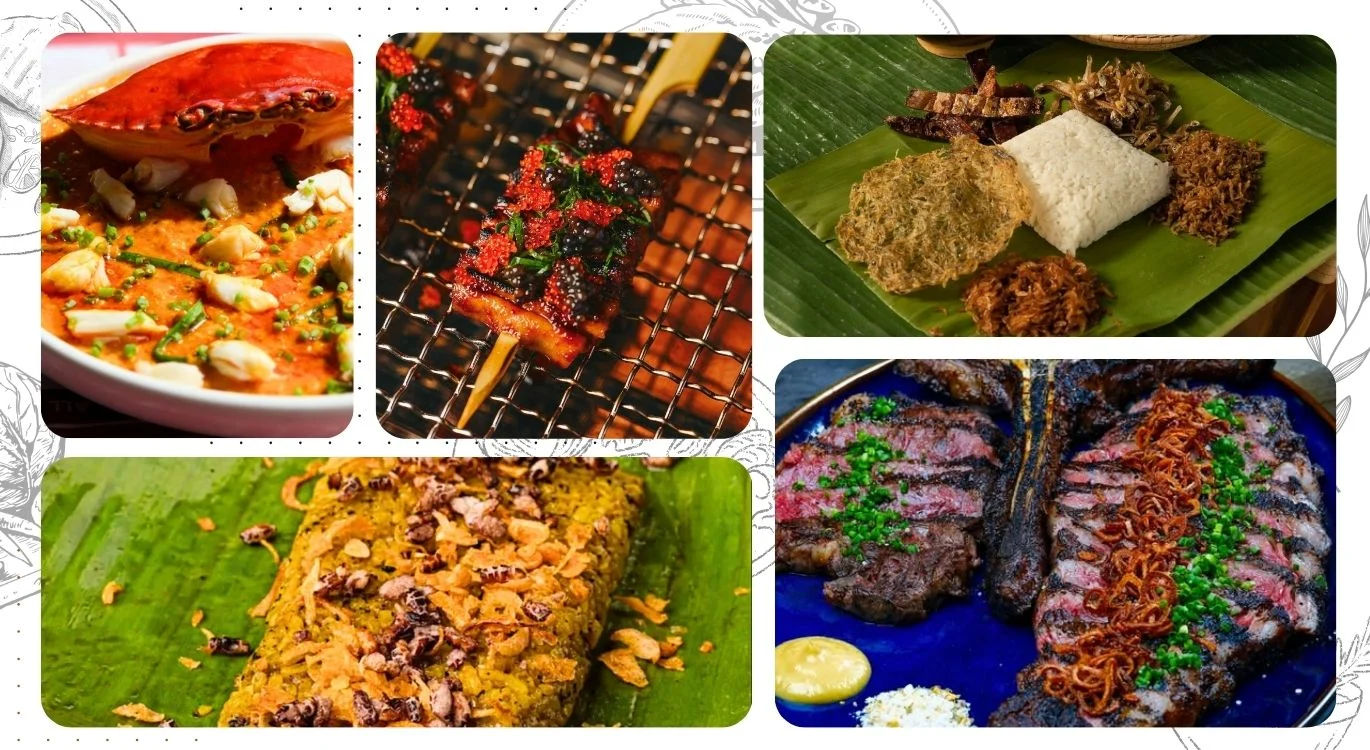
Standout dishes included the Junay, a packed rice dish cooked in coconut leaves and topped with crunchy onion bits and puffed black rice, and the Camaron Rebosado, featuring big tiger shrimp coated in pinipig. The dishes felt fresh and distinctive, introducing flavors you don’t often encounter in more familiar Filipino dishes.
2. Toyo Eatery (1 Star)
Opened in 2016, Toyo Eatery, one of the most consistently well-regarded restaurants on the list, has now added a MICHELIN Star to its growing roster of accolades. Chef Jordy Navarra’s restaurant elevates Filipino cuisine with modern, inventive twists.
The playful menu constantly evolves, but some signature elements remain, including the Garden Vegetables dish inspired by the Bahay Kubo song many Filipinos grew up with, designed to resemble a miniature garden, complete with “soil.” There are also courses where diners get to roll their own lumpia. The overall experience, and its imaginative use of ingredients, is what makes Toyo Eatery stand out.
3. Some Thai (Bib Gourmand)
Some Thai is one of the few restaurants where waiting in a long line is genuinely worth it. The self-described “unapologetically inauthentic” Thai restaurant reimagines classic dishes in exciting ways.
The crab curry is a must, with generous chunks of crab meat swimming in rich, flavorful sauce. Another standout is the Son and Raw Egg, a playful take on the Son-in-Law Egg, featuring a crispy egg white base topped with a yolk and doused in tamarind sauce for a punchy, texture-filled bite.
4. Oak and Smoke (Selected)
Grilled and smoked meats take center stage at Oak & Smoke. The stylish restaurant in Makati sources premium ingredients from Japan, Australia, and the USA to create dishes inspired by global and Asian cuisines.
Among the standouts we tried during a special dinner were Hainanese Chicken Dumplings, Blue Marlin Belly skewers, and a juicy, bone-in Grilled French Pork Chop cooked to perfection.
5. MODAN (Selected)
With just 12 to 14 seats, this minimalist Japanese restaurant is as much about the experience as it is about the food. Each dish is presented directly by chefs working right in front of guests, offering insight into what you’re eating, how it’s prepared, and what inspired it.
While tasting menus may change, the quality remains consistently impressive. Highlights from our visit included an elevated take on tebasaki (Japanese chicken wings) and a rich, deeply flavorful wagyu rice bowl
The MICHELIN Guide may sound fancy, but it’s far from one-note. Beyond tasting menus and fine dining, it reflects a wide range of cuisines, dining styles, and experiences across the Philippines, from casual favorites to standout destinations.
We’ll continue exploring more of these restaurants in this series, sharing the ones that left a lasting impression and are worth returning to.