

Metro Manila, Philippines – The Department of Environment and Natural Resources (DENR) signaled openness to adopt “new technology” incineration and other waste-to-energy alternatives as part of possible amendments to the 25-year-old law on solid waste management.
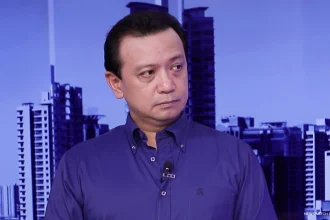
Environment Secretary Raphael Lotilla said Pampanga Rep. Gloria Macapagal-Arroyo is introducing a bill to modify Republic Act 9003 or the “Ecological Solid Waste Management Act of 2000.” Arroyo was the president who enacted the measure in January 2001.
“[Arroyo] did emphasize in her speech that part of the amendment that she’s introducing would allow waste-to-energy or other technologies provided that they meet the emissions standards of the country,” Lotilla said in a news conference after the event marking the law’s 25th anniversary on Tuesday, Jan. 27.
Environment Undersecretary Juan Miguel Cuna said the DENR “will definitely” participate in the deliberations on the proposed amendment.
The Ecological Solid Waste Management Act banned incineration as a mode of waste management, reinforced by the Philippine Clean Air Act.
Environmental groups strongly oppose incineration, or burning waste in power plants to generate electricity, as it is detrimental to the environment.
Lotilla explained that the Supreme Court was clear on the Clean Air Act provision that prohibits “polluting incineration.”
“Section 20 does not absolutely prohibit incineration as a mode of waste disposal; rather only those burning processes which emit poisonous and toxic fumes are banned,” the high court stated in 2002.
In the 20th Congress, over 160 lawmakers, including Arroyo, introduced a bill for the regulation of waste treatment technology and the repeal of Section 20, which already passed the House of Representatives.
“There are [new] technologies that have developed since 2001, and these actually can now meet the current environmental standards,” the DENR chief said.
But he added: “It doesn’t mean we give up on segregating at source.”
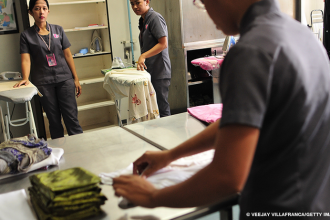
Environment officials said it is revisiting the solid waste management law to strengthen the protection of the rights and welfare of informal waste workers, the “allocation of responsibility” between national and local governments, and the provision of minimum standards in waste management.
Landfill inspection
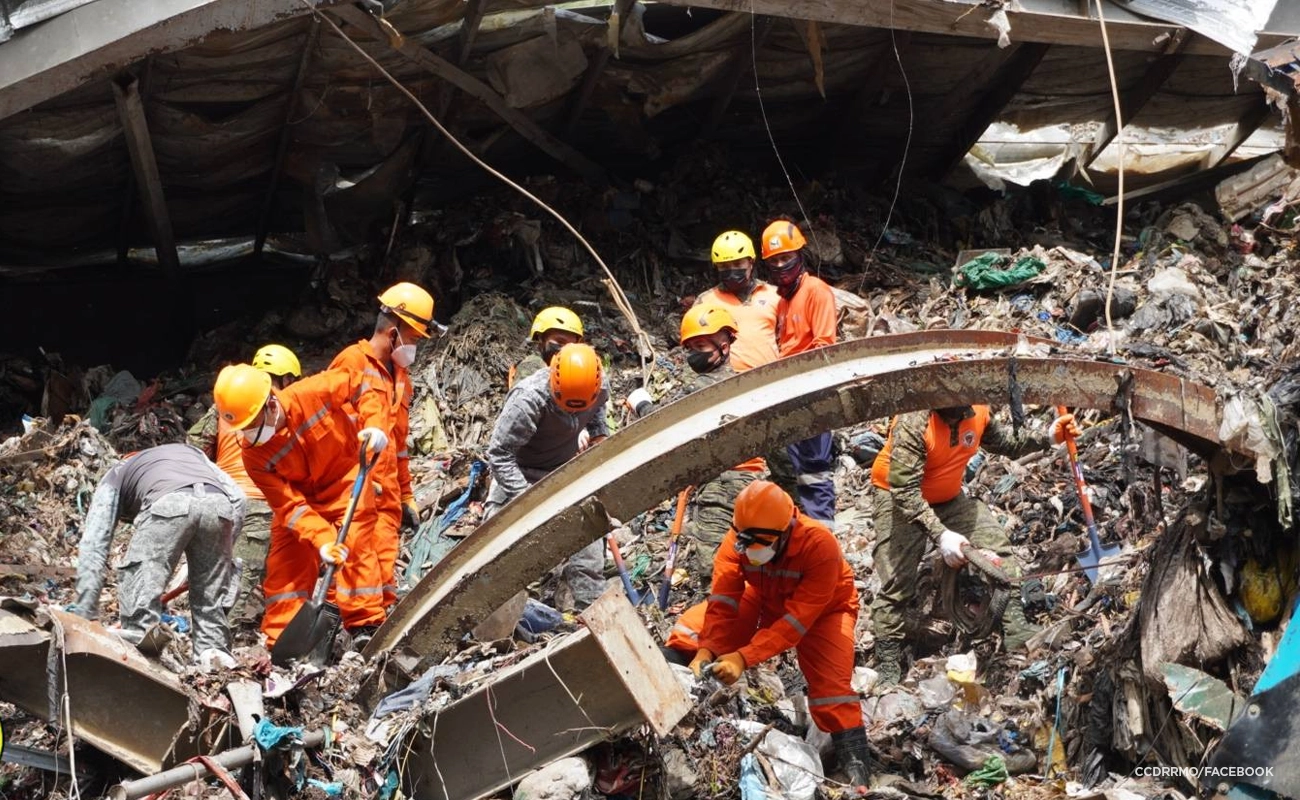
Talks of reviewing the solid waste management law were against the backdrop of the fatal Binaliw landfill collapse in Cebu on Jan. 8 that killed 36 people.
The DENR has begun its investigation.
Lotilla also ordered a nationwide inspection of operational sanitary landfills, which is expected to be completed within the first quarter.
He said that while the agency regularly monitors sanitary landfills, the comprehensive inspection would consider various factors such as heavy rains and earthquakes that could affect the facilities’ operations.
He also said the DENR’s priority this year will be assisting local government units in identifying expansion areas or new sanitary landfills where the current life of the existing facility is already ending.
As of 2025, there are over 370 operational sanitary landfills in the country.
According to the World Bank’s What a Waste Global Database, the Philippines is estimated to have produced 14.6 million tons per year in 2025.
But the DENR-backed National Solid Waste Management Commission shows a 2025 projection of over 60,700 tons of waste per day, or over 22 million tons per year.