


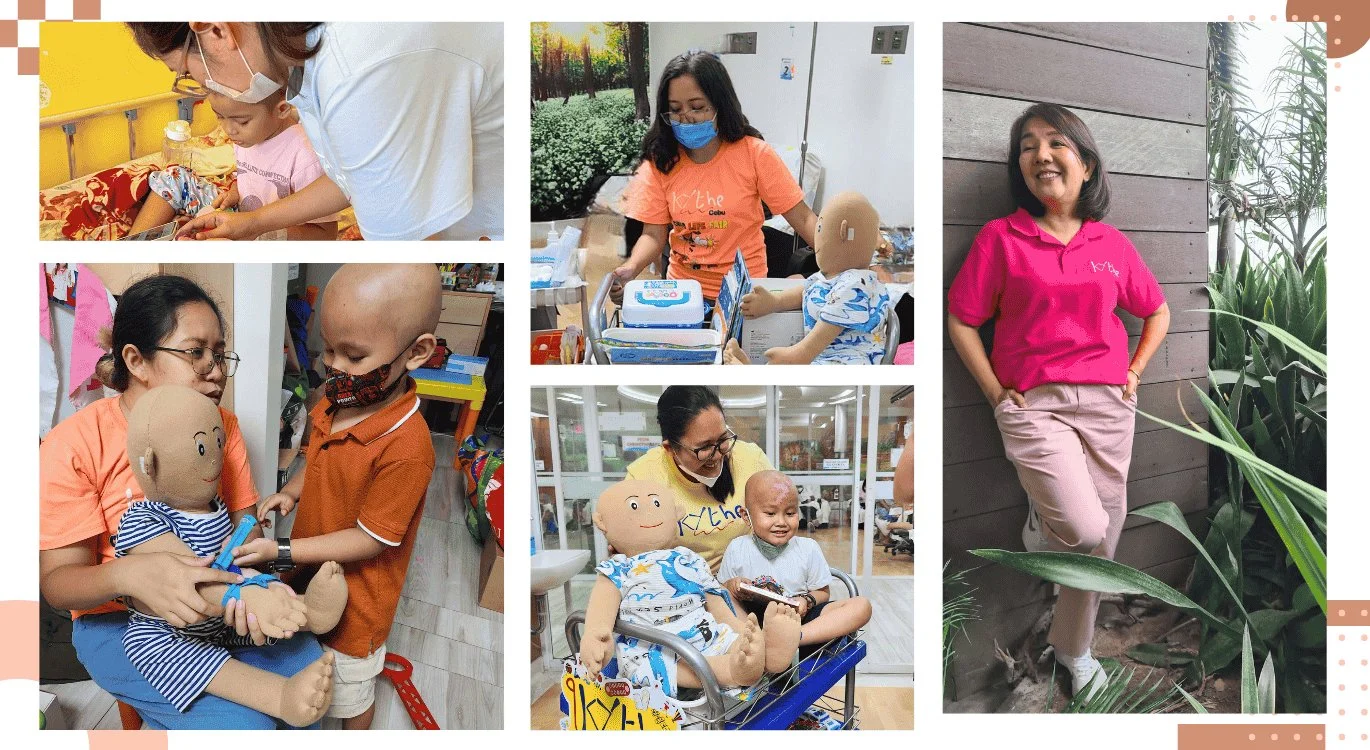


A hospital can be a scary place when you are small. The rooms are too white, the machines are too loud, and adults keep talking over your head about things you don’t quite understand. In the middle of all that uncertainty, a Child Life Manager shows up with play, patience, and the ability to explain hard things in a way that feels a little less frightening. Sometimes, they are the first person who makes a child feel seen, not just treated.
Here are five things that reveal what this role truly looks like, beyond the job title.
1. Every day is shaped by play, preparation, and showing up
A Child Life Manager’s day is rarely predictable. One moment might be spent sitting on the floor beside a hospital bed, playing quietly with a child who has been admitted for days. Another might involve guiding a group of outpatients through play that helps them forget, even briefly, why they are there.
Play is not a break from care. It is how children process fear, boredom, and confusion. Through therapeutic and medical play, they learn what will happen to their bodies and how to cope when things feel overwhelming.
There are also days that call for a different kind of presence. For children under hospice care, the work may focus on comfort, pain management support, or legacy-making activities that help families hold on to moments that matter.
2. Helping children prepare gives them back a sense of control
When a child is facing a medical procedure, fear often comes from not knowing what will happen next. Child Life Managers use medical toys, real equipment, books, and stories to gently walk children through procedures step by step.
They talk honestly about what the child might see, hear, smell, or feel. Together, they figure out what part feels scariest and how to get through it. This could be through breathing exercises, distraction, or simply having a trusted adult close by.
Preparation does not make the procedure disappear, but it changes how a child experiences it. Knowing what to expect can turn panic into courage.
3. The most meaningful moments are often the quiet ones
The heart of this work is being there for both the child and the people who love them. Parents and caregivers often carry their own fear while trying to stay strong for their child.
Seeing a child’s body relax during a procedure, or watching a parent realize that their child is coping, is where the work finds its deepest meaning. These moments are subtle, but they leave lasting impressions on families navigating some of the hardest days of their lives.
4. Advocacy matters when children are overwhelmed
One of the hardest challenges comes when a child has not been prepared in advance and becomes highly distressed during a procedure. In these moments, fear can escalate quickly, and adults may feel unsure of how to help.
Child Life Managers step in as advocates for the child, encouraging early involvement, educating families and healthcare teams on developmentally appropriate coping strategies, and modeling trauma-informed, child-centered care. Their presence can prevent fear from becoming trauma.
5. This work is for people called to make a difference
Some experiences stay with you. Like supporting a child who needed a leg amputation due to osteosarcoma, alongside a mother overwhelmed by anticipatory grief. Before anything else, the work meant sitting with the parent, acknowledging her fear, and letting her grief be heard.
With the child, support came through drawing and play, offering space to express fear, sadness, and loss. Through preparation and close collaboration with doctors, the tone of the experience shifted. After the procedure, the child’s calm and positive disposition became a powerful reminder of what emotional support can make possible.
At organizations like Kythe Foundation, this work is guided by a belief that emotional care is essential to healing. Child Life Managers do not take away the hard parts of illness, but they make sure no child or family faces them alone.
To be a Child Life Manager is to meet fear with compassion, and to believe that even in the most difficult places, kindness and play still have a place.