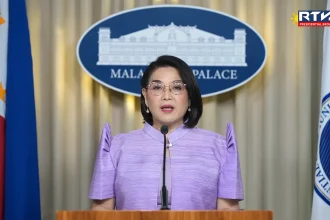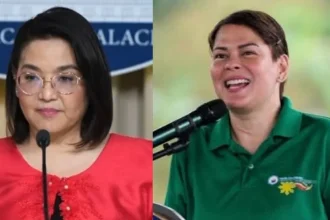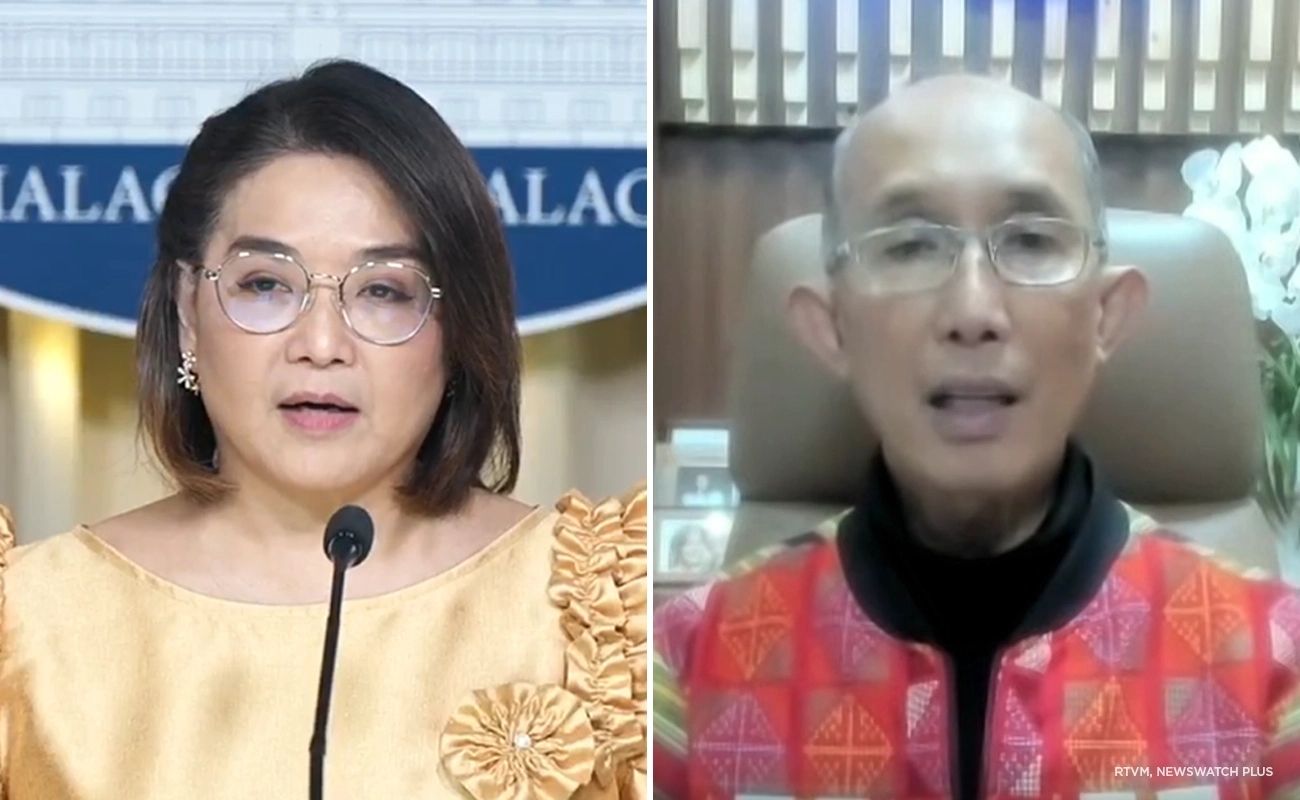


Metro Manila, Philippines – Communications Undersecretary Claire Castro slammed Baguio City Mayor Benjamin Magalong over his remarks on hospital guarantee letters, questioning his claim that Health Secretary Teodoro Herbosa made false statements about their use in government hospitals.
Castro said Magalong wrongly accused Herbosa of lying after the mayor disputed the health chief’s remarks in an interview on ‘The Newsmaker,’ where he said patients still need guarantee letters to access services in government hospitals.
“Ang sinabi po niya ay ‘sinungaling si Secretary Ted Herbosa’,” Castro said, referring to Magalong’s interview.
[Translation: He said that Secretary Ted Herbosa is a liar.]
Castro said before accusing others of dishonesty, officials should examine their own claims.
“Bago po siguro magsalita ang isang tao na sinungaling, kailangan muna nilang humarap sa salamin at tanungin ang sarili nila kung sino ba talaga ang sinungaling,” she said.
[Translation: Before someone calls another a liar, perhaps they should first look in the mirror and ask themselves who the real liar is.]
Castro said the controversy centers on the “anti-epal provision” in the budget law, which she said was initiated by President Ferdinand Marcos Jr. and has not yet been implemented. “Epal” is a local colloquial term to describe politicians who name government projects after them to claim credit.
“Hindi pa po ito nasisimulan, papa-implement pa lang po, sinisiraan na,” Castro said.
[Translation: “It hasn’t even started yet, it’s only about to be implemented, and it’s already being criticized.]
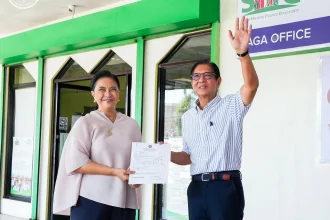
She said the policy on guarantee letters takes effect this year and that local governments, including Baguio City, have long issued such documents.
The Palace official said guarantee letters are not intended to be issued by politicians and at the same time questioned the source of funds used when local governments issue them, noting that some medical assistance funds come from senators.
She said officials from Baguio General Hospital (BGH) confirmed that guarantee letters presented to the hospital were issued by the city government using local funds, not from the Department of Health.
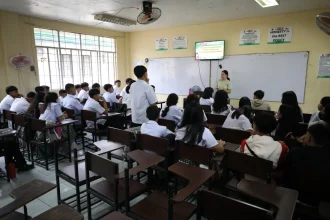
Castro said under the zero-balance billing policy, patients admitted to basic accommodations at DOH-run hospitals do not need guarantee letters.
“Kapag kayo po ay pumunta sa BGH… para sa basic accommodations, ‘di ninyo po kailangan ang guarantee letters,” she said.
[Translation: “If you go to BGH for basic accommodations, you do not need guarantee letters.]
She said Herbosa’s remarks were meant to clarify that a guarantee letter implies a guarantor who is responsible for payment if costs are not covered and that such expenses should not be charged to DOH funds.
Magalong, in his interview on ‘The Newsmaker,’ rejected Herbosa’s statement, saying the guarantee letter system remains in practice in Baguio City and other local governments. He said hospitals continue to ask patients whether they have guarantee letters before treatment is processed.
While Magalong acknowledged that guarantee letters can create opportunities for political patronage and corruption, he said they remain necessary under the current system. He called for the abolition of guarantee letters and urged that medical assistance funds be released directly to hospitals with strict monitoring and auditing.