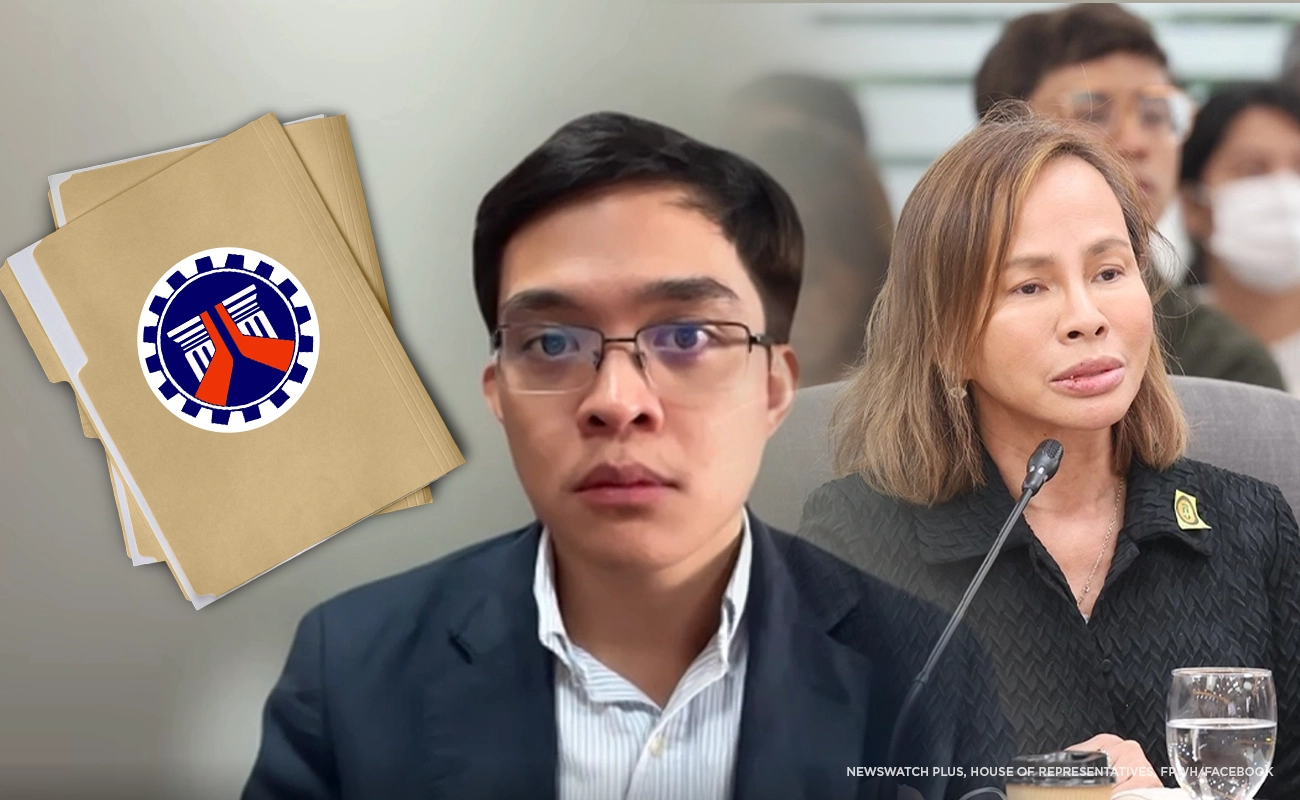

Metro Manila, Philippines – The death of a senior public works official has left behind a set of internal government records that, said a lawmaker who reviewed and took custody of them, could unravel the extent of corruption in flood control and other infrastructure spending.
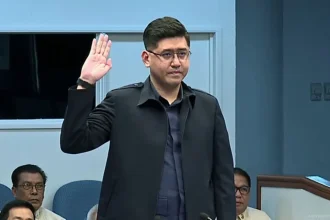
In an interview on The Newsmaker, Batangas 1st District Rep. Leandro Leviste said documents compiled under the late former Department of Public Works and Highways Undersecretary Maria Catalina Cabral showed information on who proposed and pushed for billions of pesos of projects nationwide.
“These are not just summaries,” said Leviste, the son of Sen. Loren Legarda. “They are detailed files.”
Leviste said the documents involved the current public works projects and the sponsors.
“Buong national expenditure program ng DPWH sa 2025. May mga pangalan ng mga proponent na nagpapapondo ng mga proyektong ito,” he said.
[Translation: The entire DPWH national expenditure program for 2025. There were names of proponents who pushed funding for these projects.]
While it is standard practice for lawmakers to propose projects, Leviste said the files suggest that the allocations were often inconsistent with objective indicators such as population size or infrastructure need.
“Makikita po na ang allocation ay hindi base sa pangangailangan ng distrito, base ito sa insertions ng mga proponent,” he said.
[Translation: You can see that the allocation was not based on the needs of the district. It was based on the insertions of proponents.]
Leviste cited his experience as a neophyte lawmaker whose district received a smaller share compared to others with fewer people. That issue, he said, led him to press for explanations from DPWH officials – and eventually Cabral.
Not just Congress
Leviste said the files extend beyond the legislature.
“Hindi lang po ito mga kongresista at senador, may mga opisyal sa labas ng Kongreso at Senado na may mga insertions din” he said.
[Translation: These are not just congressmen and senators. There are officials outside the House of Representatives and the Senate who also made insertions.]
Leviste said there were members of the official family and from executive agencies with no role in DPWH projects.
“Kabilang po dito ang mga cabinet secretaries at undersecretaries na walang kinalaman sa DPWH,” he said.
[Translation: This includes Cabinet secretaries and undersecretaries who have no connection whatsoever to the DPWH.]
The list bore the names of current Cabinet members despite the resignation of officials previously linked to the flood control corruption; and for Leviste, this was the most striking aspect.
He suggested that DPWH insertions may have been a form of political accommodation.
“Parang naging compensation ang DPWH insertions,” he said.
[Translation: It’s like the DPWH insertions became a form of compensation.]
Cabral’s role
Leviste was careful to distinguish Cabral’s role from the decision-makers: her office was responsible for consolidating and encoding submissions.
“Ay yung nag-e-encode through her office ng mga lists, hindi siya ang gumagawa ng desisyon sa budget” he said.
[Translation: Her office encoded the lists. She did not make budget decisions.]
He said the documents include handwritten notes and annotations, some from senior DPWH officials that indicated the decisions passed through layers.
For that reason, the young lawmaker said, Cabral could have been a crucial witness.
“Since November, I was already saying publicly that she should be a state witness,” Leviste said. “She would have the link between contractors and the proponents.”
He said Cabral did not personally tell him she feared for her life, but she was in the hot seat.
“She has been under pressure to testify in a certain way,” he said, adding that Cabral “knew a lot.”
He quoted a statement relayed by Cabral’s family through their lawyer, saying her willingness to cooperate was weakened by public attacks.
“Na-undermine ang willingness niya na magbahagi ng impormasyon,” Leviste said.
[Translation: Her willingness to share information was undermined.]
He warned that the same pressures now surrounds the files themselves.
“Maraming ayaw lumabas ang listahang ito,” he said.
[Translation: Many people do not want this list to come out.]
Leviste said he has been advised to increase his security and expressed concern not only for himself but also for DPWH staff who handled the documents.
“Kung lalabas ang files na ito at may masaktan o mamatay, ayokong masisi dahil sa paglalabas nito,” he said.
[Translation: If these files are released and someone gets hurt or killed, I don’t want to be blamed for releasing them.]
Files remain unpublished
Despite public calls for transparency, Leviste said he is waiting for guidance from DPWH leadership before releasing the records.
“DPWH lang po ang maglabas ng listahang ito para hindi ako ang sisisihin,” he said.
[Translation: DPWH should be the one to release the list so I won’t be blamed.]
He said he had shared the files with oversight bodies, including the Independent Commission for Infrastructure and the Office of the Ombudsman, but added that public disclosure carries different risks.
“There are political realities,” he said. “Many people do not want these files released.”
Paper trail
Leviste said the documents do not by themselves prove corruption, but they could serve as a paper trail for investigators.
“Hindi lang sa site inspection natin makikita ang korapsyon,” he said.
[Translation: You don’t see corruption only through site inspections.]
“Sa mga dokumento at sa mga testigo natin malalaman kung sino ang nagpapapondo ng mga proyekto,” he added.
[Translation: It is through documents and witnesses that we find out who funded the projects.]
Leviste said the Cabral files trace how proposals moved from proponents to planners to final allocations – tracing the influence across Congress, the Executive, and the entire bureaucracy.