

Manila, Philippines – The Philippine Navy has cast a wider net on its external defense to monitor China’s pass-through operations in waters near Japan and Taiwan as tensions between Beijing and Tokyo continue to rise.
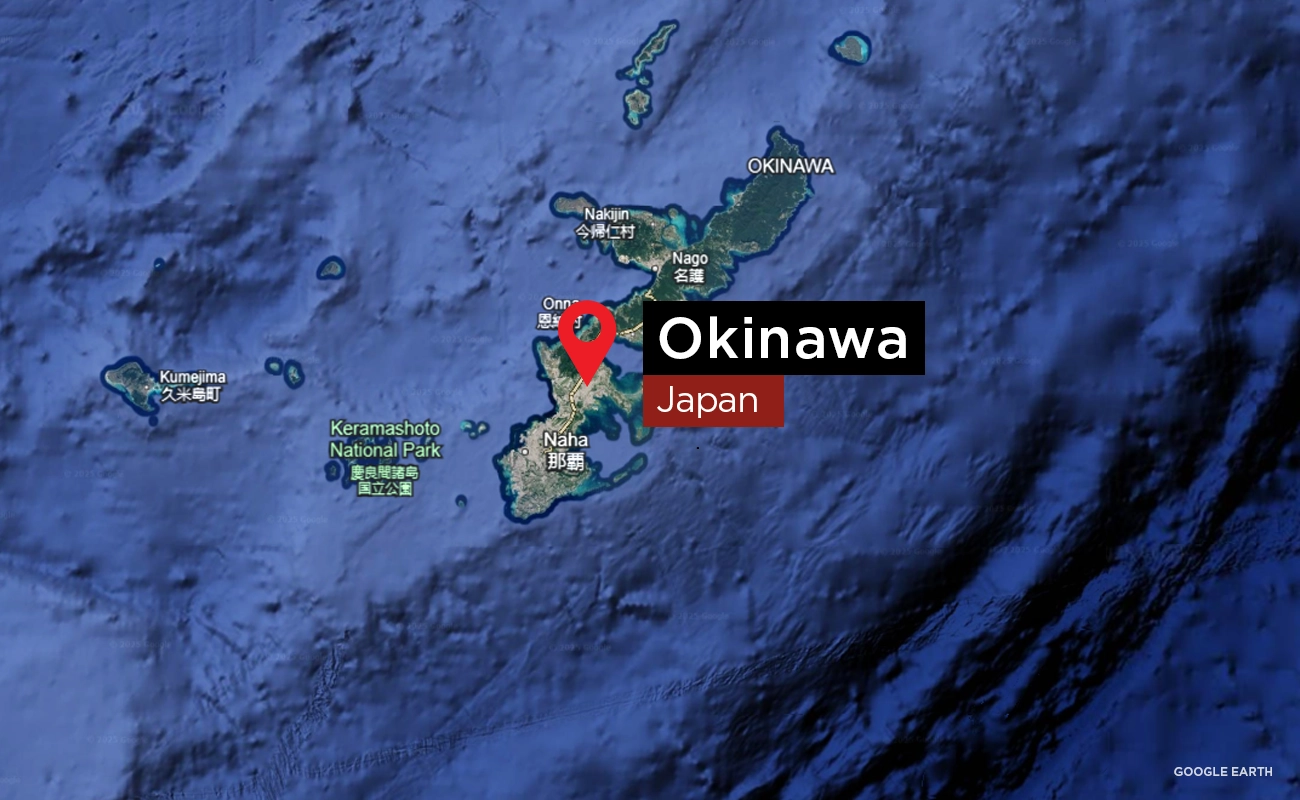
Japan’s Maritime Self-Defense Force over the weekend confirmed it has spotted Chinese aircraft carrier Liaoning and escort ships sailing near Okinawa and that landing and takeoff drills have been detected in that maritime area.
Chinese J-15 fighter jets launched from Liaoning had locked their radar onto Japanese aircraft, according to international news reports that quoted Japanese Defense Minister Shinjiro Koizumi as saying. Beijing, through Chinese media, said it was merely conducting regular flight training in “designated sea and airspace.”
The same Liaoning aircraft carrier with its escort ships, and a separate amphibious assault task group, sailed near Philippine waters over the weekend, but the movements were outside the Philippines’ exclusive economic zone (EEZ), Rear Admiral Roy Vincent Trinidad said on Tuesday, Dec. 9.
The incident prompted the navy to broaden its maritime domain monitoring beyond the West Philippine Sea.
“What’s important is that the actions, the intent, the objectives of these group sails must be transparent, and the actions of the ships, including their embarked aircraft, must be non-aggressive and abide by international law considering that the Philippines, Japan and Taiwan are all within the first island chain,” Trinidad, who is also armed forces spokesperson for the West Philippine Sea, told a press briefing in Camp Aguinaldo.
The Philippines will not be left unscathed if conflict erupts near its northern maritime borders, the navy said.
“And as mentioned by the commander-in-chief that any action in Taiwan and in Japan will surely impact on the Philippines. The AFP is monitoring developments now on a regional basis,” Trinidad said.
The Liaoning carrier battle group transited through the northeastern part of Luzon close to Okinawa, he said, while China’s amphibious assault ship passed through the eastern seaboard of the Philippines beyond the country’s EEZ.
The two formations moved far apart, roughly six to eight hundred miles from Okinawa on the Philippines’ eastern seaboard, and headed southward, based on navy tracking, Trinidad said.
“From the eastern seaboard coming from the eastern coast of Samar, malayo sa atin yun [that’s far from our waters]. Downward ang direction towards Palau and Australia… outside of our exclusive economic zone,” he said.
The incident came on the heels of increased naval drills between Philippine and Japanese forces under a visiting forces agreement that took effect last September.
Trinidad said regional allies have beefed up information sharing on the defense front.