

Manila, Philippines – Inflation, or the pace at which consumer prices rise, cooled to a three-month low in November, as softer food inflation offset the price pressures from a round of oil price hikes and higher tariffs for water and power.
The inflation print last month was 1.5 percent, slowing from October’s 1.7 percent and matching August’s reading, data released by the Philippine Statistics Authority (PSA) on Friday, Dec. 5, showed.
That outcome was within what the Bangko Sentral ng Pilipinas (BSP) had just hoped: 1.1 to 1.9 percent, bringing the 11-month tally to a safe 1.6 percent that keeps the central bank on track to meeting its full-year inflation target.
“With inflation easing, the Bangko Sentral ng Pilipinas now has more room to adjust policy rates, which could further stimulate household spending and economic activity,” a statement from Malacanang read, quoting former BSP Monetary Board member and Finance Secretary Ralph Recto who is now Executive Secretary.
The central bank said the “outlook for inflation is generally benign, remaining well within the target range over the policy horizon.”
“The Monetary Board likewise noted that the outlook for domestic economic growth has weakened,” the BSP said in a statement on Friday.
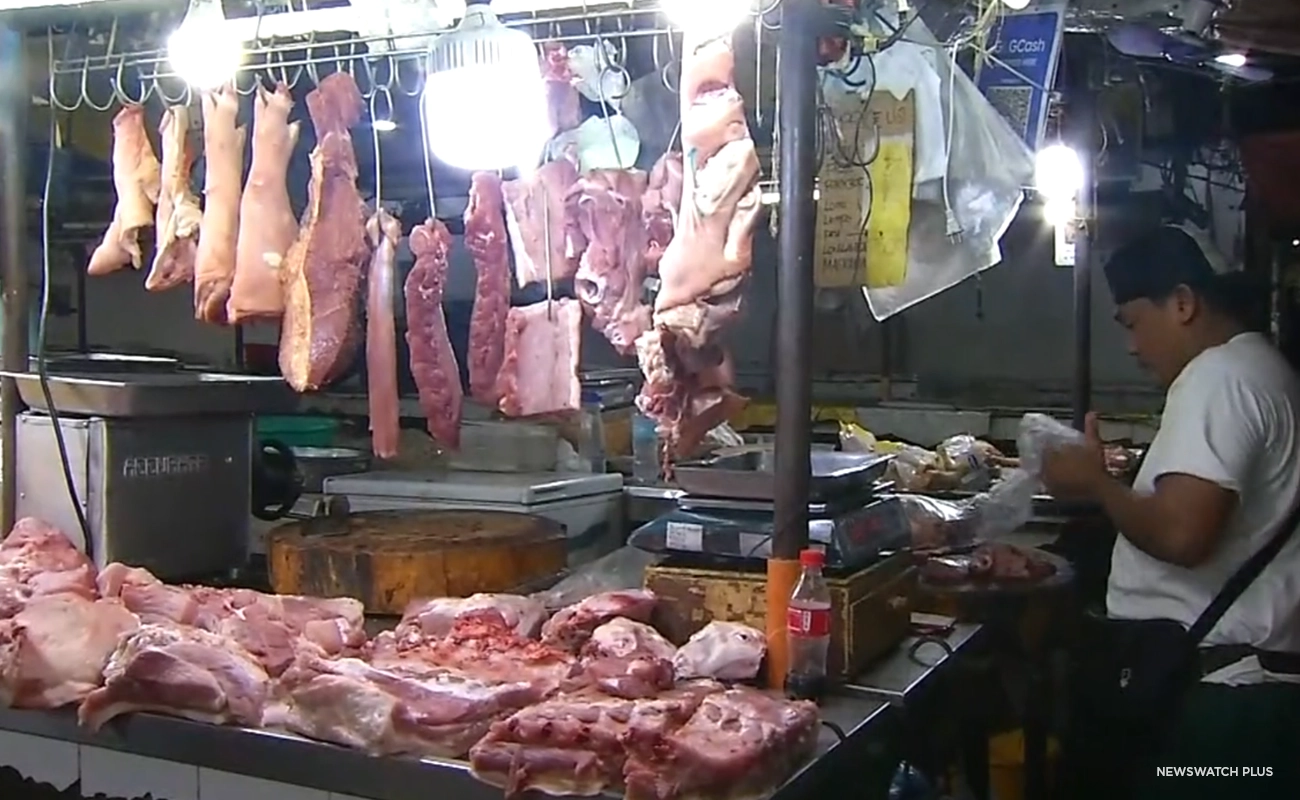
The economic team said in separate statements that it had doubled down on efforts to stabilize food prices given its import policy on rice and meat that boosted domestic supply amid constraints from the African Swine Flu.
Vegetable prices, despite storms Uwan and Verbena, were tamer at 4 percent in November compared to October’s double-digit pace of 16.4 percent, the PSA data showed.
“Ang weight kasi ng rice is 8.8 or about 9 percent. Ang food natin ay 35 percent. Kung rice ay bumaba, ang food natin naapektuhan and it has a high weight,” PSA Undersecretary Divina Gracia del Prado told a press briefing on Friday.
[TRANSLATION: The weight of rice in the food inflation basket is 8.8 or about 9 percent. Food accounts for 35 percent. Falling rice prices impact food inflation.]
Rice inflation was a negative 15.4 percent in November. Meat inflation, meanwhile, settled at 4 percent, easing from October’s 5.2 percent.
Together, softer food inflation blunted the impact of higher utility bills: both water and electricity bills rose in November.
“The Department of Agriculture is intensifying efforts to keep food prices stable through the holiday season,” Agriculture Secretary Francisco P. Tiu Laurel Jr. said in a statement.
The agency earlier enforced a maximum suggested retail price on imported rice, onion and carrots, reinstated price caps on pork, and allowed the importation of onions, carrots, meat, and fish to augment local supply and temper price spikes.