

Puerto Princesa (CNN Philippines) — As part of its mandate to rehabilitate mined–out areas in the country, the Mines and Geosciences Bureau (MGS) in Region IV-B has started restoration activities in Brgy. Sta. Lourdes, Puerto Princesa, specifically in an area mined by Palawan Quicksilver Mine, Inc. (PQMI) from 1954 to 1975.
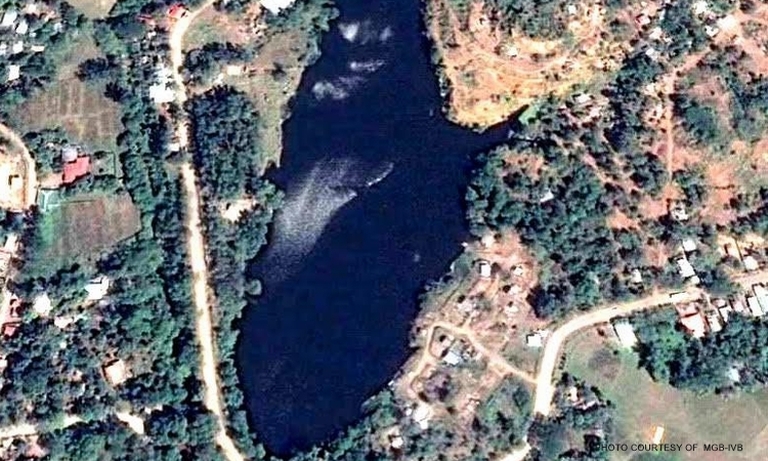
The mining left a pit measuring almost three hectares and 30 meters deep. The pit later became a lake, and a source of livelihood for surrounding communities.
However, rehabilitation efforts face resistance from some 116 families who have settled in the surrounding area a few years after the mine stopped operations. The families are concerned that rehabilitation activities will displace them.
According to Leonardo Malindin, president of Milagros Neighborhood Association of Brgy. Sta. Lourdes, the area where they are settled is titled — hence their resistance.
“Mayor Lucilo Bayron said that no one will be displaced that is why we did not sign the Memorandum of Agreement stipulating that 20 meters from the edge of the lake will be taken from our area. We were settled here before they come in because the title was issued prior to the operation of PQMI,” Malindin said.
Maindin clarified that they are not against the project because it is for the protection of the surrounding community. However, he asked: “If they are going to displace us, to whom is the protection?”
The residents fish for tilapia in the man-made lake, which they sell to their neighbors and to customers at the public market of Puerto Princesa City.
Malindin reasoned that it is necessary to catch tilapia from the area because the number of fish in the lake is increasing rapidly, which may result fish kill.
However, PQMI Rehabilitation Project Manager Melvin Requimin explained that there is a need to remove the community in the area as they are exposed to the risk of mercury contamination.
Amid community resistance, MGB continues its fencing activities to protect the community. Fishing from the lake has likewise being stopped.
Based on a risk assessment by Tetra Tech EM, Inc., the mine was ranked a second priority for rehabilitation efforts out of six priority abandoned mines, from a list of forty-four (44) abandoned sites nationwide.
According to the soil and water analysis of MGB, the mercury level in the soil has exceeded the standard of the Department of Environment and Natural Resources (DENR). The standard for mercury is .05 mg/kilogram and but samples taken in the area it is 3.5 mg/kilogram.
The P15 million DENR-funded project is composed of 3 phases. Phase 1 is the pit lake outer perimeter fencing, the second one is the inner perimeter fencing, and the last phase includes construction of pit benches, including engineering and landscaping, slope protection and vegetation and construction of a three-meter “hike-jog-bike” pathway with park lighting.
According to MGB Regional Director Roland De Jesus, the rehabilitation project is part of MGB’s mandate. “Sa new mining law kasi kailangan ang mga minahan ay mag-rehabilitate ng lugar after nila minahin, pero sa old law kasi wala ito (rehabilitation),” De Jesus said.
[Translation: “Miners are required to rehabilitate their areas under the current mining law. This does not apply to the old law.”]