

Metro Manila (CNN Philippines) — As Sen. Francis Pangilinan called on the Lower House to hurry hearings on the coco levy trust fund, the finance secretary agreed that legislation is key to making the ₱75 billion account accessible.
But the two have different ideas as to how the money should be used.
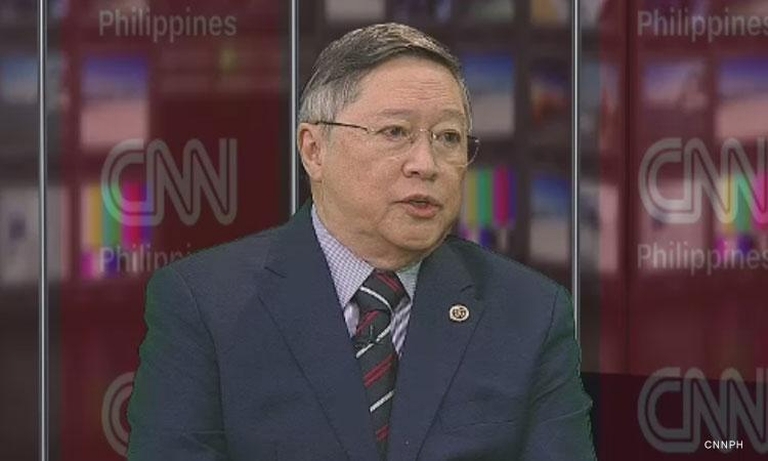
“Our proposal is establish scholarship funds, schools, training for the next generation… in the coconut farming areas,” said Dominguez. “So that those people will see something back, maybe not for them, but for their heirs and children and grandchildren.”
The money, collected for the supposed development of the coconut industry during the martial law regime, has been trapped for over forty years.
Pangilinan is an advocate of the Coconut Trust Fund Bill, which protects the money and allocates it for the use of farmers.
But for Dominguez, tracking down the farmers’ heirs to redistribute the funds will not be easy. He says that he discussed the issue with Pangilinan and respects his opinion.
“It’s very difficult to identify now who paid what,” said Dominguez. “This happened forty years ago, and I don’t know how many farmers still have the slips of (what) they paid.”
President Rodrigo Duterte has also run on a promise to return the fund, but a Supreme Court temporary restraining order prevents them from tapping it.
The court order followed two executive orders from former President Benigno Aquino III to partially transfer the money to a general fund. Now in the national treasury, the money requires new legislation to be accessed.
The Senate concluded hearings on the bill in September, and a committee report is underway.
Despite Dominguez’s suggestions, the decision on how the money will be used is up to the House.
“What form that legislation will take is really up to the Congress and the speed that which they do it is up to the Congress,” said Dominguez.