

Metro Manila (CNN Philippines) — The National Economic and Development Authority (NEDA) said the country’s growth remains on track, posting a stellar third-quarter performance at 7.1 percent.
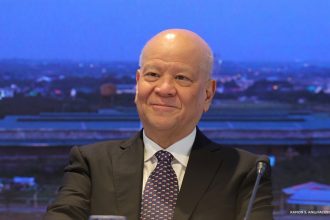
In a briefing on Thursday, Reynaldo Cancio, director of NEDA’s National Policy and Planning Staff, said the figures cement the country’s chance of achieving the growth target of 6 to 7 percent this year, as it has so far reached above the expected 6.8 percent growth.
Cancio said the country remains ahead of other Asian economies which have released growth figures for the period: China, 6.7 percent; Vietnam, 6.4 percent; Indonesia, 5 percent; Malaysia, 4.3 percent.

He added the country needs to post a 6.9 percent growth in the last quarter to reach the high end of the taget — 7 percent.
Cancio said investments are the growth drivers, in particular a 16.2 percent performance for private sector construction and 20 percent for public sector infrastructure.
Household spending grew by 7.3 percent, backed by low prices of good and services, low interest rates, better labor market conditions, and steady growth in remittances.
The government’s Pantawid Pamilyang Pilipino Program, or cash grants given to poor families to help improve their health, nutrition, and educational needs, also boosted consumer demand.
Cancio said the agricultural sector is showing signs of recovery, growing at 2.9 percent because of improving weather conditions.
The manufacturing, construction, and utilities sectors improved at 8.6 percent.
“Public administration, though expanding by 3.7 percent, slowed down compared to the previous quarters due to the waning effects of election spending,” Cancio said.
He noted a slowdown in the communications subsector, but that may be temporary as “the two large telcos went into a buyout deal with San Miguel Corporation over its control of specific frequencies.”
But Cancio added, “All things considered, our economy’s strong growth in the third quarter is a very good sign of things to come.”
He said the country must assist the agricultural sector to “transition to higher value crops and strengthen agro-industrial linkages.”
The objective, he added, is to “reduce the vulnerability of the sector to natural calamities.”
Cancio said possible risks to the economy include a possible recurrence of La Niña or excessive and prolonged rainfall, sluggish recovery in Europe, economic uncertainties in the U.S. and UK., resurgence of the “Saudization” policy (the replacement of foreign workers with Saudi nationals), and peace talks between government and rebel groups.
“Ultimately, what we should be concerned about is how the growth prospects for this year and beyond will translate to poverty reduction and improvements in the quality of life of Filipinos for the next six years,” he said.