

Metro Manila (CNN Philippines) — Come December, penalties for traffic violations all over Metro Manila will be standardized – and violators will pay a steeper price.
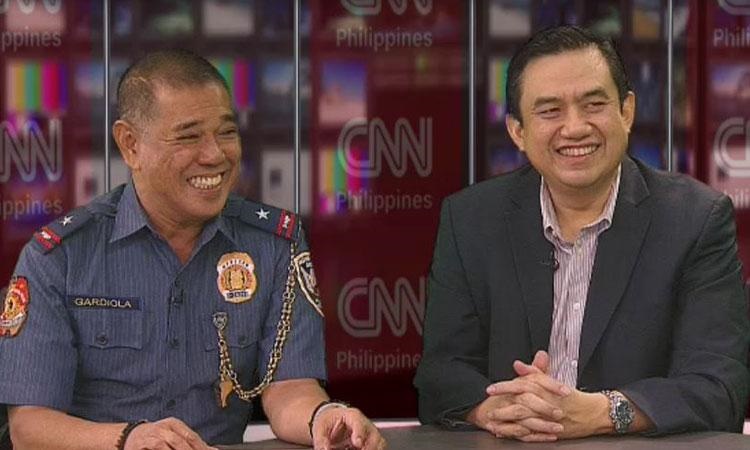
“The last meeting we had with the local government enforcers, they came to the decision to raise all the penalties,” Antonio Gardiola, Chief of the Philippine National Police Highway Patrol Group told The Source on Thursday.
This includes the increase of the coding violation from ₱300 to ₱1,000, Metro Manila Development Authority (MMDA) General Manager Thomas Orbos announced. Fees can be paid online or straight to the MMDA.
Local government officials assigned to patrol may apprehend violators, but only enforcers deputized by the Land Transportation Office are authorized to confiscate licenses. If caught three times in a day, the violator will have to attend a mandatory seminar.
The raise in penalties falls in line with the upcoming centralized ticketing system. Orbos says that if the new rates are agreed upon, the scheme can take effect before Christmas.
Related: DOTr, PNP and MMDA to implement unified traffic enforcement system
The new system is estimated to cost ₱16 billion, and will be undertaken within four to five years. Orbos remarked that this amount is not much when the country loses ₱2 billion a day due to traffic.
A single ticketing scheme was also launched in 2012 under former MMDA Chairman Francis Tolentino. Gardiola says that this version of the scheme integrates national laws like the Land Transportation and Traffic Code on top of the ordinances in different cities.
Related: Metro Manila mayors join DOTr unified traffic enforcement scheme
The increase in penalties is the latest measure in efforts to reduce traffic. Previously, an extension of coding hours and expansion of the coding scheme was announced.
Related: Coding hours to be extended, coverage area to be expanded
However, Gardiola maintains that the single ticketing system “cannot be a long-term solution.” Because the force is still run by manpower, they can only handle enforcement and education in traffic, but not aspects like engineering, environment, and economics.
“What I really recommended to the Congress for the long term solution is for… automation, like what our neighboring Asian countries have done already,” said Gardiola. “Coordinated through this system, they have (a) computer system… and it is interconnected.”
MMDA is also keeping its eyes peeled for colorum buses and illegal parking.