

Metro Manila (CNN Philippines, September 6) —The Health Department is reminding the public to step up preventive measures to avoid mosquito-borne diseases – including the lesser-known Japanese encephalitis (JE) – this rainy season.
In a press release on Wednesday, the Department of Health warned cases of mosquito-borne diseases such as dengue, chikungunya, and Japanese encephalitis typically rise during the rainy season.
“I urge the public to take JE preventive measures following the 4-S against dengue and other mosquito-borne diseases. This includes getting rid of standing water, maintaining environmental cleanliness and eliminating potential breeding places of mosquitoes – not only within our homes, but in the entire community,” Sec. Paulyn Rosell-Ubial said.
The 4S campaign is the department’s way to curb mosquito-borne diseases. It stands for “Search & destroy mosquito breeding places, use Self-protection measures, Seek early consultation for fever lasting more than 2 days, and Say yes to fogging when there is an impending outbreak,” according to the DOH website.
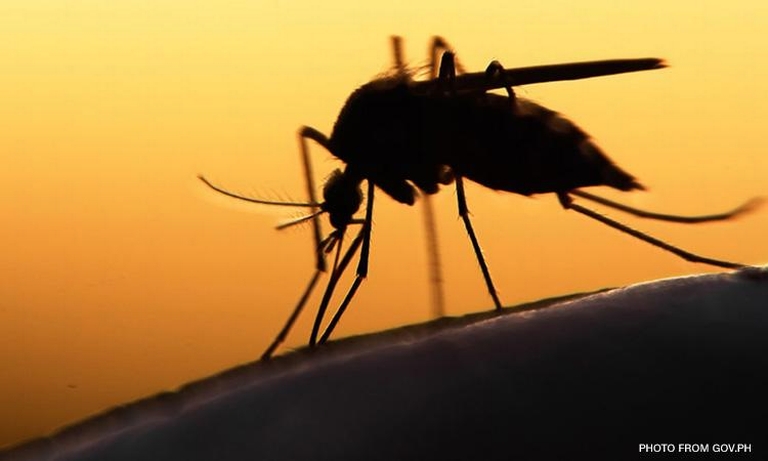
The Health Department also warned of Japanese Encephalitis, a viral disease transmitted through the bite of the Culex tritaeniorhyncus mosquito.
JE, which is characterized by inflammation of the brain (encephalitis), is endemic to the Philippines. Transmission may occur year-round, but those infected may not have telltale signs from 5 to 15 days after mosquito bites.
The mosquito often thrives in rural and agricultural areas and is active both day and night. In urban areas, they go to houses with water storage containers.
Signs and symptoms of the virus include fever, chills, nausea, vomiting, and confusion. In severe cases, it may lead to neck stiffness, seizures, paralysis, coma, and possible death.
The DOH urged LGUs to be proactive in reporting and responding to suspected cases of the virus.
When we get sick or our children develop fever for two days or flu-like symptoms, seek immediate consultation at the nearest health facilities,” Ubial added.
However, it clarified there was no outbreak of the virus this year. Only nine people have died of it so far in 2017– lower than 13 in the same period last year.
It added, it has plans to introduce JE vaccination for children in 2018 but said prevention of the virus, like dengue, should focus on the “identification and destruction of mosquito breeding sites and environmental cleanliness.”
CNN Philippines’ JC Gotinga contributed to this report.