

Metro Manila (CNN Philippines, May 2) — According to Save the Children Foundation, 1 in 3 children below 5 years old in the Philippines is malnourished.
A study by the Food and Nutrition Research Institute says that 26 percent of children up to 2 years old suffer from chronic malnutrition, the highest number in 10 years.
Nutritionist Joann Espiritu says malnutrition doesn’t affect only those who live in extreme poverty.
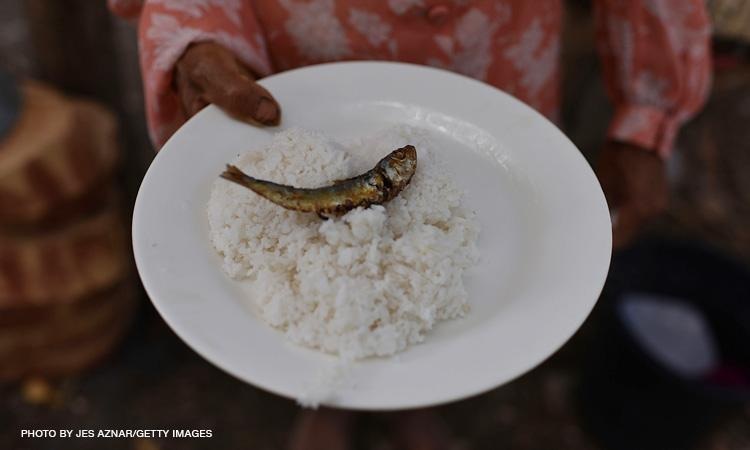
Many children, including those in poor communities, may have access to food, but they’re not eating right, because parents lack basic knowledge on proper nutrition.
“Mga long-term effects ay unang una mabagal ng paglaki, pagtaas ng timbang so ikalawa maari maapektuhan yung kanyang brain development… Yung kanyang motor development maaring ma-delay din sa panahon ng pag aral maaring maging school dropout din dahil mabagal yung kanyang pag pick up ng…mahina yung pag intindi niya,” Espiritu said.
[Translation: The long-term effects will be, first, the slowing down of growth and weight gain, so, secondly, brain development may be affected… Motor development may also be delayed, and cognitive skills as well.]
Because of this, the National Nutrition council or NNC under the Health Department is launching an action plan for nutrition.
Read: DOH launches blueprint to curb nutrition deficiencies among Filipino children
The program seeks to get commitment from partners and stakeholders, especially local government units, to support services.
The NNC reminds parents that as a rule of thumb, children past the breastfeeding age should always have four things on their plate: carbohydrates, protein, vegetables, and plenty of fruit.
Stay-at-home mom Hazel Torrico Milano’s youngest son was was declared malnourished about a year ago by the nutrition staff in Barangay Daang Hari, Taguig.
Her son, then 5 years old, was underweight and lacked basic vitamins and nutrients.
The boy underwent the local health center’s therapy of vitamins, milk, and most importantly plenty of fruits and vegetables.
Her neighbor, Amelia Aguila, also had her youngest son undergo the health center’s recommended diet.
To add fruits and vegetables to her child’s diet, she decided to grow vegetables from seeds provided by the barangay.
Aguila said she noticed her child has become more lively since following the diet plan.
Billions lost to malnutrition
A report released by international non-government organization Save the Children in September 2016 says the country loses billions each year due to the effects of malnutrition.
According to the report entitled, “Cost of Hunger: Philippines,” malnutrition in the country has resulted in childhood stunting – “the most prevalent kind of undernutrition which has permanent effects on a child’s growth and development.”
Read: Malnutrition in Philippines costs P328-B yearly
Save the Children said that children who were stunted in the first two years of their lives would tend to drop out of schools and repeat grade levels.
The result from this is that members of the workforce who “experienced childhood stunting have lower income levels. In addition, child deaths result in a loss of income for both the family and the country.”
In 2013, education and productivity losses due to childhood stunting amounted to ₱328 billion. This was almost 3 percent of the year’s GDP.
CNN Philippines’ Pia Garcia contributed to this report.