

Metro Manila (CNN Philippines, December 21) — Health advocates are calling on lawmakers to raise tobacco taxes to help fund universal health care.
In a statement released Wednesday, health advocates said the ₱2.50 tobacco tax rate under the recently-signed tax reform law would not be enough to either deter people from smoking or provide funds to patients who would benefit from free healthcare services.
RELATED: Duterte signs tax reform bill, 2018 budget into law
According to the statement of Action for Economic Reforms, the tobacco tax increase in the Tax Reform for Acceleration and Inclusion (TRAIN) will result in only ₱4 billion additional revenue. The incremental revenue in 2013, a year after the passage of the Sin Tax Law, was ₱41.82 billion.
The Action for Economic Reforms is a non-government research and advocacy organization that looks into the country’s fiscal and tax policies.
Dr. Antonio Dans, one of the convenors of the Sin Tax Coalition, said patients in government hospitals were completing treatments because the government got automatic appropriations for healthcare under the Sin Tax Law.
“With a marginal tobacco tax rate passed in TRAIN, we are worried that the people will not be able to get their wishes of getting free healthcare and medicine assistance even for out-patient care. The senators will have a chance to correct this if they are going to pass a higher tobacco tax rate when the session resumes next year,” explained Dans.
RELATED: Lower income tax, higher taxes on sugar, petroleum, tobacco products by 2018
The TRAIN bill merely incorporated a meager ₱2.50 ($ 0.05) excise tax on tobacco. This means a pack of cigarettes which now costs ₱30 ($0.60), will cost ₱32.50 from January until June 2018, then ₱35 until December 2019, ₱37.50 until 2021, then ₱40 until 2023, with an increase in tax of four percent annually from 2023 onwards.
Dans added the tobacco tax increase next year will result in “150,000 additional new smokers from the young and the poor.”
Health advocates said the earmarking provision in the Sin Tax law is in danger because of possible removal of funds dedicated for Universal Health Care because of TRAIN’s amendment to the Sin Tax law.
The statement explained the earmarking provision in the Sin Tax law assured that 85 percent of the incremental revenues from tobacco will go to universal healthcare and 15 percent was earmarked for the tobacco-growing regions.
However, this was amended under TRAIN, saying for five years beginning 2018, 70 percent of incremental revenues will be given to infrastructure.
The remaining 30 percent will go to public social services.
Earlier, a regional anti-smoking alliance warned of a possible spike in the number of smokers in the country after Congress failed to pass a higher tobacco tax as part of a key tax reform bill.
READ: Measly increase in tobacco tax in TRAIN to increase number of smokers in PH
“The very small tax increase is both alarming and unsatisfactory because it is totally inadequate to further discourage youth from smoking and to generate revenues to finance the expanded universal health care in the medium to long-term,” said Sopaphan Ratanachena, Tobacco Tax Program Manager of the Southeast Asia Tobacco Control Alliance (SATCA) in Bangkok.
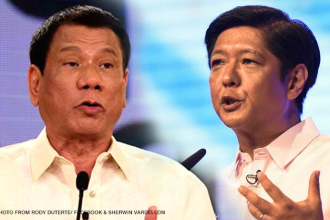
President Rodrigo Duterte on Tuesday signed the tax reform bill into law, calling it “the administration’s biggest Christmas gift to the Filipino people.”
Under the measure, those earning ₱250,000 or less a year would be exempt from income tax, while 13th month pay and bonuses up to ₱90,000 would also be tax-free.
Budget Secretary Benjamin Diokno said the adjustment in take-home pay of workers covered by the tax reform bill would be reflected in their first paycheck of 2018.
However, the bill hikes taxes on petroleum products, as well as various consumer goods like sugar, sweetened beverages, and coal which could lead to higher electricity prices.
CNN Philippines Senior Editor Lara Parpan and Digital Producers Pia Garcia and Chad de Guzman contributed to this story.