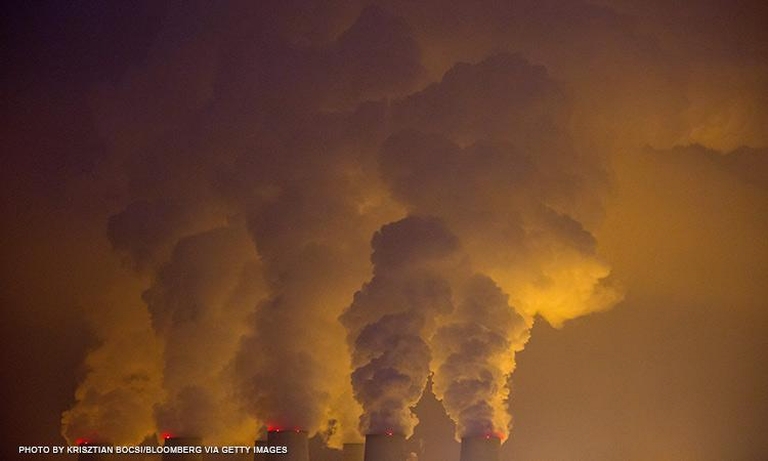


In the final version of the Tax Reform for Acceleration and Inclusion (TRAIN) ratified late on Wednesday, all domestic and imported coal will be levied an excise tax of P50 per metric ton, up from its current rate of P10 per metric ton. The tax climbs even higher to P100 and P150 per metric ton in 2019 and 2020, respectively.
This partially overturns Presidential Decree 972 which exempts all local coal producers and operators from excise and value-added tax (VAT).
“Previously, domestic coal was not subject to excise tax. Now under the TRAIN bill, both domestic and imported [coal] will be subject to an excise tax…” Senator Sonny Angara, chair of the Senate ways and means committee, told reporters at the sidelines of the plenary session.
Local coal companies will be able to keep their VAT perks for now, he added, but Congress will discuss whether or not these should be revoked when the next phase of the tax reform is discussed next year.
The coal tax is a major victory for Senators Loren Legarda and Joel Villanueva who proposed the tax hike and the repeal of PD 972.
It very nearly did not go through, as the earlier version of the tax reform bill exempted local companies from the coal tax — a change, they claimed, was done under the table.
READ: Senators warn tax reform bill may not pass due to disagreement on coal tax
“Dito sa bicameral ng TRAIN, dalawang report parehong nirepeal ang PD 972. So hindi mo na kailangan pag-usapan yun diba. But it turned out ngayon lumalabas na binago yun. So parang totoo talaga na may Third Congress,” Villaneuva said at the start of deliberations.
[Translation: At the bicameral conference on TRAIN, both the House and Senate reports repealed PD 972. So we didn’t even have to talk about it. But it turned out now, the provision has been changed. So I guess it’s true there really is a Third Congress.]
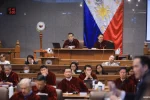
Both Legarda and Villanueva threatened to pull their support for the tax reform if the changes weren’t justified, and the Senate called a caucus before the plenary began.
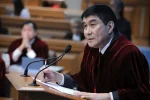
“Show me. Show me the transcript where that was discussed.” Legarda said. “Ni minsan wala sa transcript nakalagay na para sa imported coal lamang. Huwag natin lilihisin ang usapan.”
[Translation: Not once in the transcript is it written that only imported coal would be covered. Let’s not change the discussion.]
Angara, meanwhile, clarified there were no irregularities in discussions, only a misunderstanding between the Senate and the House lawmakers.
The lower house, he explained, thought that any tax perks should be repealed only in the next phase of tax reform. Senator Legarda, meanwhile, thought the current bill was the chance to overhaul coal taxes completely.
“So, we had to meet halfway somewhere and that was keep the VAT exemption but impose the excise tax,” Angara said.
As for Villanueva, he alleged that businesses must have lobbied for the changes to the coal tax. “Isa lang naman ang major producer ng coal sa bansa natin eh (Translation: There’s only one major producer of coal in our country),” he hinted, then later named the Consunji-led coal miner Semirara Mining and Power Corp.
Media reports earlier quoted Semirara Chair and Chief Executive Officer Isidro Consunji as saying the coal tax was “unfair” and “discriminatory.”
Metro Manila (CNN Philippines, December 14) — All coal producers, both local and foreign, will face a 400% tax increase next year, as environmental advocates prevailed in the final tax reform deliberations in the Senate.