

Metro Manila (CNN Philippines, September 24) — Public spending further sped up in August as the government released more subsidies and local government funds, the Bureau of the Treasury said.
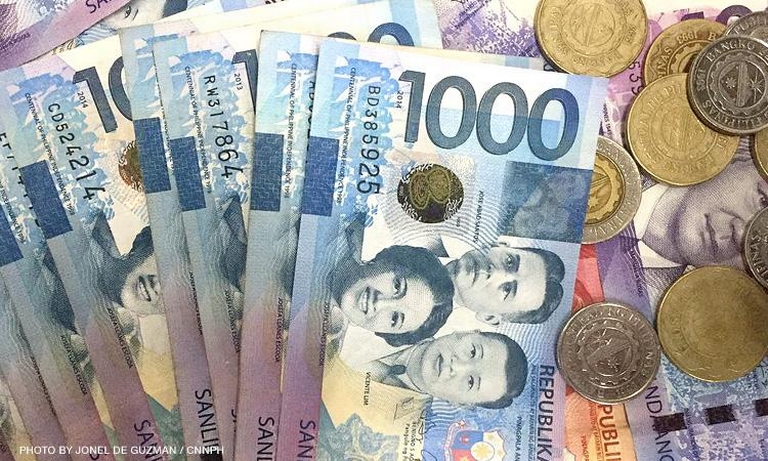
The government spent ₱282.2 billion during the month, marking an 8.8 percent increase from the amount disbursed in August 2018. The Treasury said this was the fastest pickup in budget releases since February, and sustains the trend for expenditures.
Spending rose as the national government extended more subsidies to state-run corporations and downloaded funds allotted to local government units. Removing interest payments, which dropped by 30.7 percent year-on-year, actual spending grew by 13.6 percent versus last year.
The bureau took it as a sign that “disbursements may have started to pick up” ever since the 2019 budget bill was signed into law last April. This delay has also been blamed for lackluster growth, which averaged 5.5 percent in the first half versus a 6-7 percent goal.
Stronger revenue collections came alongside increased state spending, data showed. The government raised ₱279.7 billion in August, spelling an 8.9 percent gain from last year. The Bureau of Internal Revenue was the biggest growth driver as it saw collections pick up by 11 percent to ₱205.6 billion.
The Bureau of Customs added ₱53.6 billion, while the Treasury also contributed ₱5.9 billion from higher interest incomes on state deposit and higher dividends from the Philippine Amusement and Gaming Corporation.
This led to a ₱2.5-billion budget deficit, which is a tad narrower compared to the ₱2.6-billion gap tallied in August 2018.
For the first eight months, the state spent ₱2.212 trillion and raised ₱2.091 trillion revenues to leave a ₱120.4-billion fiscal gap. This, however, is barely half the ₱282 billion deficit recorded from January-August last year.
Being a developing economy, the Philippines runs on a budget deficit so that it can start new and high-impact projects even if the funds needed are beyond what it can currently raise. On top of taxes, the government relies on issuing debt papers, as well as foreign loans to finance big projects, including big-ticket infrastructure.
Robert Dan Roces, economist at Security Bank, said that while the latest spending data has improved, the government’s growth targets may still be out of reach.
“Growth of 6.0 percent for the Q3 and the second half of 2019 is proving to be increasingly challenging, if conditional upon the speed of project deliveries and spending,” Roces said in a market commentary. “Government spending, we posit, will carry the heavier burden of driving Philippine economic performance for the rest of the year.”
The Duterte administration wants to spend about ₱3.6 trillion this year, which includes roughly ₱1 trillion for infrastructure, according to data from the Budget department. The government is barely two-thirds into the target with four months left in the year.