

READ: https://t.co/4RZ0h4WNZ8
— Leila de Lima (@SenLeiladeLima) September 26, 2020
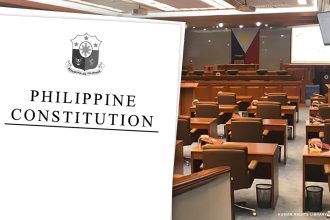
Metro Manila (CNN Philippines, September 26) — Senator Leila de Lima again filed a measure seeking to define and criminalize extrajudicial killings, with tough penalties against government officials found guilty of abetting the crimes.
READ: PH gov’t drug war worsened amid COVID-19 pandemic
This is the third time De Lima introduced a proposed Anti-Extrajudicial Killings Act. The first two failed to hurdle Congress.
Senate Bill No. 1842, filed early this week, defines EJK as the unlawful or arbitrary killing by state agents or other individuals. It includes killings perpetrated “under actual or apparent authority, or color of law, or upon the instruction of, or under the direction or control of, or by policy, order or behest of, the State.”
It further specifies EJKs done with the “complicity, tolerance, connivance, acknowledgment, adoption, ratification or acquiescence” of the government.
The bill wants EJKs to cover killings that government agencies fail to conduct effective investigation into, resulting in degradation of human rights. It tasks the Department of Justice, in cooperation with the Commission on Human Rights, to ensure that prosecutors and investigators assigned to look into alleged EJKs have the training and education on human rights.
It also proposes that officials “who allowed the act or abetted in the consummation of extrajudicial killing” be held liable as principals to the crime, particularly those whose position mandate them to stop or uncover the killings.
Once the bill is passed into law, perpetrators and officials considered as principals will face reclusion perpetua or imprisonment of up to 40 years without the benefit of parole. The same penalty awaits those who “directly ordered, solicited, forced, instigated, encouraged or induced others to commit the act of extrajudicial killing.” Other conspirators, including the perpetrators’ superiors who fail to take all necessary measures to prevent the crime or submit the matter for investigation and prosecution shall also serve decades in jail.
In a statement on Saturday, De Lima said one of the most salient provisions of the bill is the prima facie case or presumption of liability on the President, heads of the police and military or other officials when a victim dies while in the custody or protection of the state or in the hands of authorities. When there is a rise in EJKs or summary executions, or when there is lack of transparency in the documentation of the killings, the concerned officials are to be held liable.
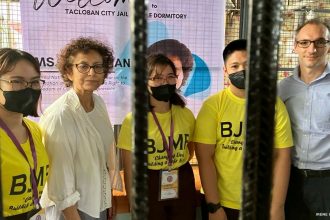
“This provision would be a powerful deterrent that would make the perpetrators of EJKs think twice before pulling the trigger because they could no longer hide behind the flimsy excuse of impulse,” De Lima said in a dispatch from jail. She has been detained on drug charges, but the senator calls it political persecution as a result of her criticisms of President Rodrigo Duterte’s bloody war on drugs.
READ: UN rights chief: Revoke PH policies, rhetoric that lead to killings and abuses
De Lima’s bill seeks varying degrees of punishment for those found to be accessories to the crime, including those who have information on the case but do not report it, those who attempted to commit EJKs, and investigating authorities who fail to immediately probe the incident.
Government agencies are also required to grant victims’ relatives, lawyers, and human rights organizations access to all information regarding the EJK.
A Human Rights Violations Victims Reparations Fund shall be created, to be managed by the CHR, to compensate EJK victims and their families. It shall have a budget of ₱20 million or higher annually.
Latest government data show 5,856 suspects have been killed in anti-drug operations. Local and international human rights groups say there have been thousands more extrajudicial killings since Duterte launched his war on drugs and talked violence against drug users in his public pronouncements.
Duterte, in his first appearance at the United Nations General Assembly, assured that his government remains committed to protecting citizens’ human rights amid allegations of drug-war killings and human rights violations in the country. The Philippines is also facing possible trade sanctions from the European Union Parliament if it fails to act on alleged abuses.