

Metro Manila (CNN Philippines, July 22) – Government spending surged from January to June on emergency expenses due to the COVID-19 crisis, but delayed releases for the government’s cash aid program resulted in missed targets.
The Bureau of the Treasury reported on Wednesday a 26.7 percent jump in public spending for June alone at ₱349.2 billion, boosted by subsidies released to the Philippine Health Insurance Corporation, or PhilHealth, and to the National Housing Authority.
PhilHealth vowed to cover the cost of COVID-19 testing and treatment of Filipinos at a maximum of ₱786,384 while cases continued to rise.
June’s additional spending brought the first semester tally to ₱2.01 trillion, up by 26.6 percent during the same period in 2019. However, it fell short of the already revised spending target of ₱2.2 trillion.
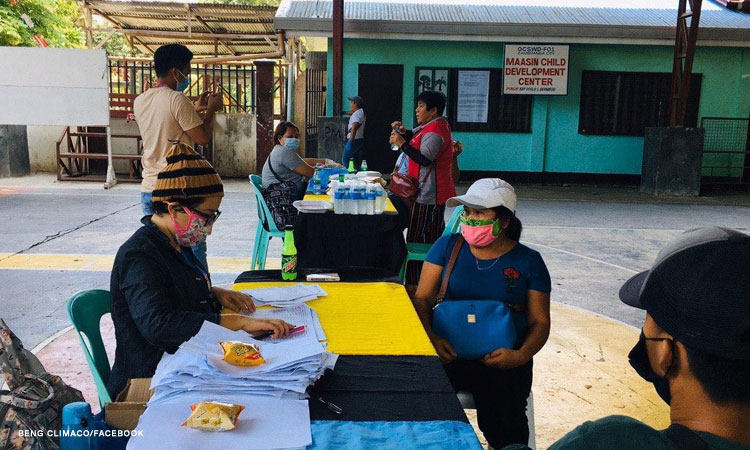
The Treasury attributed the shortfall to the delayed distribution of the second tranche of the Social Amelioration Program, which was launched to provide cash aid worth ₱5,000-₱8,000 to millions of poor families most affected by the lockdowns from March to May.
The Department of Social Welfare and Development handles the fund releases and is still struggling to complete the second set of releases this month.
June saw a 50 percent surge in state revenues to ₱351 billion, boosted by the tax payment deadline which was delayed by two months due to lockdown woes. The resumption of more business operations also added to tax payments, with the Bureau of Internal Revenue raking in ₱282.7 billion.
The Bureau of Customs collected ₱42.6 billion for the month, down by nearly a fifth from last year amid a dip in import volumes. On the other hand, non-tax revenues rose by a tenth to ₱25.6 billion.
The June spike in collections pushed the six-month revenue haul to ₱1.45 trillion, matching the target for the period although still 6 percent lower than last year’s tally.
This led to a ₱560.4 billion deficit at end-June, which is 13 times wider than the ₱42.6 billion budget gap a year ago. Still, this is way below the ₱751.1 billion ceiling, which suggests that the government did not spend as much as it was supposed to.
As a developing economy, the Philippines spends more than what it can raise to support new programs and high-impact projects that would elevate the standard of living and boost the local business climate, such as better basic services and improved infrastructure.
With the COVID-19 pandemic, President Rodrigo Duterte’s economic managers have conceded to a recession in 2020 and a wider fiscal gap, but they’re aiming for a bounce back to growth next year.
The full-year deficit for 2020 is expected at ₱1.6 trillion, equivalent to 8.4 percent of the gross domestic product. The funding gap will be financed through loans from local and foreign sources.
RELATED: PhilHealth wants delayed implementation of Universal Healthcare Law over low collections
RELATED: Recovery from huge economic losses due to pandemic will take years, ADB says
RELATED: PH debt nears ₱9 trillion with surge in loans for pandemic response