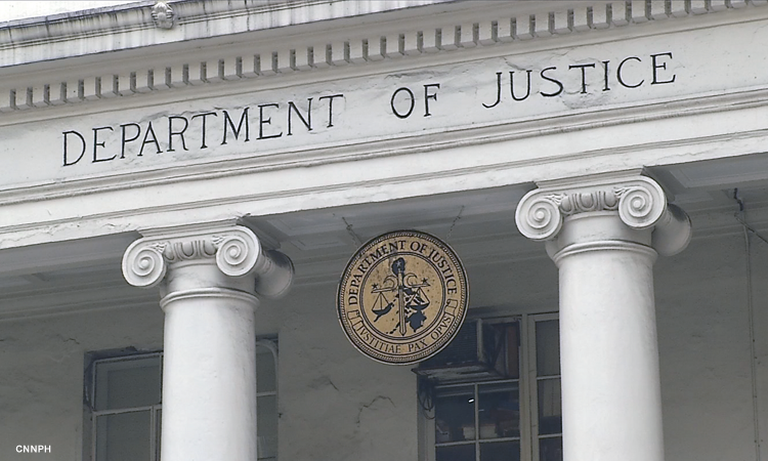

Metro Manila (CNN Philippines, June 8) — The current COVID-19 crisis is no reason to ignore security concerns in the country, according to the Department of Justice (DOJ).
On Monday, Justice spokesperson Markk Perete said, “Even at the start of the pandemic, yung ating mga agencies in multinational security have been very alert and have repeatedly informed us na kailangang hindi natin tigilan yung pagbabantay sa mga possible terrorist activities. Especially because in times of a pandemic e baka i-exploit nila ang pagkakataon na ito.”
When asked of the DOJ’s opinion on the proposed anti-terrorism bill, Perete said he would refrain from expressing it until the DOJ has completed its review.
However, he did say that people had little to fear of the proposed law.
“I would say at this point na based on a cursory reading of the provisions of the bill, the proposed law, it would seem na marami yung hinahanap niyang elements before a specific act may be considered a terrorist act or an act that is covered by the proposed law… Bringing attention to one of the provisions of the law which says hindi niya, in essence pinipigilan yung dissent, yung opposition, yung criticism against the government. That, I think should somehow calm the concerns of certain quarters over the possible abuses di umano na posibleng ma-commit using the anti-terrorism act,” he said.
The proposed measure, certified by President Rodrigo Duterte as urgent, will repeal Human Security Act of 2007 by giving more surveillance powers to government forces. Critics of the measure say it relaxes safeguards on human rights.
One of its contentious provisions is allowing the detention of suspected terrorists for up to 24 days even without a warrant of arrest. Once enacted, law enforcers can conduct surveillance on suspected terrorists for up to 90 days.
Under the current law, detention without warrant of arrest should only be up to three days, while surveillance is up to 30 days only.
Meanwhile, several lawmakers have withdrawn their support of the proposed bill, among them Albay second district Rep. Joey Salceda.
“Without a bicameral conference, there will be no opportunity for House members to help address the abovementioned reservations,” Salceda said in a letter to House Secretary-General Jose Luis Montales, where he also asked that his vote be registered as an abstention.
Salceda said some sections of the bill may affect the right to privacy of individuals.
Other lawmakers who reversed their previous votes were Antique Rep. Loren Legarda, Agusan del Norte Rep. Lawrence Fortun, and Muntinlupa Rep. Ruffy Biazon.