

Metro Manila (CNN Philippines, May 27) — Information literacy must be promoted among students to help them discern accurate data especially during a global health crisis, a Department of Education official said.
Malaluan said it is not enough for students to understand the literal meaning of words, but they also have to deal with conflicting opinions, and conflicting evidence, as to be weighed by learners.
“This is an [information literacy] area that we really need to strengthen, especially with multiple sources of information,” he said.
Senator Pia Cayetano, chairman of the committee, said the period during COVID-19 pandemic should be used to teach kids to verify information before sharing anything online.
“If we can create a generation of not just intelligent, but discerning young people who will take advantage of this time of COVID to learn to analyze information, ang laking pagbabago ng generation [there will be a big difference],” she said.
Cayetano added that young people tend to carelessly share fake news online that create misinformation. She said it only takes five to ten minutes to verify a source and an information that is supposedly worth sharing.
Meanwhile, Malaluan noted that there is a correlation between the lack of information literacy and the level of reading proficiency skills of Filipino students.
RELATED: DepEd: low gov’t spending, lack in teacher training behind low PH ranking in PISA
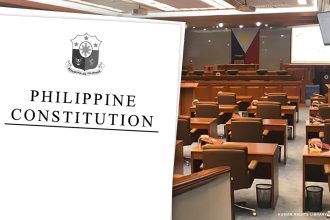
“Information, whether supported or not by scientific evidence, are really out there and can move decisions, policies, opinions of people across all facets of life,” DepEd Undersecretary Nepomuceno Malaluan said during Wednesday’s hearing of the Senate Committee on Sustainable Development Goals, Innovation, and Futures Thinking.
In the 2018 Programme for the International Student Assessment (PISA), the Philippines ranked last among 79 countries in the global survey done by the Organization for Economic Co-operation and Development (OECD) assessing 15-year-old students.
The country averaged a reading score of 340.
“In fact, in the PISA results, information literacy played a big role in our low performance in reading,” Malaluan said.
Cayetano said that teaching the youth to be responsible internet consumers will alter the online presence of Filipinos.