

Metro Manila (CNN Philippines, April 7) — Children are likely to transmit the virus responsible for COVID-19 even if they do not show symptoms, according to a pediatric specialist.
“What we do understand about this virus now is there is what we call a pre-symptomatic transmission phase. So that’s the case with most of the patients— that’s the information that we have for most of the cases that have been studied, which is adult. We don’t know yet if that’s the case in children, but it seems to make sense,” Dr. Anna Lisa Ong-Lim, president of the Pediatric Infectious Disease Society of the Philippines told CNN Philippines on Monday, citing review of published literature on coronavirus disease.
Ong-Lim explained that a pre-symptomatic phase of COVID-19 means a person could transmit the viral disease two days before the symptoms start to show.
In the Philippines, around 1.2 percent of about 3,000 patients with coronavirus disease in the country are children, Ong-Lim said. But she added this figure does not the “actually show us the total picture.”
According to a CNN Philippines tally based on the DOH tracker and reports from local government units, at least 32 children aged 5 months to 17 years old have been infected with the virus as of April 5.
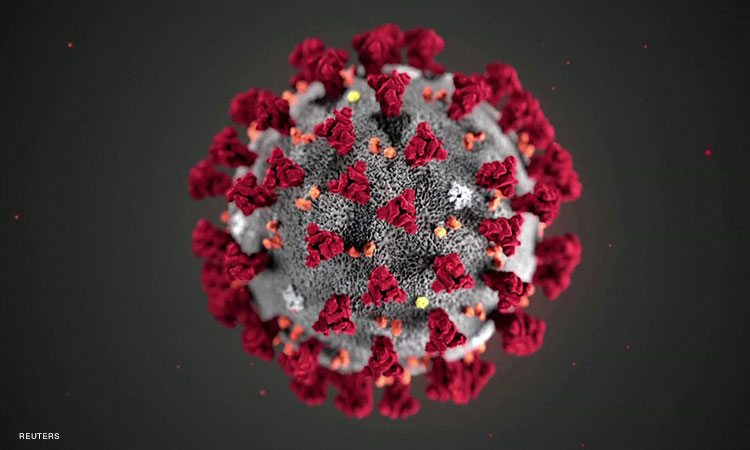
The official name of the virus that causes COVID-19 is severe acute respiratory syndrome coronavirus 2 or SARS-CoV-2.
How do they contract COVID-19?
The health expert said most kids will get it from COVID-19-infected family members whom they came in close contact with.
This is why it is crucial for a household member who is ill to self-quarantine “at the earliest possible time” to avoid spreading the infection to other family members, including kids, Ong-Lim stressed.
How does coronavirus affect them?
Experts are still learning about the effects of COVID-19 to children.
And while more and more kids are being confirmed to have the viral disease, they “will have a fairly benign course,” the health expert said, referring to available research.
Ong-Lim noted, “In the studies that have been published, 90 percent of kids will recover.” Whereas in adults, there is a certain proportion who will become severe to critical.
The Department of Health earlier pointed out elderly people, women with high-risk pregnancy and immunocompromised persons or those with weakened immune system are groups that are at higher risk of infection or have a higher percentage of fatalities.
Ong Lim said “it is thought that this could be a function of the immune response.”
The country now has 3,660 COVID-19 cases, with 163 deaths and 73 recoveries.
President Rodrigo Duterte had earlier approved the recommendations of the Inter-Agency Task Force for the Management of the Emerging Infectious Diseases to restrict the movement of people, ordering most except for those rendering vital services to stay at home in a bid to stem the spread of COVID-19.
The quarantine is scheduled to last until April 12, but Duterte said on Monday the government is “inclined to extend the lockdown up to April 30.”