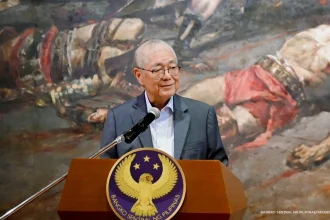


Metro Manila (CNN Philippines, April 30) — Acting Socioeconomic Planning Secretary Karl Chua said remittances are unlikely to falter even during the COVID-19 pandemic, as the diversity in professions would allow others to keep making money to send home to their loved ones.
Chua said that while thousands of workers are coming home because of job losses abroad, thousands more continue to earn dollars elsewhere despite the lockdowns.
“Our OFWs are one of our biggest contributors to the economy… The good thing about the profile of our OFWs is they are in a very diverse field. Even with the COVID-19 pandemic, many of them are working in healthcare, and they are actively employed and they can help and send back remittances. Many of them are working in professional services and they are working from home,” the Cabinet official said in a media forum hosted by the Foreign Correspondents Association of the Philippines.
READ: IMF chief: Global economy now in recession
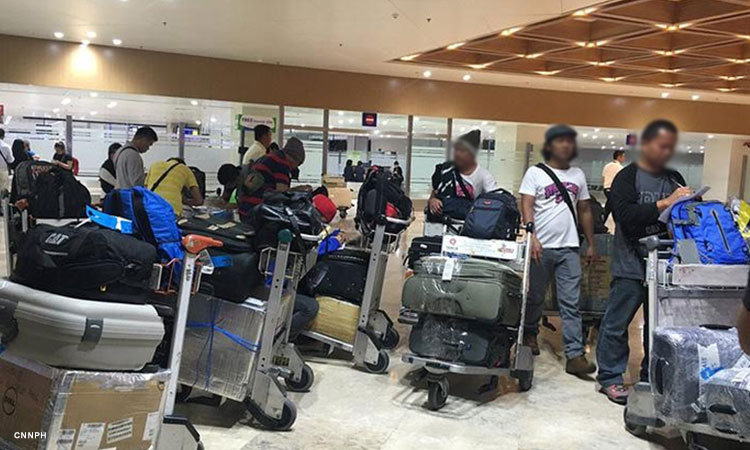
A number of repatriation flights and ships brought back hundreds of distressed OFWs to Manila. Protocol requires them to be isolated for 14 days or be tested for the disease before they are allowed to travel to their hometowns and reunite with their families.
Chua said those sent home will likely find jobs in the country after the crisis is over.
“I don’t know the profile of these OFWs, but I know that unemployment and underemployment in this country has gone down to record lows, suggesting more and more opportunities available for them, in particular, in the construction sector where we actually have a shortage of qualified labor,” he said.
Remittances support consumer spending at home, which in turn contribute to overall growth. Filipinos overseas sent $30 billion in 2019, but analysts said that trend could be broken due to the coronavirus outbreak.
ING Bank senior economist Nicholas Antonio Mapa said last week that remittances will likely drop by 2.5 percent this year, which would also drive the economy further into a slump.
“This diversity does not translate to any collapse. There will be temporary setbacks in certain occupations or countries that are hardest hit, but they are continuing to help.”