

Metro Manila (CNN Philippines, April 3) — As lawmakers cite ‘science’ for supporting a possible extension on the Luzon-wide quarantine, an expert from the medical field argued, it is too soon to tell.
Infectious diseases specialist Dr. Edsel Salvaña said the government would have to look at how things progress in the next few days before deciding if it should lift the movement restrictions over the country’s northern island.
“I think we need to see what happens this week before we can make a firmer decision about whether it needs to be lifted or not,” Salvaña told CNN Philippines Newsroom.
He explained that the public is currently seeing the early effects of the enhanced community quarantine. The Philippines tallied 3,076 cases of the coronavirus disease, with a daily record of hundreds, increasing each day. Salvana said the present rate of rising cases is looking good so far.
“The doubling time is now about every five days and that is I would say from a cautiously optimistic standpoint, because if you have an out-of-control epidemic, the doubling time is usually every three days and (if) it’s under control it’s about seven days,” the specialist explained.
He added that “This is just the early effect of the ECQ so if this trend continues, we might actually see it slowing down.”
However, Salvaña stressed he is against fully removing physical distancing practices.
“If there is a modification to kind of lighten it, we’ll still have to keep a lot of the things that keep us physically distant so probably still close the schools, probably still no mass gatherings,” he said.
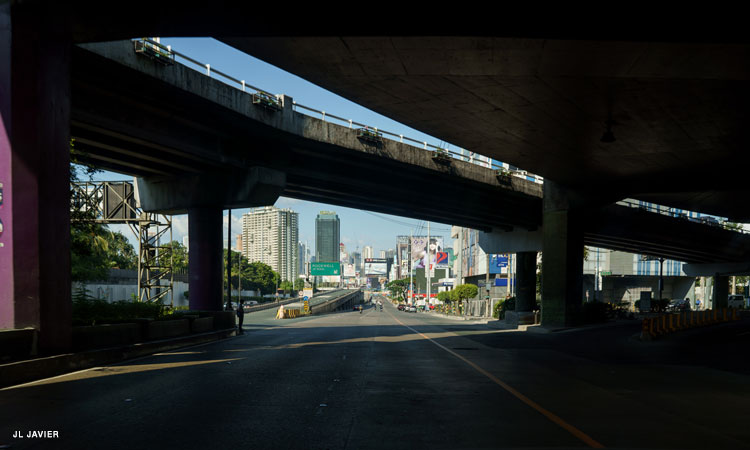
Several lawmakers have called on prolonging the quarantine which has suspended transportation, work and social gatherings until April 13, to contain the spread of COVID-19. Their suggestions ranged from extending it by two weeks up to another 30 days.
Expanded, not ‘mass’ testing
As for the government’s plan to conduct “mass testing”, Salvaña said it has to clear up the procedure first.
“I’m not sure what they mean by mass testing because when you say mass testing, you don’t actually mean you’re going to test every single person. No one can do that,” he asserted.
Salvaña said it makes more sense to widen the scope of testing to include those who came in contact with a person under investigation, than to target the entire population.
“I think what you mean by mass testing is that you have this thing where you’re testing people, increasing circles at risk so first of all the PUI himself and the people who were exposed to that person and then you can look at the larger community,” he said. “And that’s really been the thrust of testing. It’s just we don’t have enough tests.”
Health officials said mass testing is still under deliberation by the Inter-Agency Task Force on the Management of Emerging Diseases. However, the Health Department assured that testing capacity will significantly improve in the coming weeks, even rising to up to 8,000 tests per day hopefully by month’s end.