

Metro Manila (CNN Philippines, December 30) — The Philippines is expected to record a slower population growth rate of 1.31% by the end of 2021, the government said Wednesday, noting that Filipinos opting for smaller families may be causing the decline. But experts said the impact of the coronavirus pandemic may slightly alter demographic trends.
The country’s population is seen to hit 110,881,756 by the end of 2021, the Commission on Population and Development or POPCOM said, That is a projected 1.31% increase from 109,480,590 at the onset of 2020 — slower than the 1.68% growth rate in 2016, and 1.45% rise between 2019 and 2020.
“This is because Filipinos are choosing to have smaller families and fewer children. Therefore, fertility is slowly declining,” said POPCOM executive director Dr. Juan Antonio Perez III in a virtual briefing.
Perez, however, pointed out that the Philippines “still has one of the highest population growth rates in ASEAN,” in a bid to temper expectations that may cause complacency among stakeholders and policy-makers.
The country is still facing “lingering issues” related to climate change, migration and teenage pregnancies, Perez said.
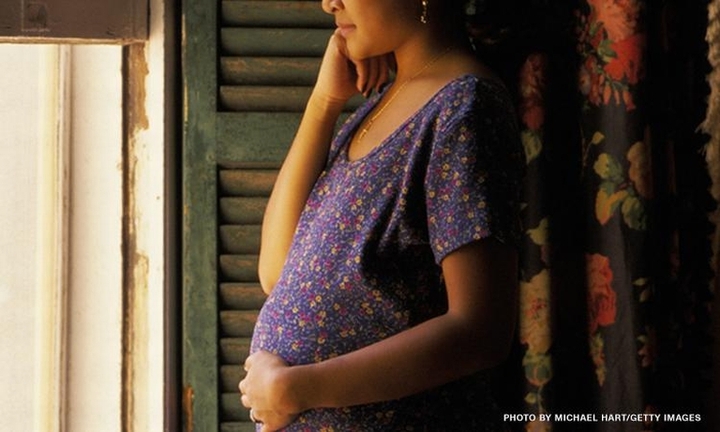
The long-term lockdowns and disrupted family planning services due to the pandemic may lead to a rise in unplanned pregnancies and cause the population “to swell at 111.1 million” next year, said Perez citing data from University of the Philippines Population Institute and the United Nations Population Fund.
Studies show “unintended pregnancies for (women of reproductive age 15 to 49 years old) is at 2,560,000— a surge of 751,000 due to community quarantine-induced family planning service reductions.”
“However, we think since the GCQ (general community quarantine) is not affecting the entire country, affecting (only) around 1/3 of the country, we believe the impact will be a third of that– about 250,000 might be added to our birthrate,” Perez said.
He added that healthy and safe pregnancies for Filipino women have still to be addressed.
“We also need to ensure that Filipinos’ aspirations on having two children on average are attained, amid service reductions in family planning due to the pandemic,” Perez said.
Also for the first time, POPCOM noted that the number of senior citizens in the country is projected to exceed 10 million next year, which will have a direct impact on “increased cost for their health care and vulnerability to COVID-19.”
“We also need to focus on the needs of this vulnerable part of the population,as it is also an often-neglected sector,” Perez said.
Among population groups, the most notable increase was observed in the working-age cluster or Filipinos between 15 to 64 years old. Their ranks will increase by just over 1 million from 2020 and will reach 71,278,520 by next year. They make up 64.15% of the entire population.
This implies the need for the country to create at least a half a million new jobs next year, posing a huge challenge for the labor sector in the midst of the pandemic, POPCOM said in a statement.