

Metro Manila (CNN Philippines, December 17) — The Bangko Sentral ng Pilipinas has decided to keep interest rates at an all-time low, hoping that lower borrowing costs will support a revival in economic activity.
The Monetary Board voted on Thursday to maintain the key interest rate at 2%, unchanged from last month’s surprise cut, still the lowest on record as the Philippine economy remains in recession due to the lockdowns imposed by the government in response to the COVID-19 pandemic.
Banks and other lending firms rely on the BSP’s rates as their benchmark in pricing loans, credit card, and deposit rates. The central bank cumulatively brought the key yield down by 2% so far this year.
The central bank’s decision came a week after the government announced that the economy retreated by another 11.5% in the third quarter, following the worst-ever 16.9% contraction from April-June.
The government expects a gradual rebound to growth by next year as stay-at-home policies have been relaxed, but has conceded that the economy will shrink by at least 8.5% this year.
Current quarantine rules now allow more people to head out to shop, dine, and travel, hoping to push the economy back to its pre-pandemic growth path.
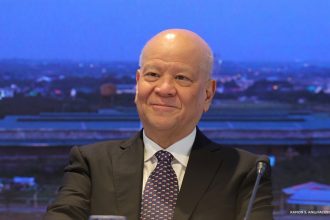
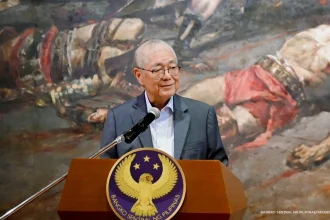
”The Monetary Board believes that an accommodative monetary policy stance, together with sustained fiscal initiatives to ensure public welfare, should quicken the economy’s transition toward a sustainable recovery,” BSP Governor Benjamin Diokno said during the Thursday briefing.
The yields for the overnight deposit and lending facilities also remained steady at 1.5% and 2.5%, respectively. This is the last rate-setting meeting this year, with the next meeting scheduled on Feb. 11, 2021.
There is also concern about global prospects. Diokno pointed out that the resurgence of infections abroad may again dampen global economic activity, which may be offset by optimism as other major economies start administering coronavirus vaccines to its people.
The Philippines has yet to secure vaccine doses from foreign drug manufacturers.
“On the domestic front, the Monetary Board also observed early indications of improved mobility and sentiment,” Diokno added. “While recent natural calamities could pose strong headwinds to growth, the further easing of quarantine measures should help facilitate the recovery of the economy in the coming months.”
Price spikes temporary
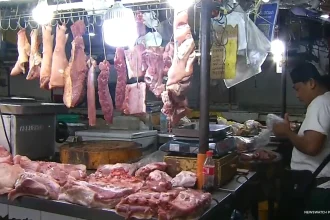
Inflation does not remain a grave concern for policy makers right now, with Diokno describing the sustained uptick in food prices as “transitory.” The cost of vegetables and meat items have been on the rise since November, mainly due to supply constraints following a series of typhoons that barreled through Luzon.
The inflation forecast for 2020 has been raised to 2.6% from 2.4% previously, while the 2021 print is estimated at 3.2%, also higher than the earlier 2.7% projection. Both still fall within the 2-4% target band of the central bank, although pulled up by rising global oil prices and food costs.
The BSP’s policy support –– pegged to be worth ₱1.9 trillion prior to this week’s rate cut –– will continue to be in place “until economic recovery comes underway,” said Deputy Governor Francisco Dakila, Jr., adding that any plans to unwind these stimulus measures will be done “very carefully.”
“While monetary policy can be most effective in the first phase of the crisis, government spending and structural measures have a much greater role in ensuring a sustainable recovery and restoring the potential output growth of the economy,” he also said.
While financial market confidence remains “fragile” with low borrowing availments, Dakila added that there is rising consumer and business optimism with vaccines on the way. The BSP’s policy support will stay until economic recovery is sustained.
However, market observers think the BSP is not done with its easing moves even if interest rates are now in negative territory, as inflation is above the 2% policy rate.
“We suspect the recovery in the quarters ahead will disappoint,” said Alex Holmes, Asia economist for Capital Economics.
“What’s more, the economic scars from the downturn, including business insolvencies, weaker household balance sheets and high unemployment, will weigh heavily on demand for many months to come,” he added. “A lack of fiscal support will continue to hold back the recovery.”
READ: Lacson says Duque ‘dropped the ball’ in Pfizer vaccine purchase
RELATED: BSP likely to keep rates low as impact of ₱1.9-T liquidity boost delayed