

Metro Manila (CNN Philippines, August 11) — Fitch Solutions has once again trimmed its growth projection for the Philippines this 2021 as economic output continues to be hampered by the COVID-19 pandemic.
The American research firm said in its recent commentary that it forecasts the Philippine economy will only grow by 4.2% this year down from its previous 5.3% expectation. The latest projection is much farther from the economic team’s revised 6-7% growth target band for 2021.
Fitch Solutions also noted that while economic activity surged by 11.8% from April to June, the 1.3% quarter-on-quarter dive reflected “underlying weaknesses” driven by restrictions to mobility during the period.
Key economic hub Metro Manila and neighboring provinces were under tighter quarantine measures in April, but eventually eased to general community quarantine with varying levels of restrictions by June.
“The economy will face continued disruptions from the COVID-19 pandemic give its slow pace of vaccinations and difficulties containing outbreaks,” Fitch Solutions said.
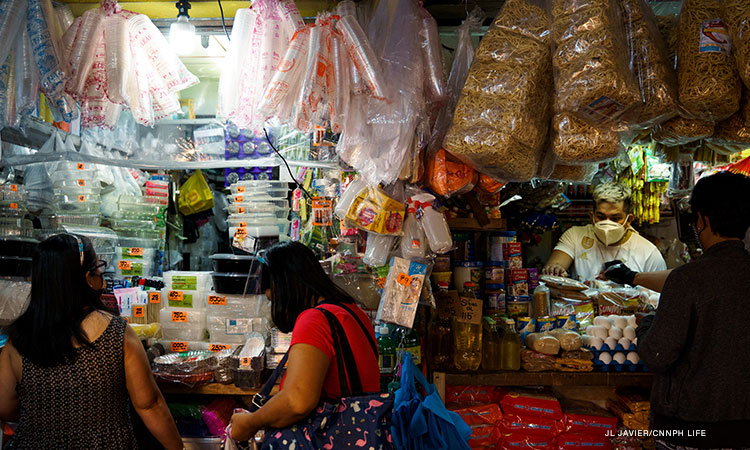
The research company also scaled down its household spending forecast for the year to 3.5% from 4%, citing weak retail activity even before the current two-week hard lockdown in the capital region began.
Consumer expenditure, a major driver of the national economy, fell by 7.9% in 2020 as quarantine restrictions and pandemic woes dampened business and consumer activity.
The research firm also scaled down its projection for public expenditure to 5% from 7%. It noted current lockdowns may not only hurt government revenues but also delay its spending plans, with budgeted expenses not utilized in full by the end of 2021.
Fitch Solutions joins other institutions who rolled back their growth projections for the Philippines this year such as ING Bank Manila, ANZ Research and Capital Economics that dialed down yesterday its forecast to 5% from 6%.
The Fitch unit likewise trimmed its 2022 growth forecast from 6.9% to 6.8%.
“We temper our outlook on two factors; firstly, we now expect fiscal support to be reigned in more aggressively once the economy is on a more sustained recovery path, so that the government can begin reducing its public debt load,” noted Fitch Solutions.
It also added that household consumption “could be tempered by deleveraging and weakened household balance sheets.”