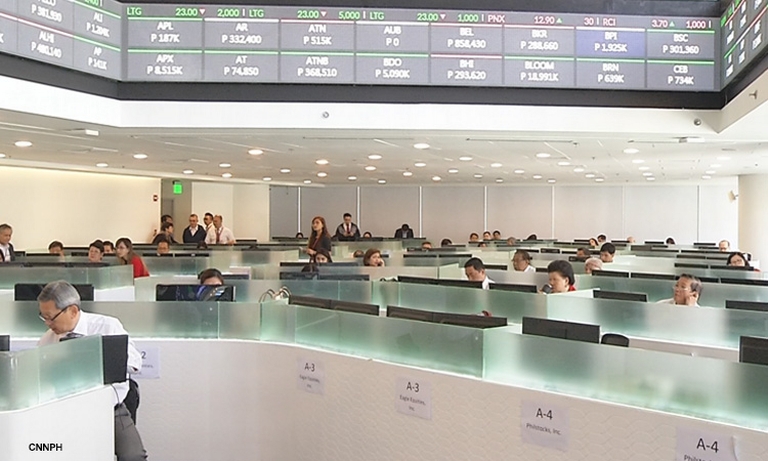


Metro Manila (CNN Philippines, July 2) – The Philippine Stock Exchange is tying up some loose ends in the wake of a multimillion-peso stock market scandal that involved at least two brokerage firms.
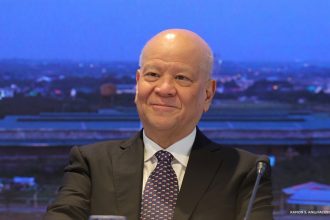
In a virtual press briefing on Friday, PSE President and CEO Ramon Monzon said he wants to prune the number of stock brokerages to boost internal controls by increasing the minimum capital requirement.
The PSE has yet to decide on the size, but there are 125 brokerage firms currently facilitating trades, while more sophisticated financial markets like Singapore has less than 30.
“There are too many brokers for such a small market,” Monzon told journalists.
The proposal is to more than triple the current minimum unimpaired capital level for existing trading participants from ₱30 million to ₱100 million.
“That’s to make sure a broker will have the sufficient resources to having a complete organization with strong internal controls,” the PSE official said.
The plan comes after regulators revoked the licenses of Ventures Securities and another brokerage firm – R&L Investment – after a rogue settlement clerk was found to have fraudulently transferred ₱700 million worth of shares from one brokerage to the other.
The stock exchange is also delisting dormant companies whose shares are not being actively traded. Being unable to fix the capital deficiency within three years or perennially have not been filing annual reports are among the grounds for delisting.
The local bourse has seen a revival in market confidence and capital-raising activities in the first half of the year, with companies raising a total of ₱122.5 billion in capital via initial public offerings or IPOs, stock rights offer and follow-on offerings in the six months ending June.
The target is to convince more companies to raise at least ₱219 billion collectively by yearend, matching the record-high capital raised during the late President Noynoy Aquino’s time.
“There’s a silver lining in every drought,” Monzon said.
“Because of the pandemic, I think debt financing – while very, very cheap – became very difficult because banks have to tighten their lending standards. Plus, because of the economic difficulties, a lot of companies have to borrow and I guess they were reaching their loan or credit limits. But their need for capital continues so they had to go to the capital or equities market.”