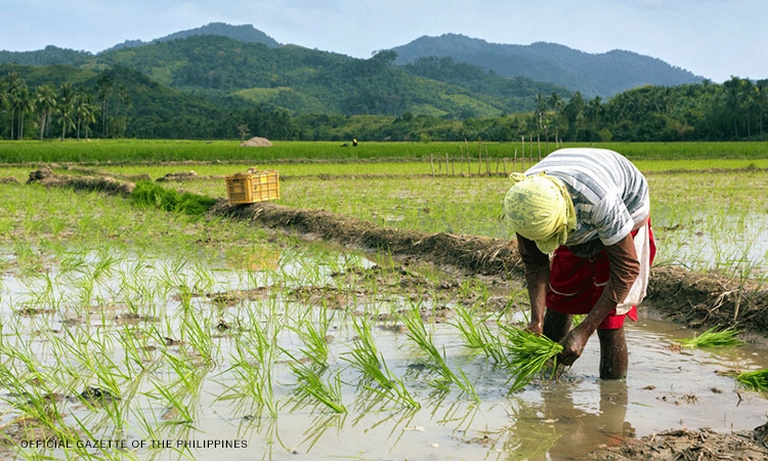


Metro Manila (CNN Philippines, May 20) — Presidential Spokesperson Harry Roque said Thursday lowering tariff rates on rice imports will not hurt Filipino producers as the importation will only happen after the local harvest season.
Roque, in a virtual briefing on Thursday, stressed the Executive Order No. 135 of President Rodrigo Duterte seeks to safeguard the stability of rice supply in the country amid a 10% shortfall against consumption.
“Ang kailangan lang naman na angkatin ay ‘yung kulang sa ating supply na 10%. Hindi i-import ‘yan sa panahon ng anihan dito sa Pilipinas para hindi makaapekto sa market price ng bigas, palay sa panahon ng harvest,” he said.
“Ang iniiwasan natin ay maapektuhan ang ating rice security kaya binaba natin nang bahagya [ang tariffs],” Roque added.
[Translation: We will only import to fill the 10% shortfall in our supply. We will not import during the harvest season here in the Philippines so as to not affect the market price of rice, paddy rice. What we are avoiding is that our rice security will be affected so we are lowering it slightly.]
Under the executive order, tariffs on imported rice were cut to 35% from the previous in-quota rate of 40% and out-quota rate of 50%. The lower tariffs will be applicable for a period of one year.
READ: Duterte lowers tariff rates on imported rice, modifies tariff on pork products
In a statement on May 15, Roque explained the tariff cut “took into consideration the increase in global rice prices, and the uncertainties surrounding the steady supply of rice in the country.”
Five senators, however, urged the President to scrap the executive order through Senate Resolution No. 726, arguing that local farmers would suffer in return.
This was filed by Senate Minority Leader Franklin Drilon, Senators Francis Pangilinan, Nancy Binay, Leila De Lima and Risa Hontiveros.
“There is no reasonable and sufficient basis to reduce the tariff rates on rice and it will only cause more burden to our local rice farmers, further increase our import dependency and cost the government millions in foregone revenues,” the resolution read.
The Department of Agriculture previously said the country is expected to import 1.69 million metric tons of rice this year.