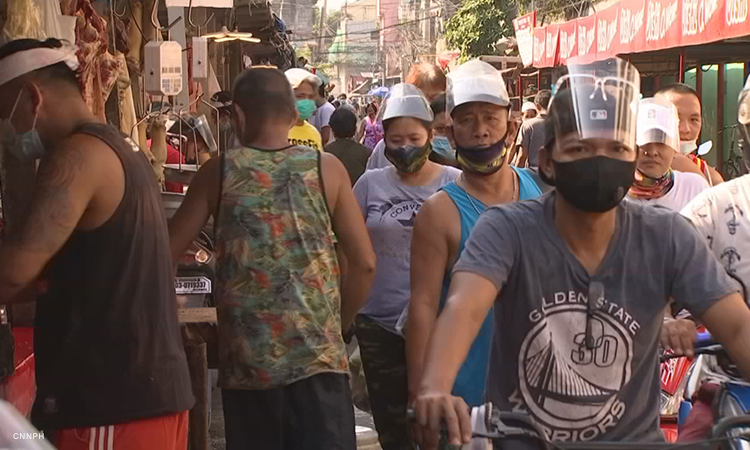


Metro Manila (CNN Philippines, March 9) — Fewer Filipinos practice social distancing to prevent COVID-19 transmission than they wear face masks, a recent survey by the OCTA Research group showed.
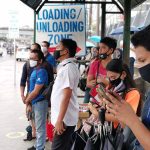
OCTA’s nationwide Tugon ng Masa poll, conducted from Jan. 26 to Feb. 1 and released on Tuesday, found that 91% of adult Filipinos use face masks, but only 67% observe physical distancing.
The World Health Organization recommends that people keep at least a meter-long distance from each other to reduce risk of infection when someone coughs, sneezes or speaks. It said an even greater distance should be maintained when one is spending time with others in indoor spaces. The Department of Health has also emphasized the need to wear masks properly, with both nose and mouth covered.
Some 90% of respondents, meanwhile, said they regularly clean their hands using soap and water, or alcohol, making it the second top health measure practiced in the country. The wearing of face shields followed at 82%, according to OCTA.
A lower 60% said they stay at home when it is not necessary to go out. Some 25% also avoid domestic travel, while 15% refrain from international trips.
Only 20% nationwide said they consult a doctor or a healthcare provider when they’re not feeling well. Notably, in Mindanao, a mere 10% said they seek medical assistance upon exhibiting symptoms.
In terms of frequency of compliance when leaving their homes, the group said 89% consistently wear face masks, while 68% always socially distance when engaging with others outside. Only 64% said they regularly wear face shields.
“The Department of Health prescribes that the minimum public health standards should be done together every day or regularly by Filipinos to ensure maximum protection against COVID-19,” OCTA noted.
The researchers interviewed 1,200 respondents aged 18 and above for the independent and non-commissioned survey. They said they utilized a sampling design that allows for a 95% confidence level with a ±3% margin of error.