

Metro Manila (CNN Philippines, March 5) — Prices of basic goods rose faster in February with food and transport costs leading the surge, the Philippine Statistics Authority said Friday.
Inflation stood at 4.7% for the month, faster than the 4.2% hike in January and 2.6% for the same period a year ago. National Statistician Claire Dennis Mapa said in a virtual briefing that February’s figure is the highest recorded since January 2019 wherein inflation stood at 4.4%.
ING Bank senior economist Nicholas Mapa noted how BSP Governor Benjamin Diokno allayed concerns about a possible key interest hike in the near term, given how the central bank emphasized the recent price increase’s supply-side nature.
“For the meantime, Diokno does appear confident that inflation will eventually tapper off in the second half of the year once direct supply side remedies to food supply shortages take root,” said the economist. “We expect BSP to remain sidelined for 2021 while inflation will likely remain elevated in the near term before gradually decelerating by the third quarter.”
Meanwhile, UnionBank chief economist Carlo Asuncion noted how prices will likely be seen “normalizing” with the rise of imports of pork and other meat products. A corresponding decline in costs, he noted, will also be observed with more supply becoming more available in markets.
The recent figure also brings 2021’s average inflation so far to 4.5%.
February’s inflation print is exactly the forecast of Bangko Sentral ng Pilipinas for the month, which is also within its 4.3% to 5.1% forecast range. The BSP attributed its projection to higher cost of fuel and fish. Inflation tracks the movement of prices of widely used goods such as food, electricity, water, and fuel.
The faster increase in prices of food and non-alcoholic beverages mainly drove the rapid pace, growing by 6.7%, said the PSA chief.
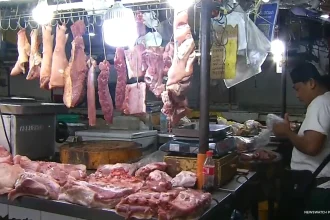
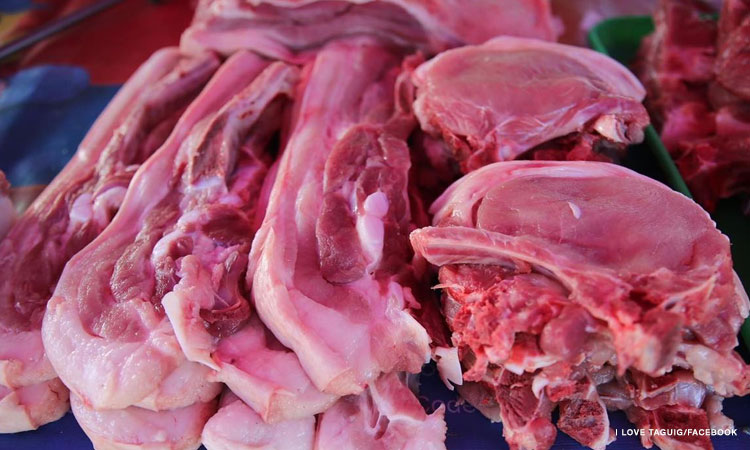
Meat products in particular logged the quickest rise in costs last month at 20.7%, up from the 17.1% figure recorded in January. The official noted that while pork prices went down in the National Capital Region due to the price cap on the said products, costs went up in areas outside the metro.
“Ang nakikita namin…yung [pork] supply siguro dahil galing siya sa areas outside the National Capital Region. And of course when the supply was reduced, ito ay nagkaroon din ng impact doon sa pagtaas ng presyo,” said Mapa of the more rapid growth in pork prices in areas outside Metro Manila.
[Translation: What we saw is it’s probably because of the pork supply, since [NCR’s] stock comes from areas outside the National Capital Region. And of course when the supply was reduced, this had an impact on rising prices.]
Apart from imposing a 60-day price ceiling on pork products, the government has also been sourcing pork from the Visayas and Mindanao to augment supply in the capital region. Pork supply in Metro Manila had been taking a hit as hog-producing provinces reel from African Swine Fever outbreaks.
Vegetables and fish likewise logged faster inflation rates this February at 16.7% and 5.1%, respectively.
Transport prices, which grew by 10.4% during the period, also pulled up inflation for the month as maximum capacities for public vehicles remain reduced in light of quarantine protocols. Fares for tricycles posted the fastest growth at 46.6%, followed by jeepneys at 6.3% and buses at 4.6%.
Costs of restaurant and miscellaneous goods and services likewise increased by 3.2% during the month, with prices of barbershop services, meals and personal hygiene items like rubbing alcohol and toothpaste driving the growth.
Meanwhile, NCR inflation slowed down in February to 4.1% from the 4.3% posted the month prior as food costs and prices of household equipment and maintenance along with restaurant goods and services grew slower.
Areas outside Metro Manila, on the flipside, saw prices of basic goods increase faster during the month. They logged an overall inflation rate of 4.8%, quicker than the 4.2% pace in January. Cagayan Valley posted the highest figure at 7.9%, while Central Visayas recorded the lowest at 1%.
Cagayan Valley, however, was the only region that saw month-on-month inflation decelerate in February as all other regions saw rates go up. It’s inflation rate was at 8% in January.
The country’s poorest households or bottom 30% income earners saw prices of basic commodities rise faster in February, with inflation going up to 5.5%. Similar to the national inflation figure, this is the most rapid rate recorded since January two years ago.
Prices of food and non-alcoholic beverages, transport, along with restaurant and miscellaneous goods and services mainly caused the quicker inflation for these households, said Mapa.
In a statement on Friday, the BSP reiterated February’s inflation print is “consistent” with its assessed transitory uptick for the first half of the year in light of weather-related disturbances, the effect of ASF on food costs and higher global oil prices.
The central bank further explained average inflation is eyed to rest within the 2-4% target range, with the projected upward trend “temporary.”
“The overall balance of risks to future inflation continues to lean toward the downside owing mainly to the continued uncertainty caused by the pandemic on domestic and global economic activity,” said the BSP, noting upside risks could emerge from a possible early COVID-19 vaccine rollout nationwide.
The BSP assured the Monetary Board shall “consider carefully” recent developments in prices that could affect outlook for inflation aside from possible second round effects during its meeting on monetary policy this March 25.
“However, it should also be noted that our computation of annualized rates or momentum of prices, we see that the impact of the current supply shock on prices of basic goods may soon start to dissipate,” he said. “At this point, we may still see it rising, but at a slower pace, and will most likely start to dissipate in the near term.”
Palace: Govt is handling the rising inflation situation
In a statement on Saturday, Presidential Spokesperson Harry Roque said the government is “intensifying [its] efforts” to combat rising inflation.
Immediate interventions, he noted, include boosting meat supply in the local market by shipping hogs from the Visayas and Mindanao, as well as Luzon provinces that are free from the deadly African Swine Fever or ASF.
The government has also implemented a price ceiling on pork and chicken products in the capital region.
RELATED: Duterte orders 60-day price cap on pork, chicken products in Metro Manila
“Our economic managers see the upward inflation trend as temporary and concerned agencies in the Executive branch continue to check the prices of basic commodities while ensuring that prevailing rates are likewise fair to suppliers,” Roque said.