

Metro Manila (CNN Philippines, February 5) — The initial review of the controversial war on drugs—involving over 5,000 police operations—contained “not so flattering” findings against law enforcers, according to Justice Secretary Menardo Guevarra.
During the Laging Handa briefing, Guevarra said the Department of Justice selected certain areas with high number of deaths related to drug operations for its initial investigation.
The initial report, he reiterated, was submitted to President Rodrigo Duterte last December. “We made certain findings, not so flattering, against certain police enforcement officers involved in drug operations,” Guevarra said.
He added the DOJ gave a copy of the initial review to the Philippine National Police to comment on the findings.
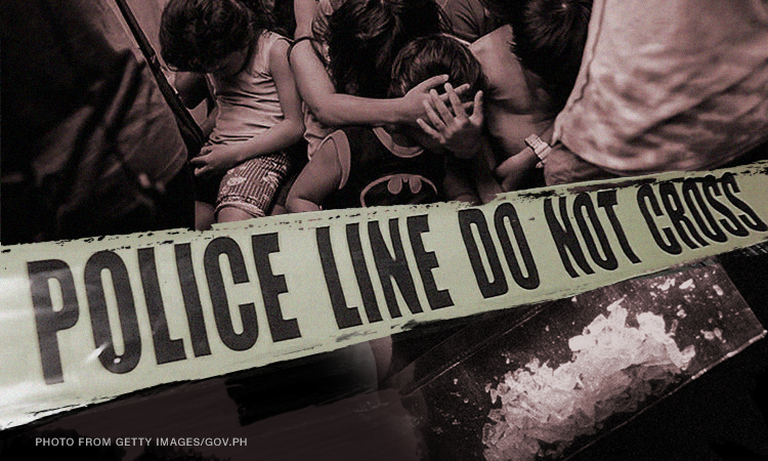
Data from the Philippine Drug Enforcement Agency showed the drug war death toll already hit the 6,000 mark as of December 2019. Since it started in 2016, when Duterte assumed the presidency, the anti-illegal drug campaign already detained 273,014 individuals.
The report will be shared with the public “in proper time” as the DOJ has yet to review operations in Visayas and Mindanao, Guevarra noted.
“We don’t want to make it appear [that the] initial findings in certain pilot areas like Regions 3 and 4 and in major cities are a true representative of what is happening,” he said.
Guevarra assured the public there was “no intention to hide” the report, adding the DOJ also targets to include actions it intends to take regarding the findings.
For the initial report on the drug war deaths, however, the Commission on Human Rights was not included.
CHR commissioner Karen Gomez-Dumpit earlier said this was an “unfulfilled promise” to Filipinos. “We have respectfully, diligently, consistently, and repeatedly asked the Department of Justice concerning the role of the Commission on Human Rights in the said panel.”
But Guevarra said the DOJ may still ask for the CHR’s participation in the full report of the panel.
“We intend to engage with the CHR in this endeavor. As I said, the initial report is only a partial one. Our efforts have been severely hampered by current restrictions on mobility and physical access to records. Much collaborative work remains to be done,” he earlier explained.