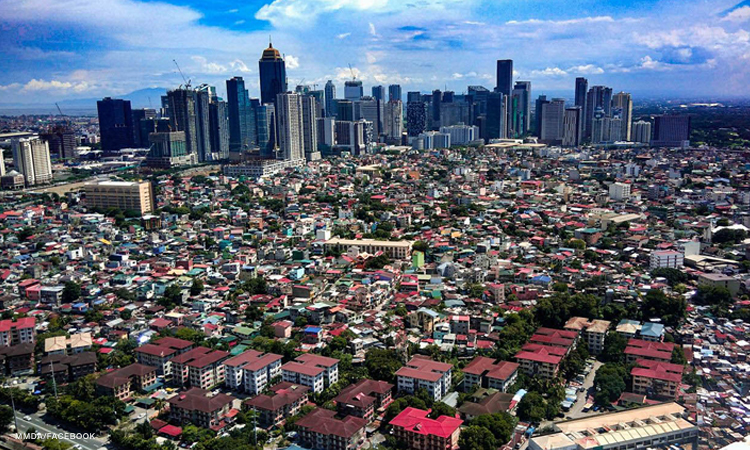


Meanwhile, based on the Department of Health assessment, all regions, including Metro Manila, remain under minimal risk for COVID-19. However, DOH also observed an upward trend in the case and positivity rates in 14 areas in Metro Manila, Health Undersecretary Maria Rosario Vergeire said in an online media briefing. But these have not yet translated to increases in hospital admissions so far, she said.
Metro Manila (CNN Philippines, December 27) — The risk level of Metro Manila’s COVID-19 situation was raised from “very low” to “low risk” due to an uptick in the infection pace or what is called reproduction number (R0), an independent monitoring group said Monday.
The region’s R0 doubled to 0.85 this week from 0.42 two weeks ago, OCTA fellow Guido David said. R0 refers to the average number of people that a single COVID-19 case will likely infect.
“Because of this, we have now reclassified NCR (National Capital Region) as low risk. It went up from very low risk to low risk,” David told The Source on Monday.
He added the R0 level “is something that we have to be mindful of.”
The data expert also said the positivity rate also doubled to 1.4 percent this week from 0.6 percent last week, indicating a rise in infections in the region. He added the increase may be brought about by parties and gatherings during the holiday season, he said.
Davis said OCTA is “not that concerned” over the uptick similar to last year.
“That is a possibility right now — that it would be a temporary uptick and by January, things would be back to normal once parties and the social gatherings cease or at least die down,” he said.
But OCTA is not ruling out the possibility that new cases will continue to soar in the next few weeks since a number of COVID-19 testing laboratories are closed either due to the holidays or the aftermath of Typhoon Odette, David said.
David also said it is possible the country could experience a case surge driven by the Omicron variant, adding that people should remain vigilant.