

Metro Manila (CNN Philippines, December 10) — The country’s trade deficit swelled anew in October as imports grew significantly faster than exports, data released by the Philippine Statistics Authority on Friday showed.
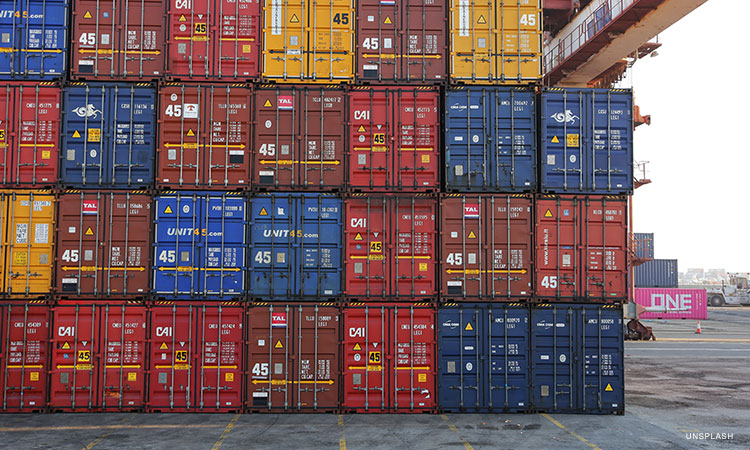
The deficit stood at $4.01 billion during the month, nearly doubling the $2.04 billion tally in September last year. Cumulatively, the gap between exports and imports stood at $33.21 billion – up 66% annually.
The latest figure is also the widest since the $4.27 billion level recorded in January 2019.
Export sales totaled to $6.41 billion in September, representing a meager 2% growth. Coconut oil led major commodity groups in posting annual increases at 76.9%, followed by cathodes of refined copper along with chemicals.
Values of metal components, other manufactured goods, and wiring sets logged losses during the period.
China emerged as the country’s top trading partner in exports – its value comprising $1.01 billion of the total. It was followed by the United States, Hong Kong, Japan, and Singapore.
Imports were valued at $10.42 billion during the month – expanding by 25.1%.
Save for telecommunication equipment and electrical machinery along with transport equipment, all major commodity groups recorded positive growth rates in September – with mineral fuels and lubricants taking the lead at 163.7%.
Beijing was also Manila’s biggest supplier of imported goods, with total shipments worth $2.08 billion.
Japan, Korea, Indonesia, and the US complete the list of the country’s top import trading partners.
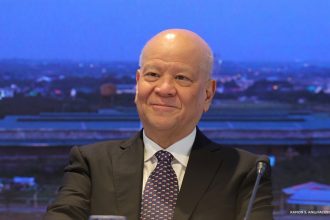
UnionBank chief economist Ruben Carlo Asuncion told CNN Philippines the economy’s reopening caused the trade deficit to widen even further in October.
Imports outpacing exports in terms of growth “reflects pre-pandemic Philippine trade performance structure where we see a consumer-driven economy over an export-oriented one,” he said.
Pre-pandemic levels of trade growth may resume this 2022 with the economy beginning to normalize and base effects further fading, Asuncion added.